







A shared-value ecosystem where people, place and planet thrive
A working harbour, a welcoming neighbourhood and a long-term commitment to doing business differently.
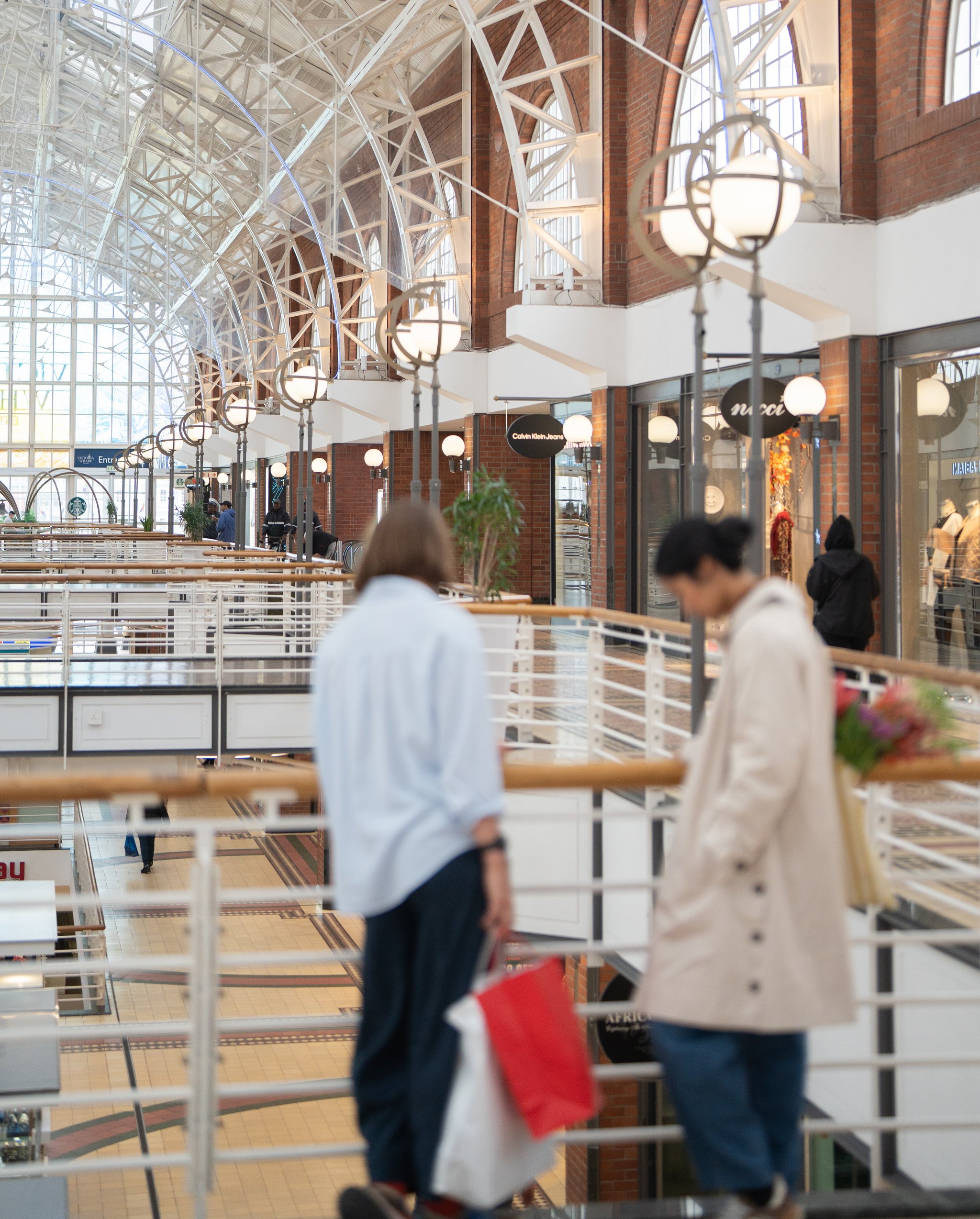
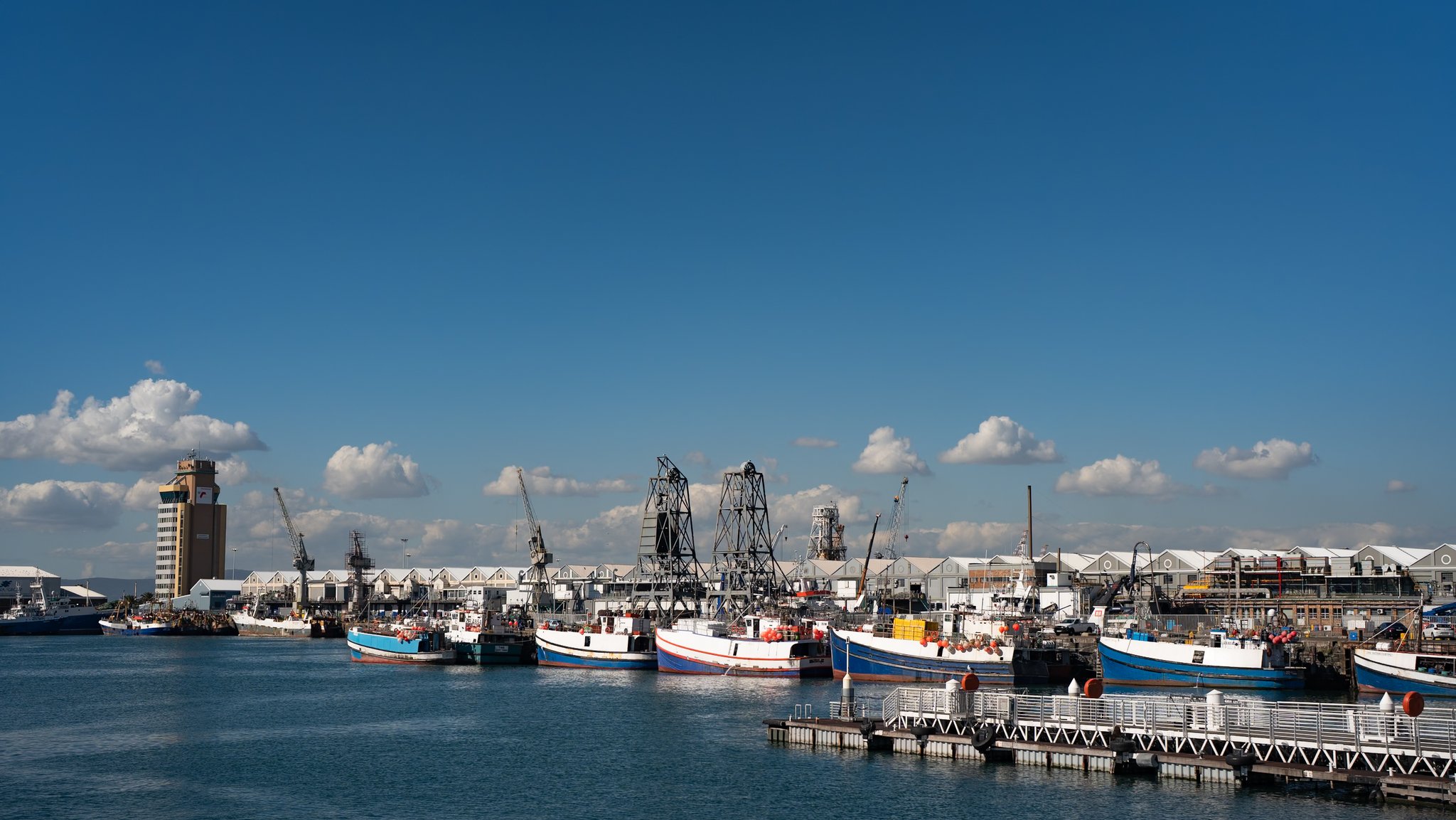
What began as a harbour in 1860 has grown into one of Africa’s most visited destinations. But the V&A Waterfront is more than a place to visit. It is a 123-hectare neighbourhood shaped by people who live, work, create and connect here every day, all alongside a working port.
Around 30 000 people live and work at the V&A Waterfront each day, and their presence helps shape how we build, who we invest in, what we protect, and how we define meaningful progress.
Our purpose, to collectively create the world’s most inspiring waterfront neighbourhood, comes to life in practical ways: through environmental stewardship, more inclusive economic participation, and pathways for people and enterprise to grow. From 30 green-rated buildings and a path to carbon neutrality by 2035, to an economic contribution of R45.9 billion since 2012 and support for 433 small businesses in the precinct, impact here is created through the way the neighbourhood works every day.
Turning purpose into everyday action
These initiatives offer a closer look at how shared value is created in practice, through partnerships, participation and long-term commitment. Together, they show how the neighbourhood creates opportunity, strengthens belonging and extends value beyond the precinct itself.




NeighbourFood
This is food support where it matters most. Working with restaurant partners across the precinct, the initiative helps prepare and distribute thousands of meals for communities across the city.

The Watershed
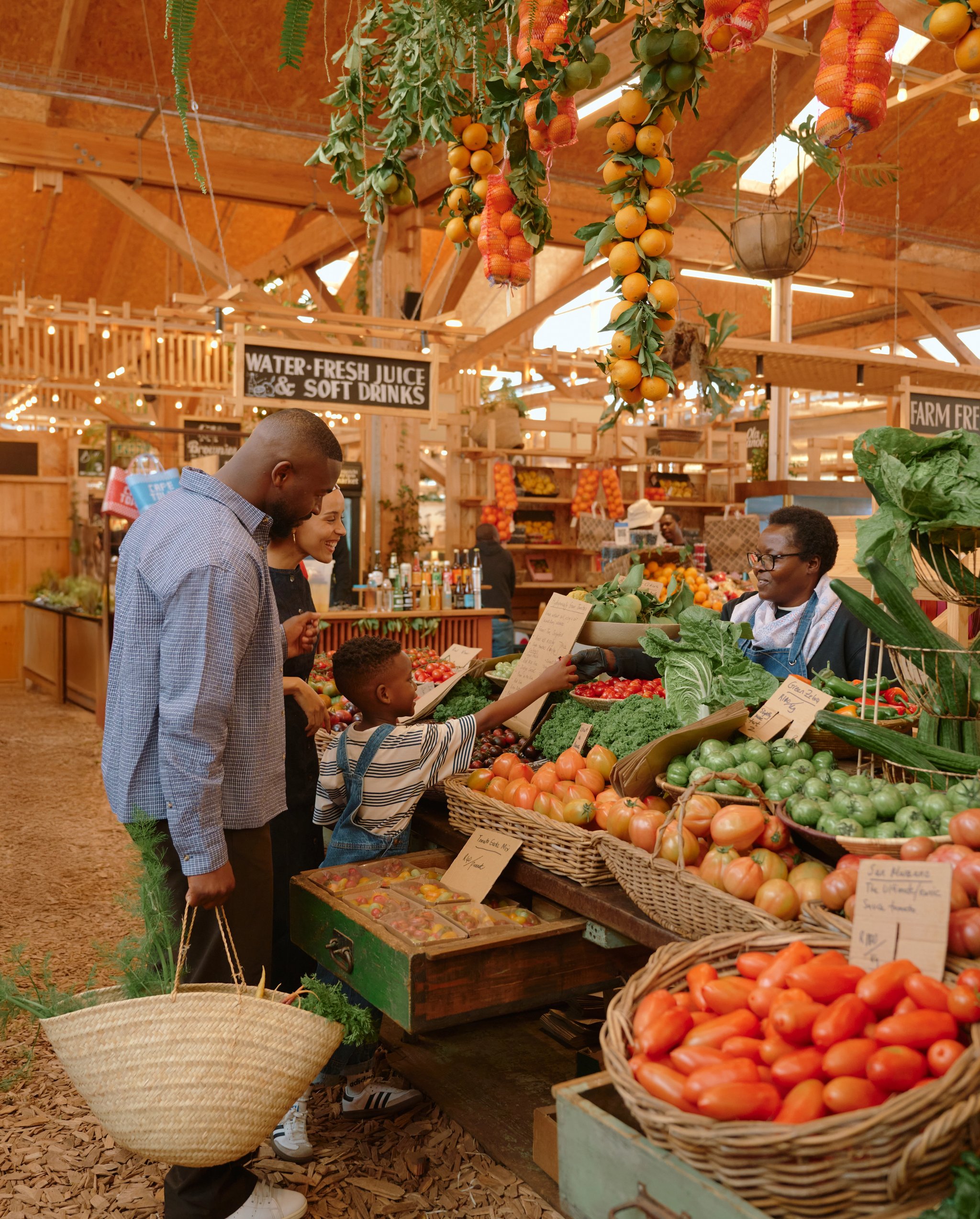
The Watershed brings together 150 independent makers and more than 365 local brands in a permanent home for African craft and design, where creativity, culture and livelihood meet.
The V&A Academy
The V&A Academy helps young South Africans build pathways into tourism, hospitality and retail, with 77% of graduates retained by their host businesses.
Makers Landing
Makers Landing gives food entrepreneurs the space, support and infrastructure to grow. It currently supports 24 businesses, has created 84 full-time jobs, and 70% of the businesses supported are black owned.
Joy from Africa to the World
Since 2019, Joy from Africa to the World has channelled festive-season spend into local artisans, designers and creative communities, helping create and sustain 155 jobs.
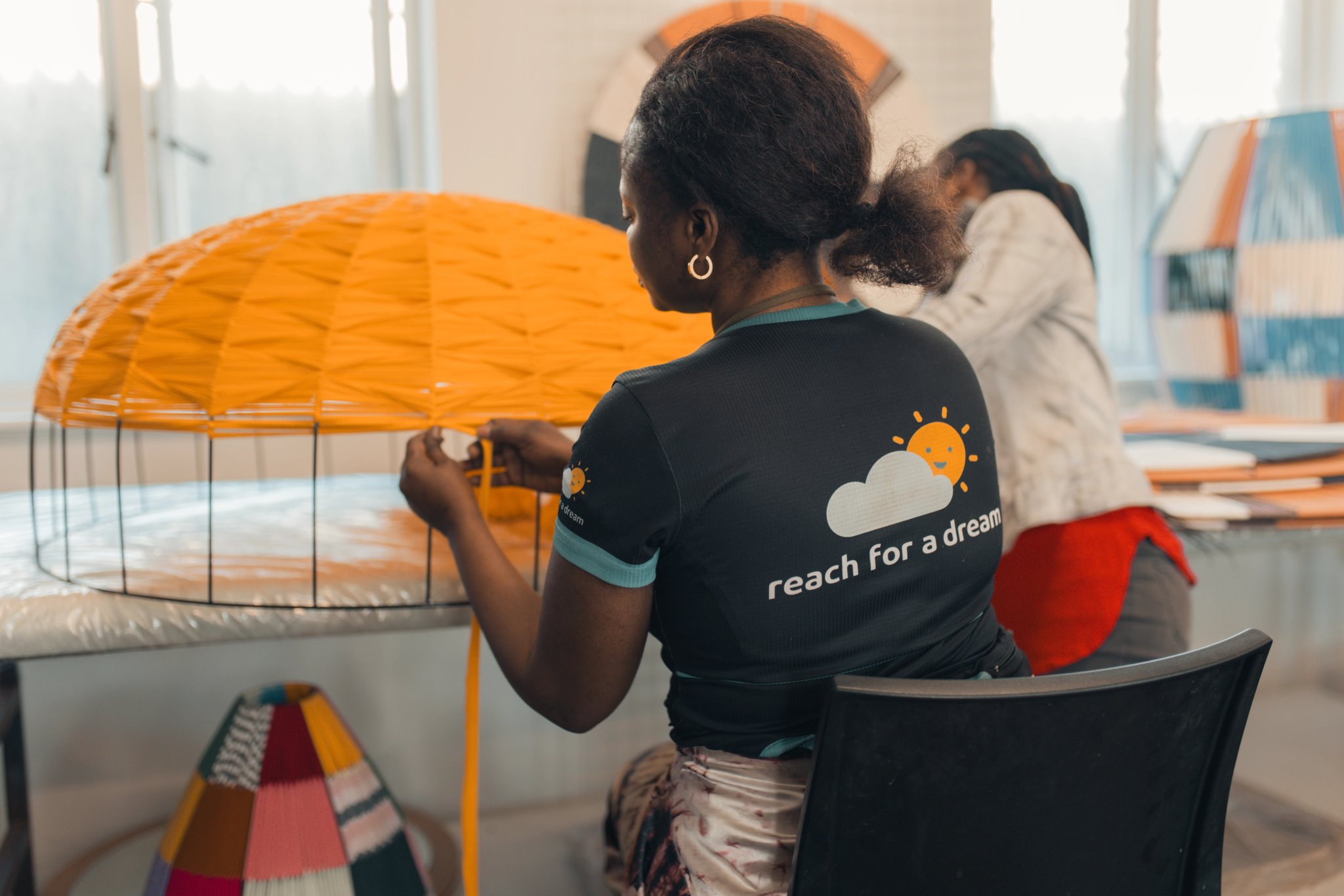
Circular Maker Space (CDI)
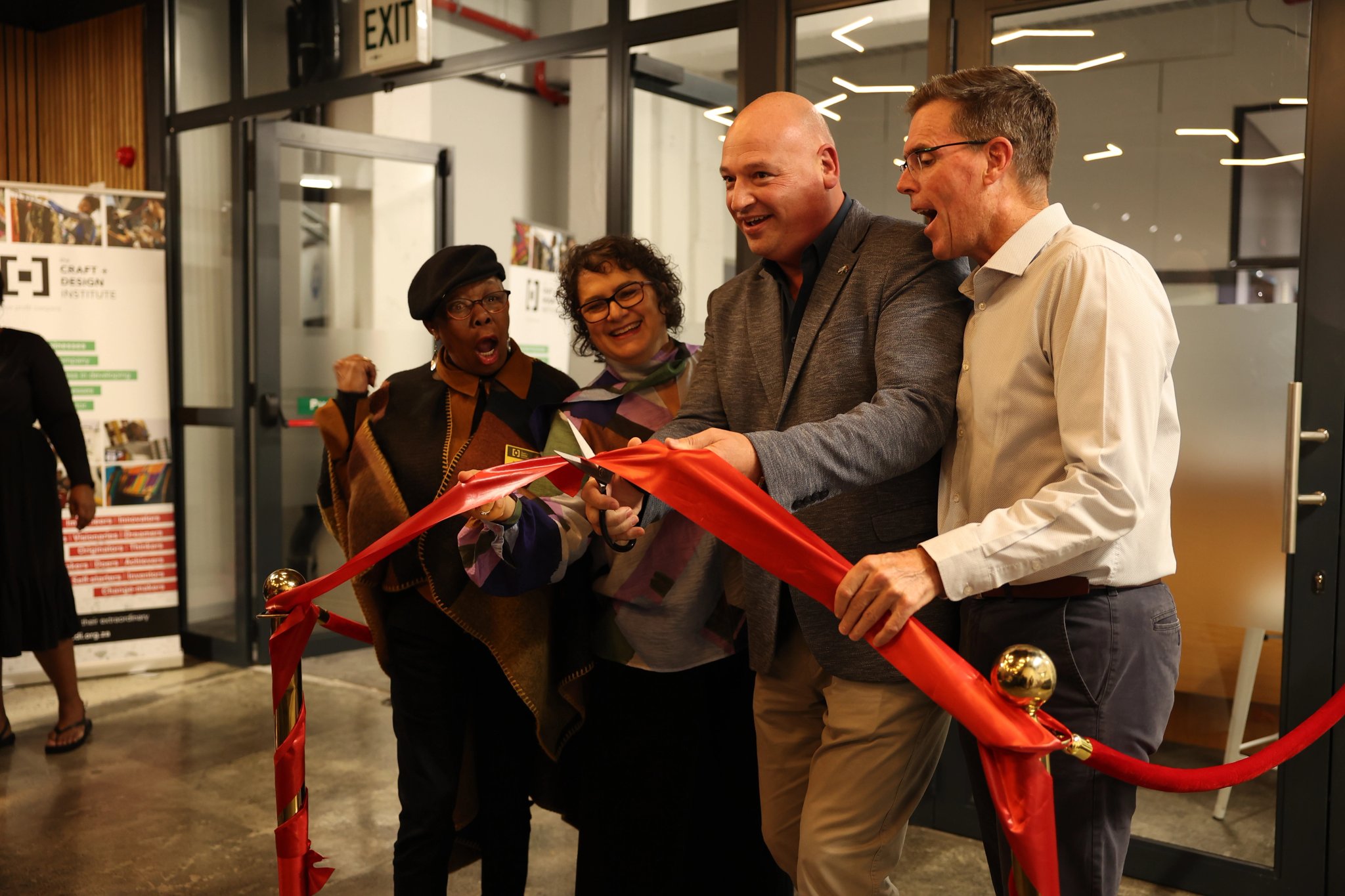
Launched in 2026, the Circular Makers Space creates space for small businesses, creative enterprise and more inclusive economic growth to thrive.
To collectively create the world's most inspiring waterfront neighbourhood.

Our Better Nature
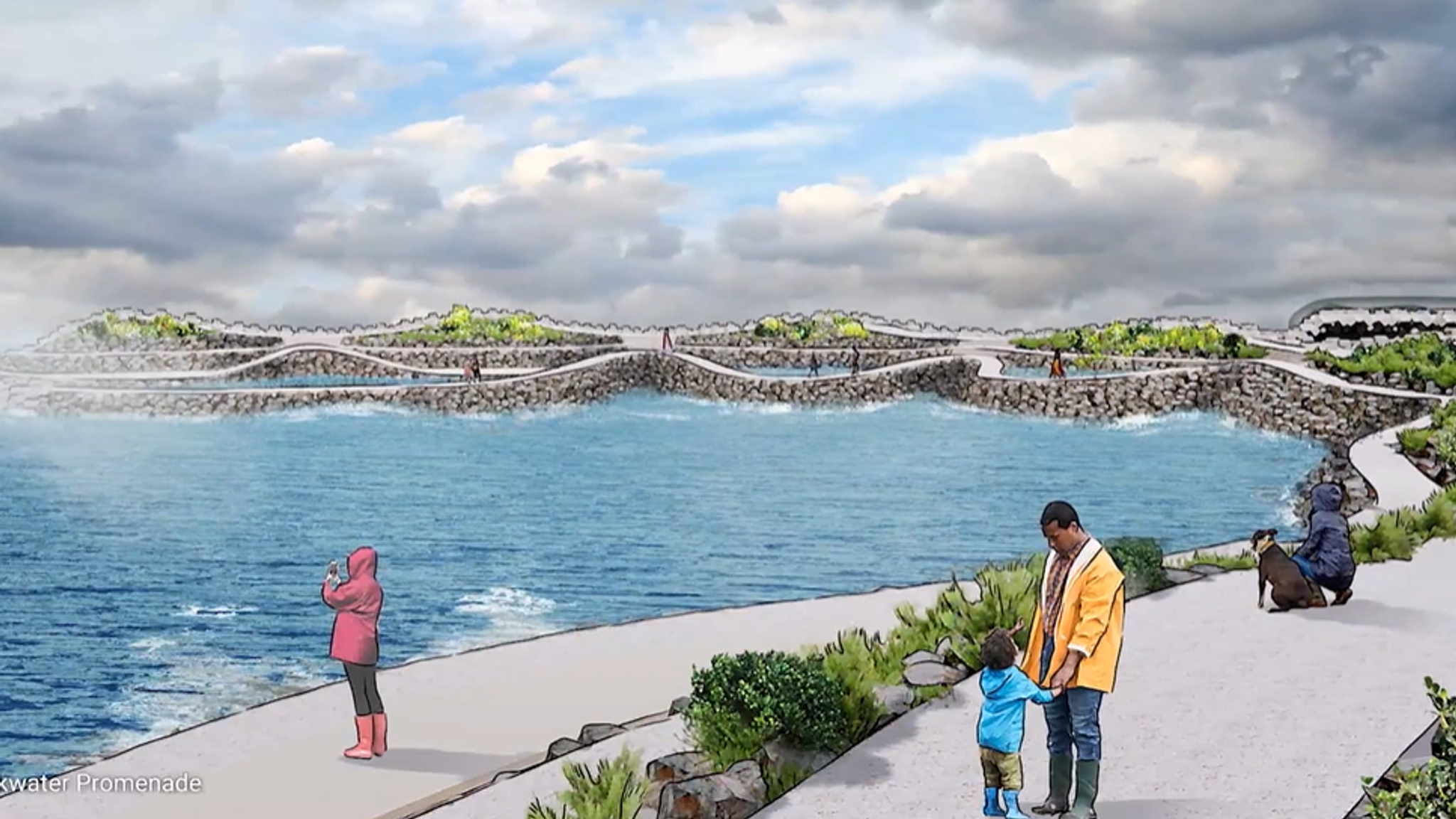
Set between a working harbour and the open ocean, the V&A Waterfront is part of a wider natural system, and what happens here matters beyond its boundaries.
Our Better Nature guides how we manage water, energy, waste, biodiversity and our portfolio of 30 green-rated buildings, embedding sustainability in how we design, build and operate.
With one of the greenest precincts in Africa and a commitment to carbon neutrality by 2035, this is long-term action in practice.
People at the centre
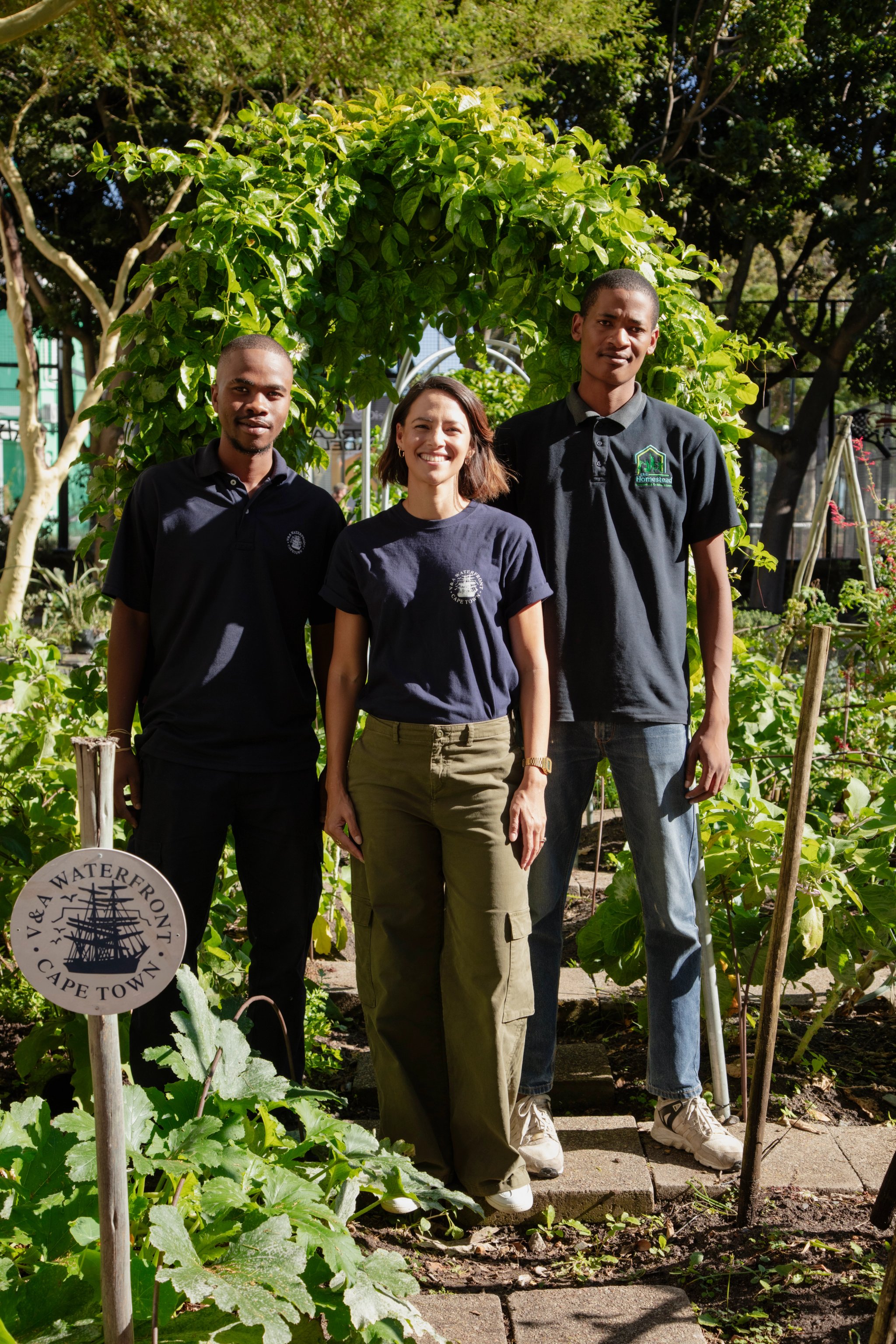
At the heart of this neighbourhood are the people who live, work, learn and build their futures here.
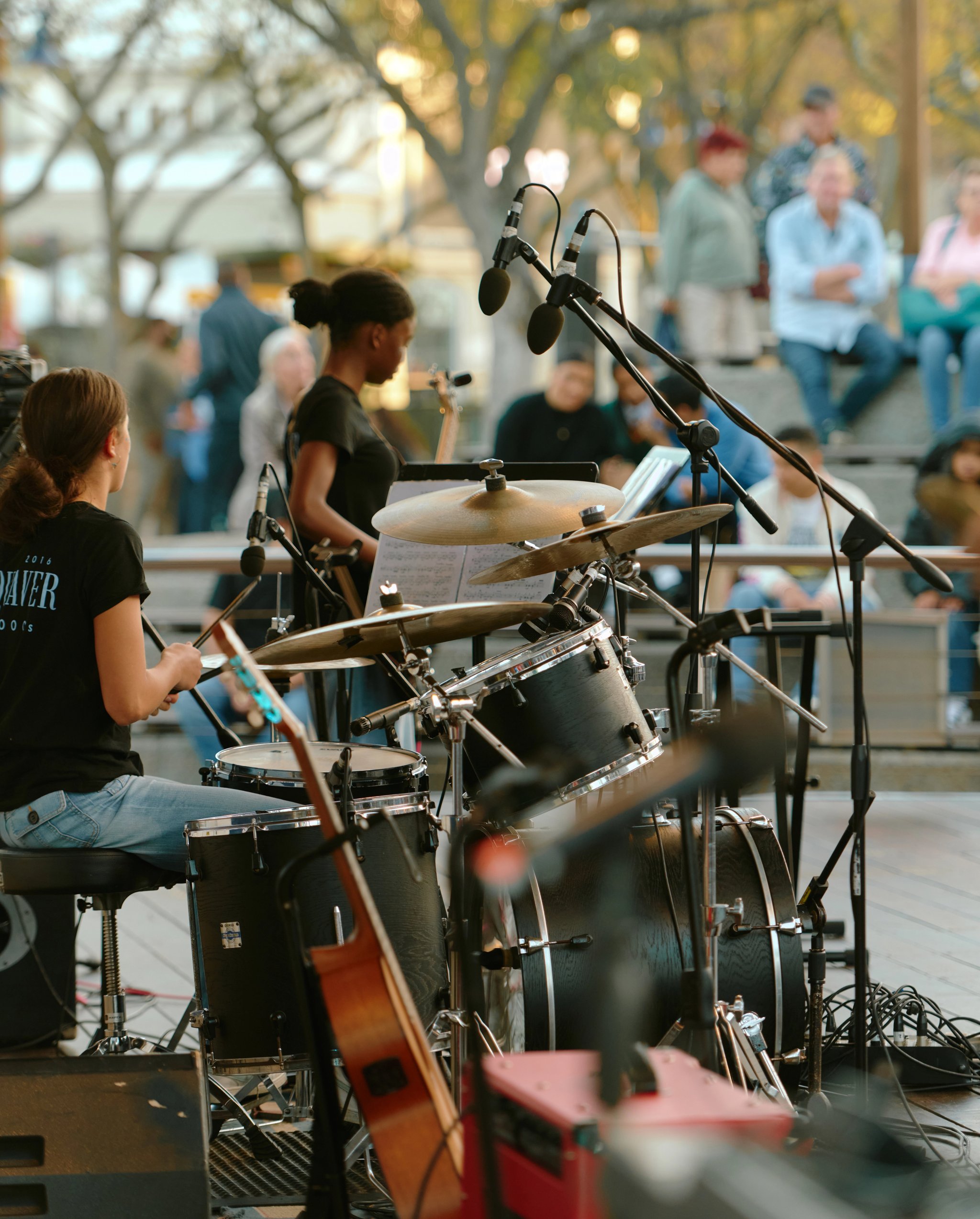
Through the V&A Academy, the Buskers Programme, Makers Landing, Watershed and a growing network of community partnerships, we help create conditions for people to earn, learn, grow and find a sense of belonging. This is where social impact is most visible: in participation, opportunity and the everyday experience of being part of a neighbourhood that invests in people.
Each year, V&A Waterfront CSI programmes directly and indirectly impact around 19 000 lives, alongside a broader ecosystem of programmes and partnerships that help widen access to work, entrepreneurship and long-term participation.
Growing a collective economy
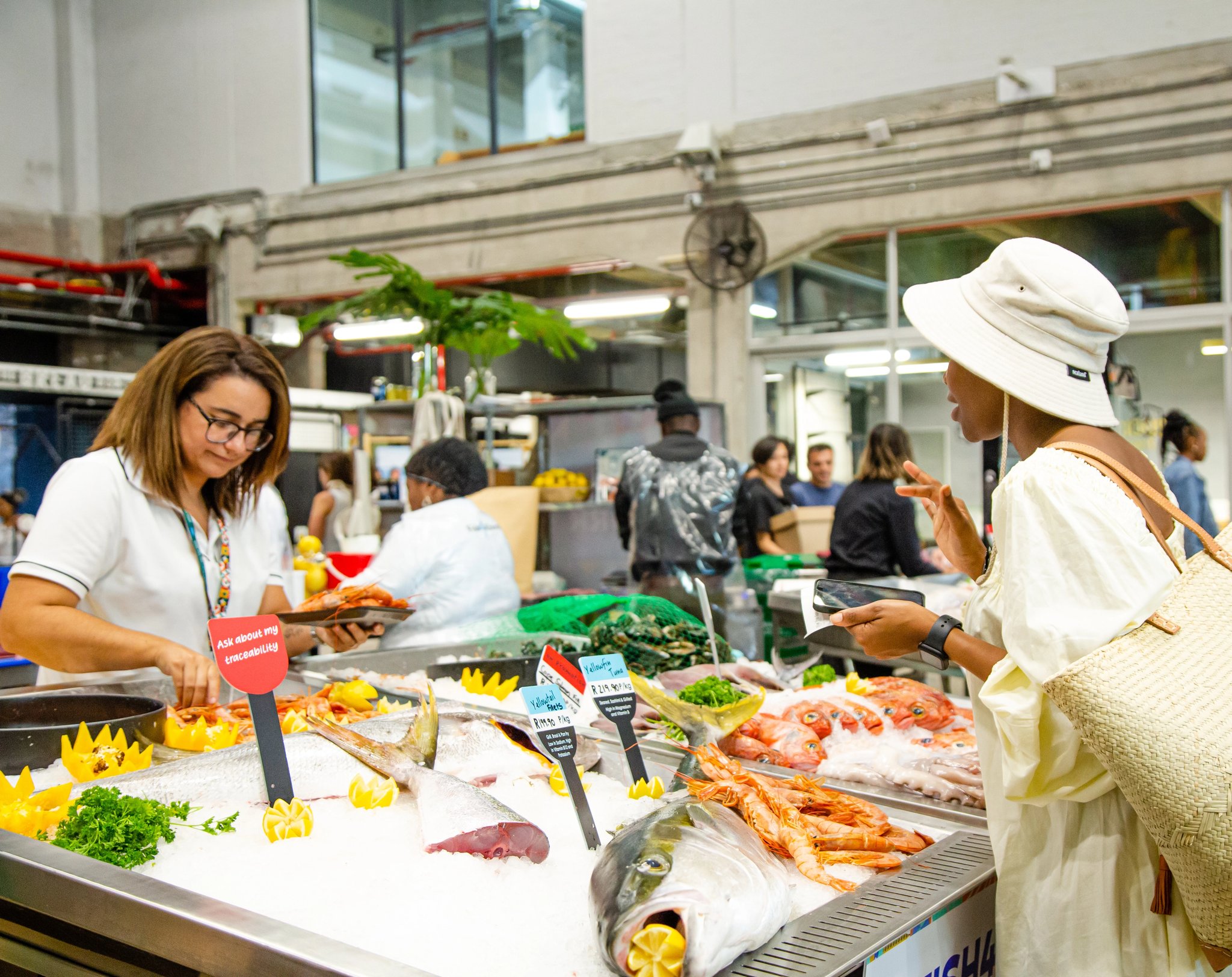
The V&A Waterfront brings many economies together in one place: a working harbour, retail, hospitality, offices, local design, food enterprise and more. This is where the scale of the neighbourhood’s contribution becomes visible, from an estimated R45.9 billion contribution to the economy in 2024, to around 30 000 direct jobs, 83 000 jobs in total, R18.6 billion in household income, and 433 small businesses supported across the precinct ecosystem.
SOLVEing for the future
This is a neighbourhood facing the same challenges as any other, including resource management, food security, job creation, environmental health and affordable housing. SOLVE exists because that position is an opportunity, not just a responsibility.
By bringing together businesses, NGOs, researchers, and government, SOLVE tests ideas, prototypes solutions, and generates solutions that go beyond the precinct’s 123 hectares.
How we measure, uphold and extend our impact.
Our commitments are not separate from the way the neighbourhood operates. They shape how progress is tracked, how standards are maintained, and how local action connects to broader environmental and social responsibility.
Environmental impact
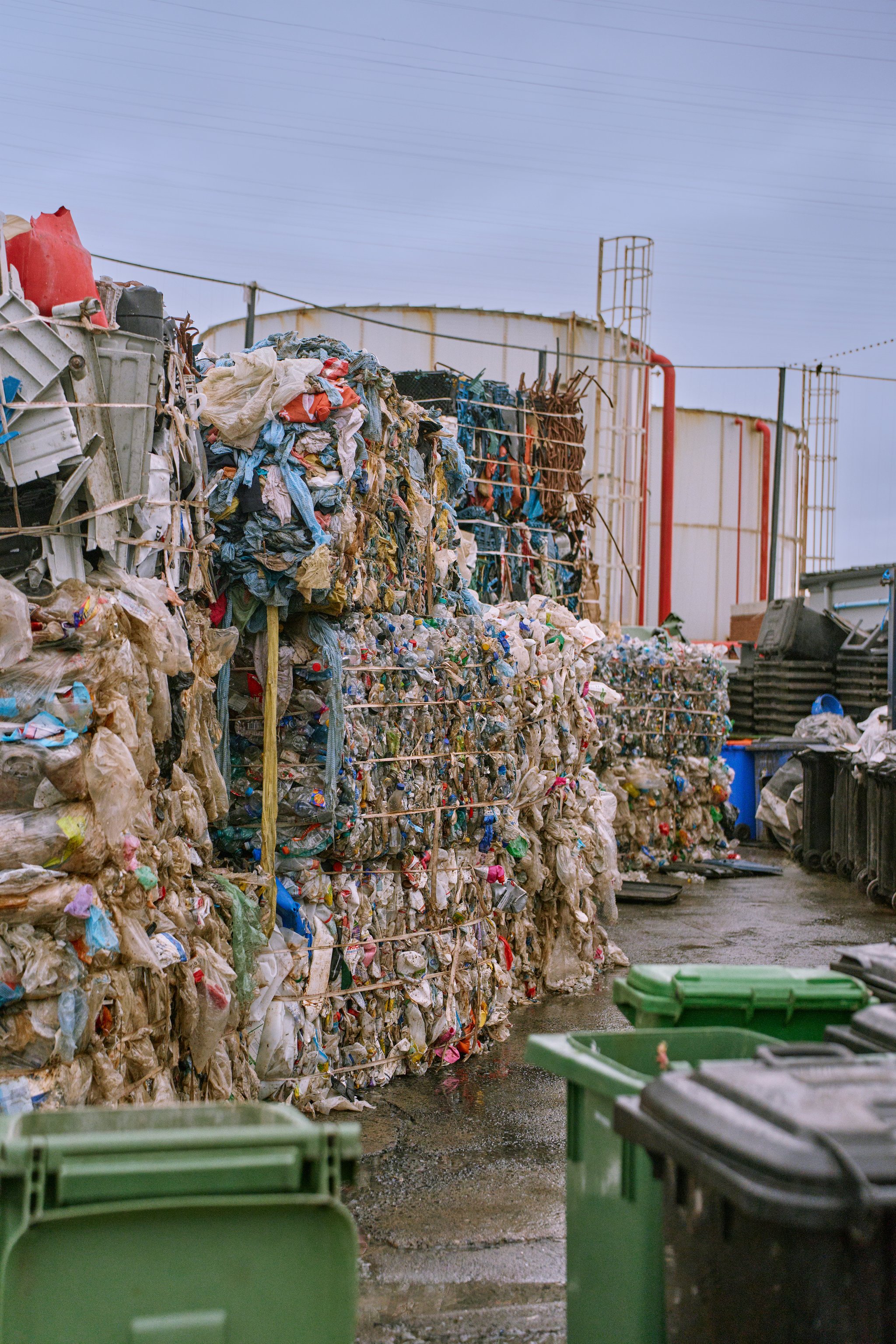
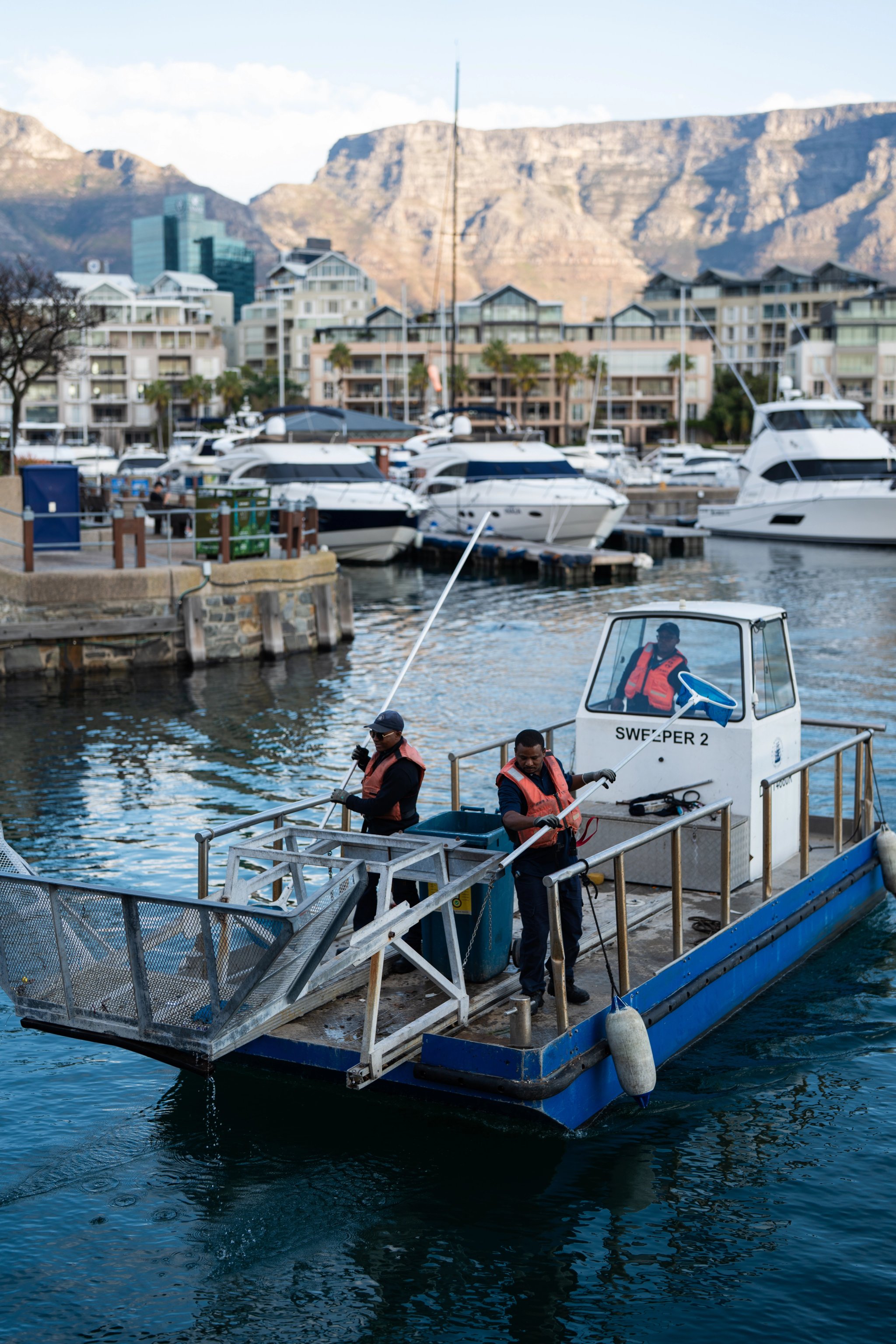
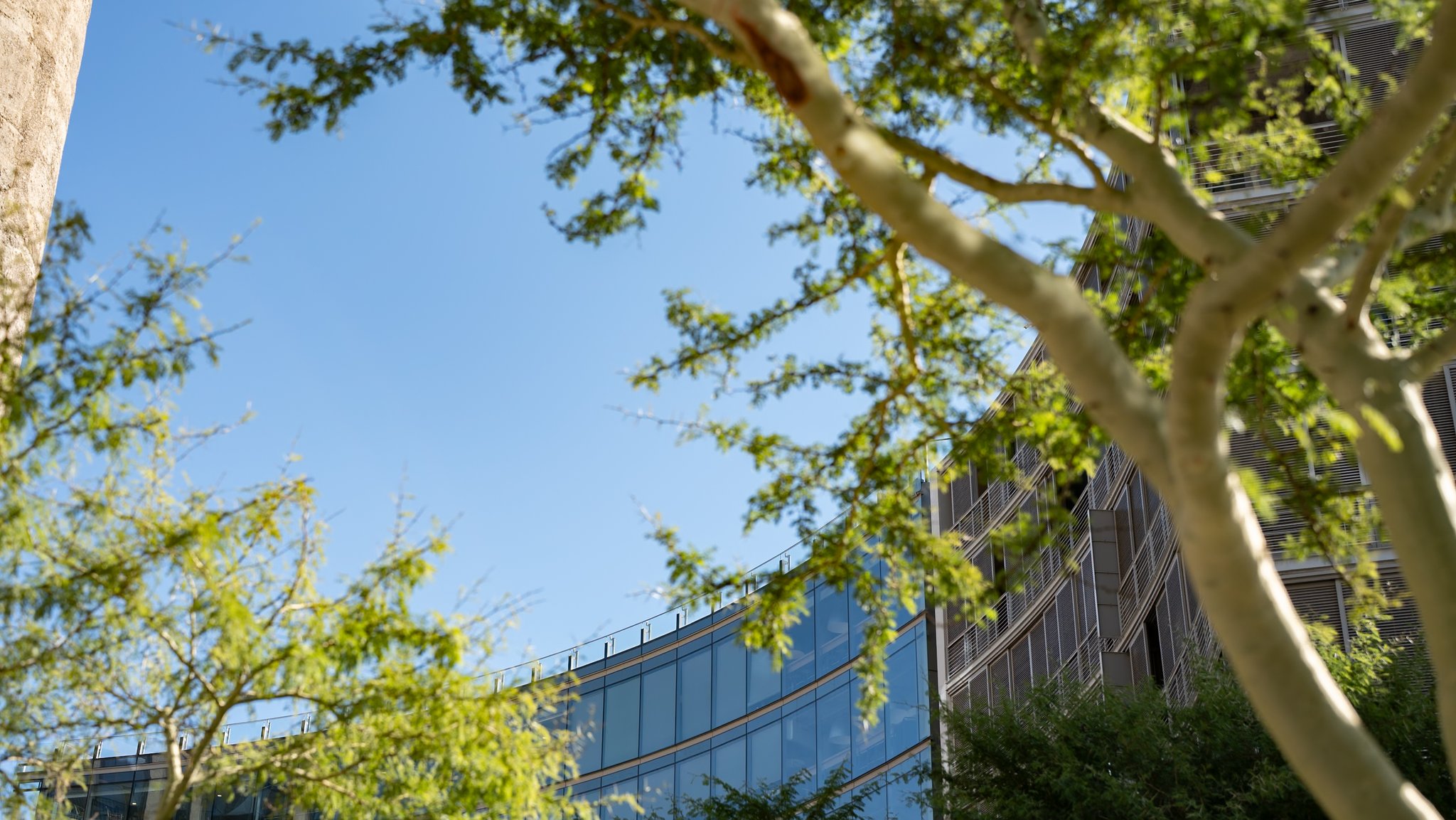
Since 2009, water use is down 56%, energy use 48% and GHG emissions 47%. In 2025, 70% of waste was diverted from landfill.
From blackwater treatment to waste recycling and seawater cooling, this is the result of a sustained, practical commitment.
Monitoring
Environmental targets are embedded in the business’s key performance indicators, alongside financial metrics, and are managed with the same level of rigour. An annual environmental audit of the Heritage Environmental Management System helps track performance and maintain accountability.
Local accountability
The V&A Waterfront operates within a living city, where its presence and decisions extend beyond the precinct. Operating as a public space, it is closely connected to surrounding communities, partners and the broader urban system.
This creates a responsibility to contribute positively through access, inclusion and long-term resilience.
Supply chain responsibility
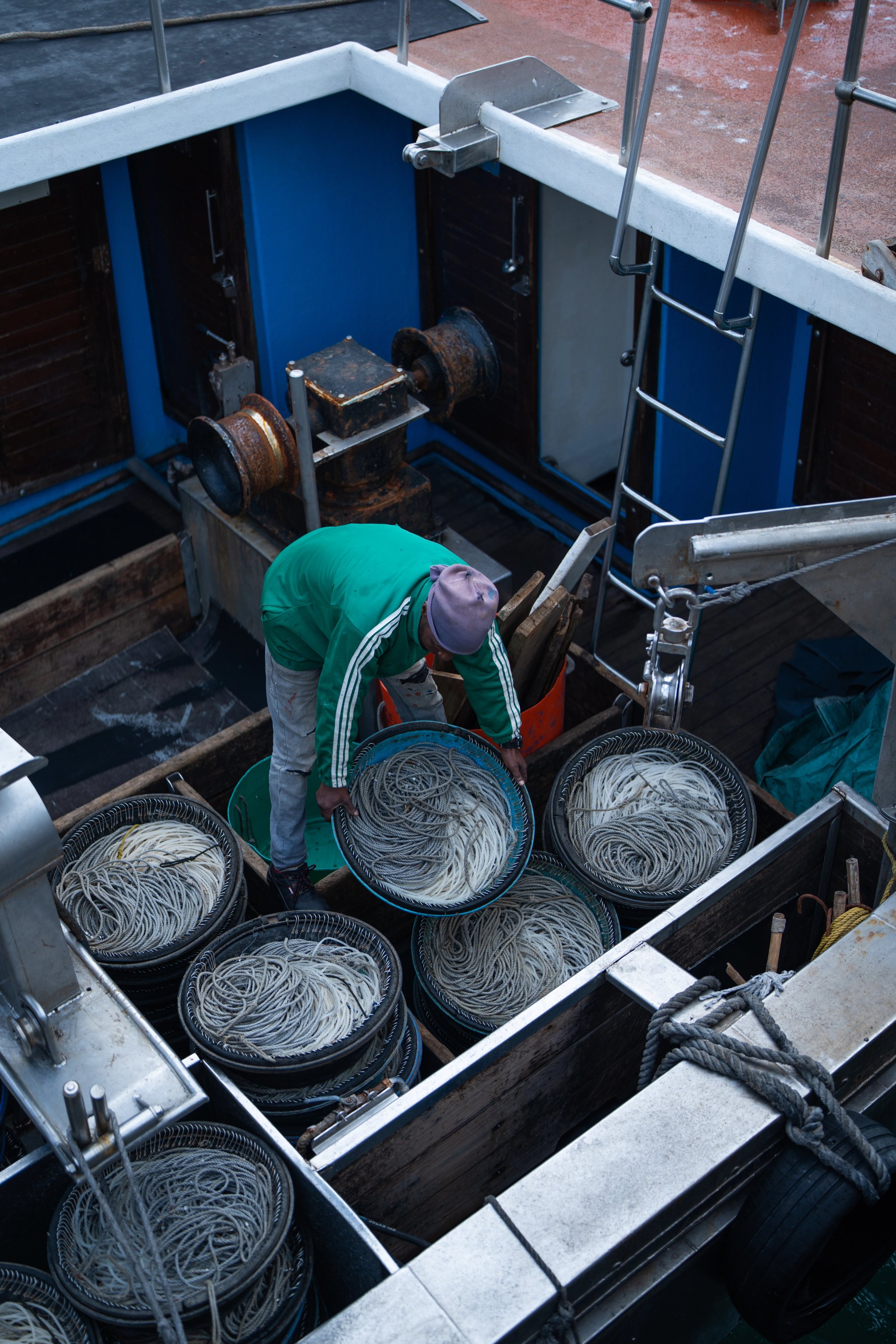
The fishing companies, food suppliers, contractors and vendors operating within the neighbourhood are encouraged to align with its environmental ambitions. Procurement prioritises local, independent and more sustainable producers, with continued work underway to reduce waste and address problematic plastics across the precinct.
Incident control
When something goes wrong environmentally, the response is fast, documented and used to do better next time. Incident control here is not crisis management. It is an operational discipline built into how the neighbourhood runs every day.
Maintaining standards
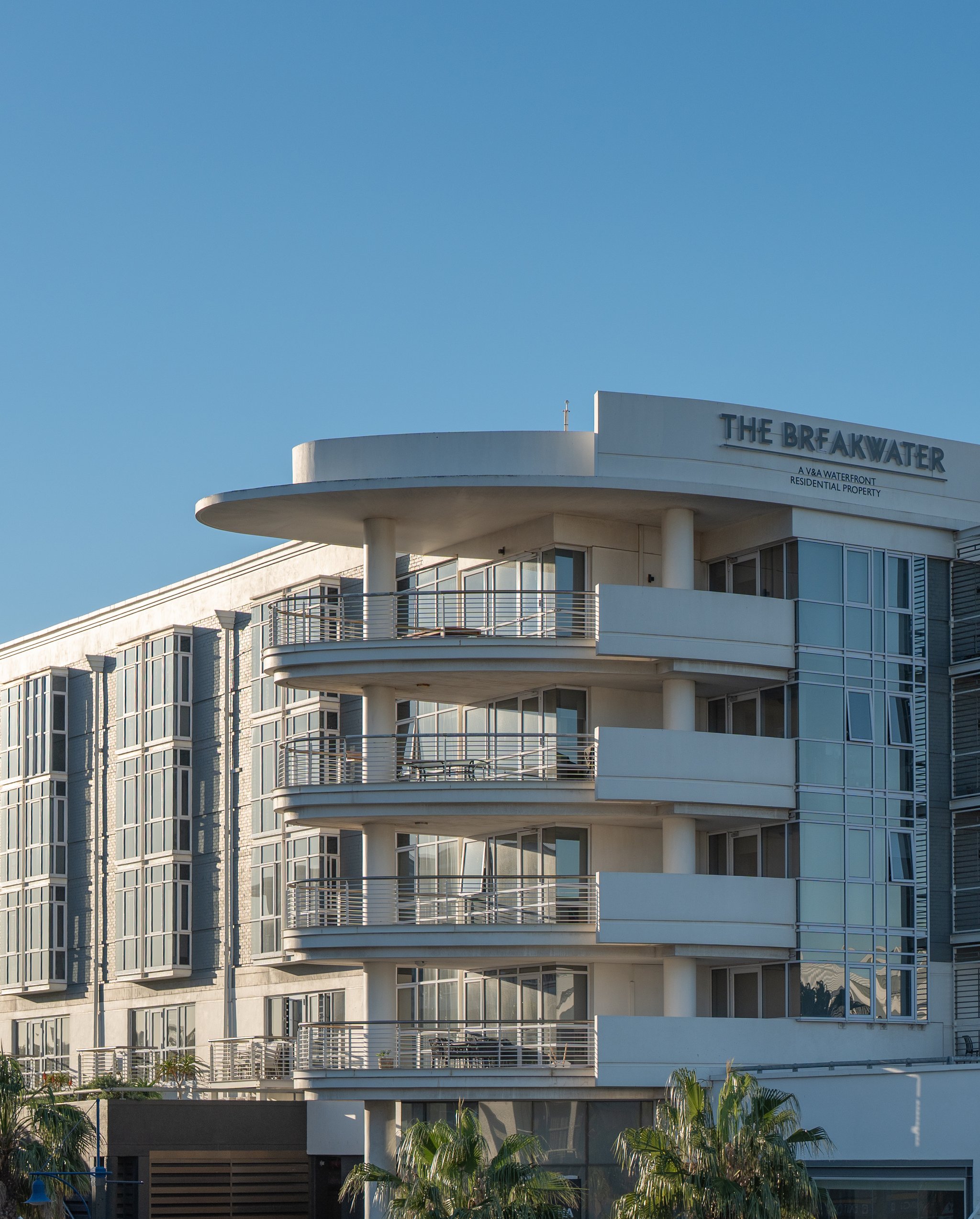
30 Green-rated buildings set the benchmark, with future developments shaped by net-zero principles, equitable access and resilience. These are the most visible markers of a standard embedded in how buildings are designed, tenants are onboarded, and employees understand their role in the neighbourhood.


