Things to Do
Weather & Waves: Choosing the Best Time to Travel to Cape Town
23 September 20264 Min read

From quick bites to leisurely meals, the V&A Waterfront offers something for every appetite. Grab a coffee between stops, settle in for a sunset dinner, or explore flavours from around the world.


A neighbourhood that’s yours to discover. From world-class museums and iconic attractions to harbour gems, there are memorable experiences around every corner. Whether it's your first visit or your daily fix, there's always a new reason to explore.

Expect the unexpected. From global brands to unique finds by local makers, there’s something for every shopper. This is world-class shopping with an African twist.


Our neighbourhood is the place to be! From seasonal events to top performances, there’s always something to look forward to. Find out what's on so you can plan your next memorable experience.


Hotels at the V&A Waterfront offer a unique experience inside a neighbourhood that has been alive for over 160 years.
From intimate boutique properties to five-star resorts, every hotel here sits within a working harbour, a creative economy, and a community where there’s always a reason to stay a little longer.
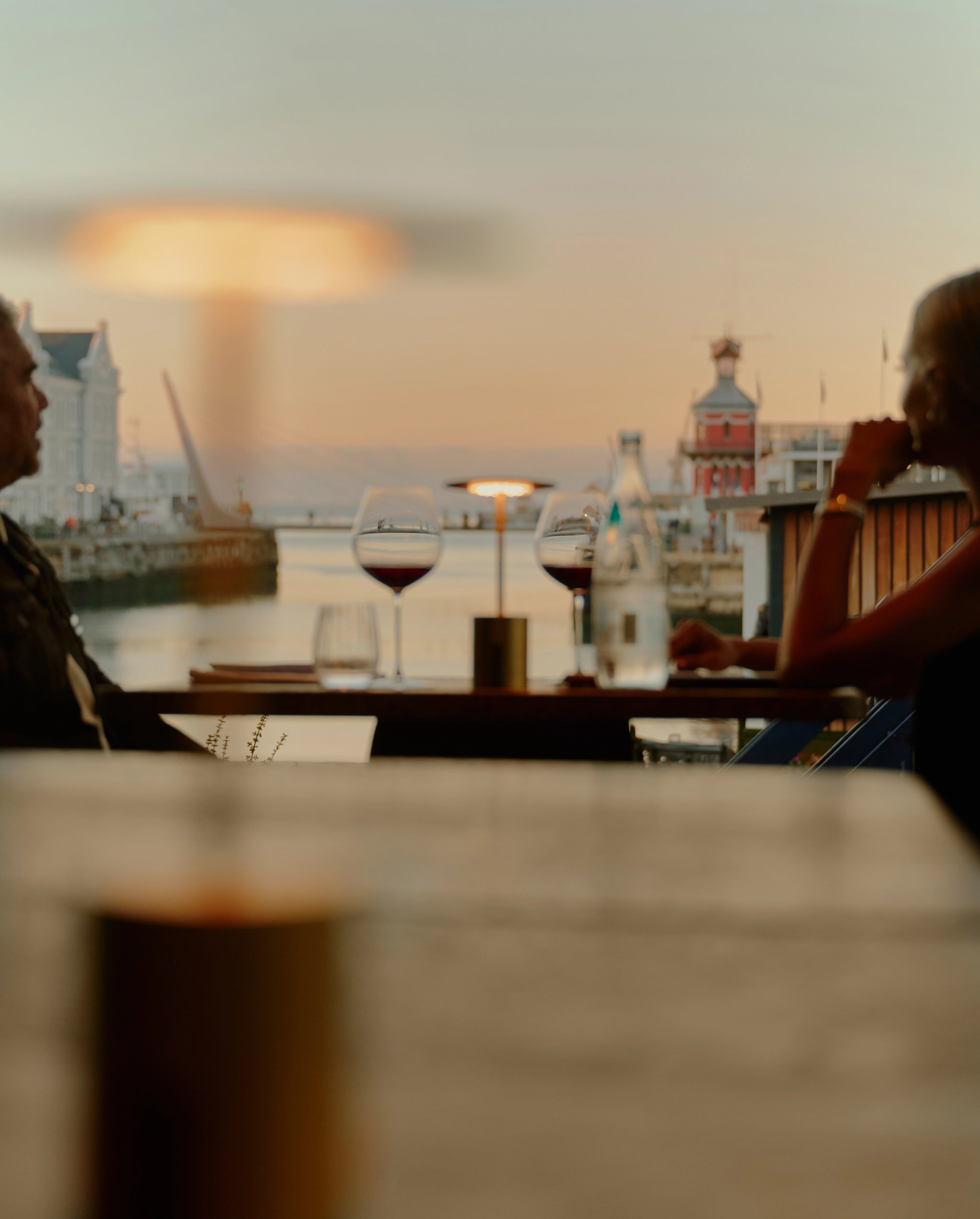
Wake up to the harbour and enjoy your favourite coffee spot as you experience the convenience of having everything within walking distance.
Living at the V&A Waterfront means living inside one of the most connected neighbourhoods in Africa, with everything that comes with it: security, convenience and a view that never gets old.

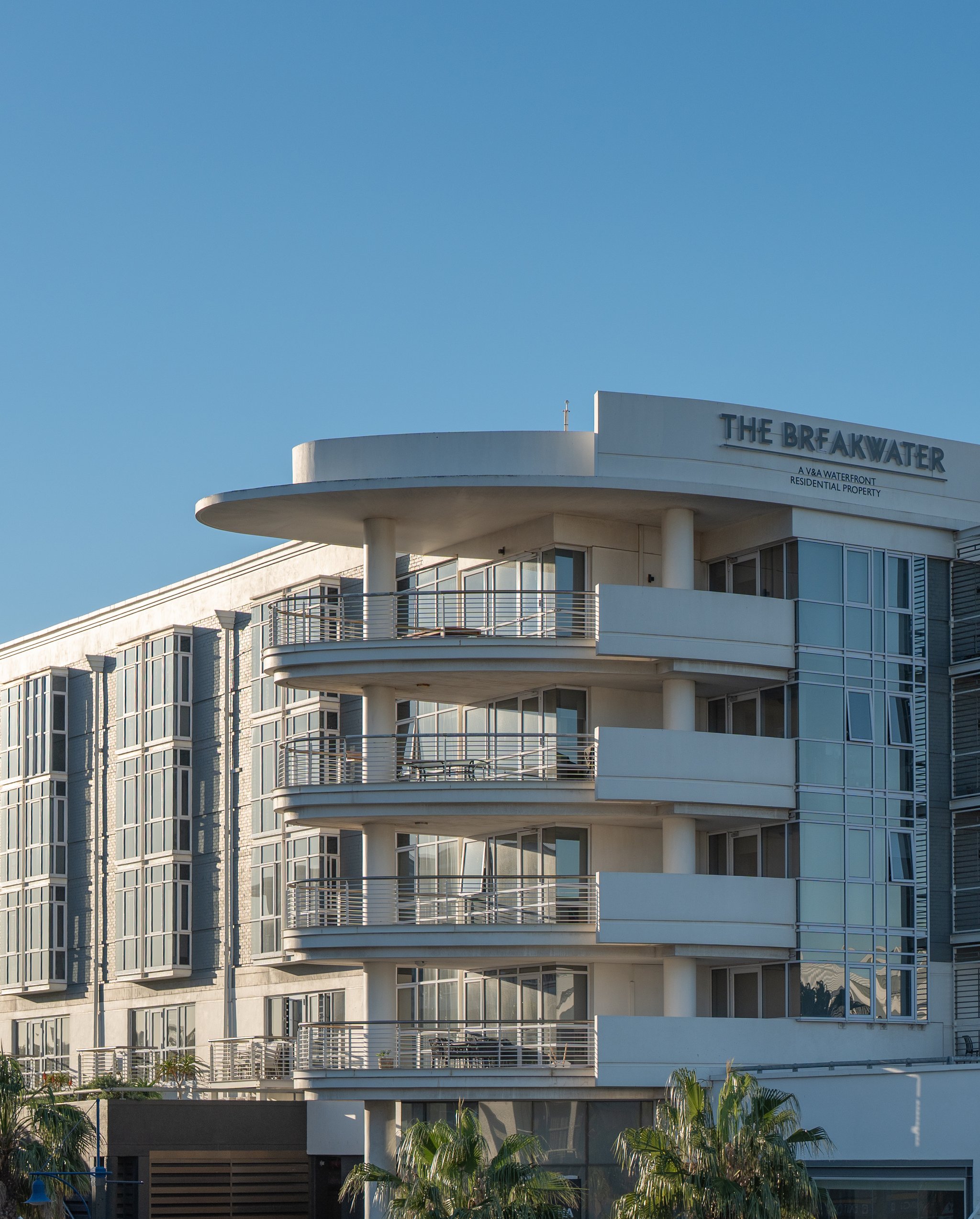
At the V&A Waterfront, people come together to work, visit, create and belong. More than a destination, it's a neighbourhood of opportunity, supporting 30,000 direct jobs and contributing R45.9 billion to the economy.


A new stretch of Cape Town’s Atlantic coastline is being opened up to the city. Over the next 15 to 20 years, this R20 billion-plus development will bring new homes, hotels, jobs, public space and a protected bay for swimming, kayaking and boating. A 540-metre seawall will help protect the coastline, while a new coastal walkway will connect the V&A directly to the Sea Point promenade.

There's no wrong season to visit Cape Town; every month has something worth building a trip around. Aligning a visit with specific travel objectives, whether seeking a vibrant summer atmosphere or a quieter trip focused on cultural activities, is essential. This guide outlines what to expect across different seasons at the V&A Waterfront.
Cape Town runs on a Mediterranean climate flipped to the southern hemisphere: hot, dry summers from December to February, cool, wet winters from June to August, with April to May and September to October serving as shoulder seasons in between. There's no single best month to travel that suits everyone; it depends on whether you're chasing sunshine, savings, or quieter streets. South Africa's longest school holiday of the year falls over December and January, right on top of the festive and peak tourist season. Anyone building a Cape Town travel itinerary around fewer crowds and better value should consider the shoulder months for milder days, thinner queues, and prices that haven't yet peaked.
Summer provides the best conditions for water-based activities. Start a morning with the Prosecco Morning Cruise or bring the whole family aboard the Jolly Roger Pirate Boat for an authentic pirate ship experience. Hire a bike at UpCycles in Silo 5 for a ride along the harbour and promenade or head out with Atlantic Outlook Kayaking for a two-hour guided ocean paddle, with a chance of spotting dolphins, seals and penguins along the way. Take advantage of the long daylight hours with a stand-up paddleboard on the canal or a turn on the Cape Wheel.
Expect the V&A Waterfront and the roads leading into it to be noticeably busier around this time of year and allow extra time on your route to avoid frustration.
Book restaurants and boat cruises in advance. It's worth checking individual venues for seasonal specials before you travel, since summer pricing shifts fast.
June through August is Cape Town's quieter, wetter half. Cold fronts roll through on a north-westerly wind, days sit around 14 to 18°C, and rain arrives in multi-day systems rather than constant drizzle.
The Two Oceans Aquarium maintains regular operating hours throughout the winter, while the V&A Waterfront's art galleries provide premium indoor cultural experiences. Southern Guild's showroom rotates every two to three months with work seldom seen elsewhere on the continent. Everard Read has shown modern and contemporary South African art since 1913, with exhibitions that move between established names and emerging talent, while Berman Contemporary focuses on women in art, offering a unique perspective. Zeitz MOCAA is the world's largest museum of contemporary African art, with free entry for everyone under 18 year-round and free entry for South African citizens on Wednesday mornings.
For something warming minus the kids, Pienaar & Son Distilling Co. at Makers Landing runs gin and whiskey tastings Thursday to Sunday, 10am to 6pm. Numerous V&A Waterfront restaurants offer seasonal winter dining specials, providing premium culinary experiences at an accessible value, since these change season to season and offer fine-dining experiences at a fraction of the usual price.
The Cape Doctor, Cape Town's famous south-easterly, blows hardest from September through March. For surfers, this wind pattern flips the usual seasonal advice. Winter, roughly May to September, brings the biggest and most consistent swells to the Atlantic-facing beaches, while summer suits beginners better with smaller, gentler waves. Battery Park's piazza has surf retailers if you need to sort gear before heading to nearby beaches. Winter also flips the wind pattern; a north-westerly arrives ahead of each cold front and brings most of the year's rain. If an outdoor booking matters to your trip, keep this in mind.
For a first trip built around beaches, long evenings and buzz, aim for January or February and book everything (we mean everything) from restaurants to cruises and hotel rooms well in advance. For a calmer, better-value approach April, May, September or October offer the same opportunities with fewer people, milder weather, and a shot at whale sightings if you land on the spring side.
Winter suits travellers chasing lower rates who don't mind swapping a beach day for a gallery or a cosy dining experience. Whichever month you land on, build a little flexibility into outdoor bookings, check ahead for specials, and use the V&A's Plan Your Visit page for up-to-date parking, transport and accessibility information before you set off.
Please note that these details can shift depending on the season and how busy the neighbourhood is that week.
We’d love to hear from you.
Whether you’re exploring a new career with us, interested in becoming a tenant or business partner, or just have a question, we’re here to help.