The Neighbourhood
You can help stranded turtles
30 May 20232 Min read
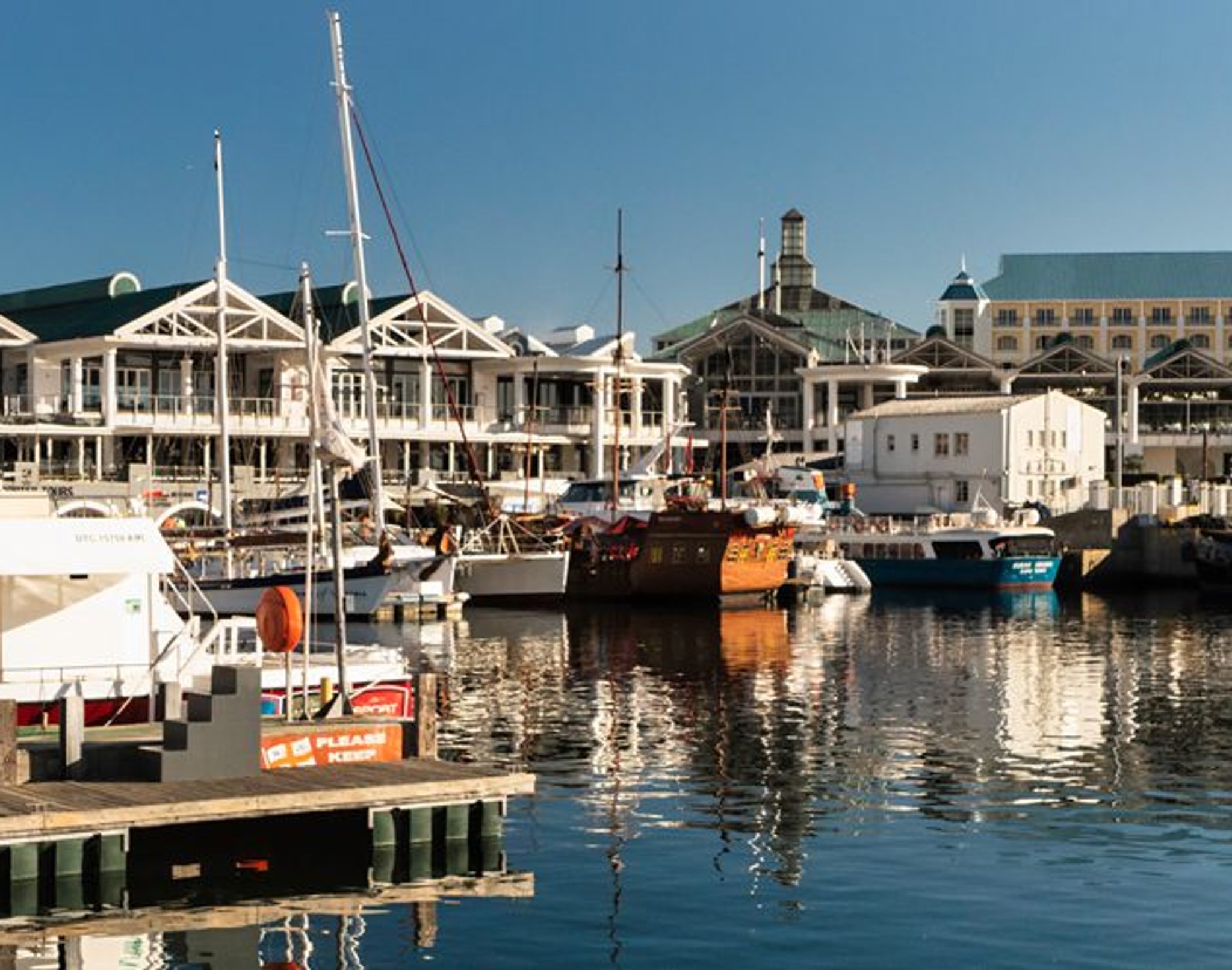

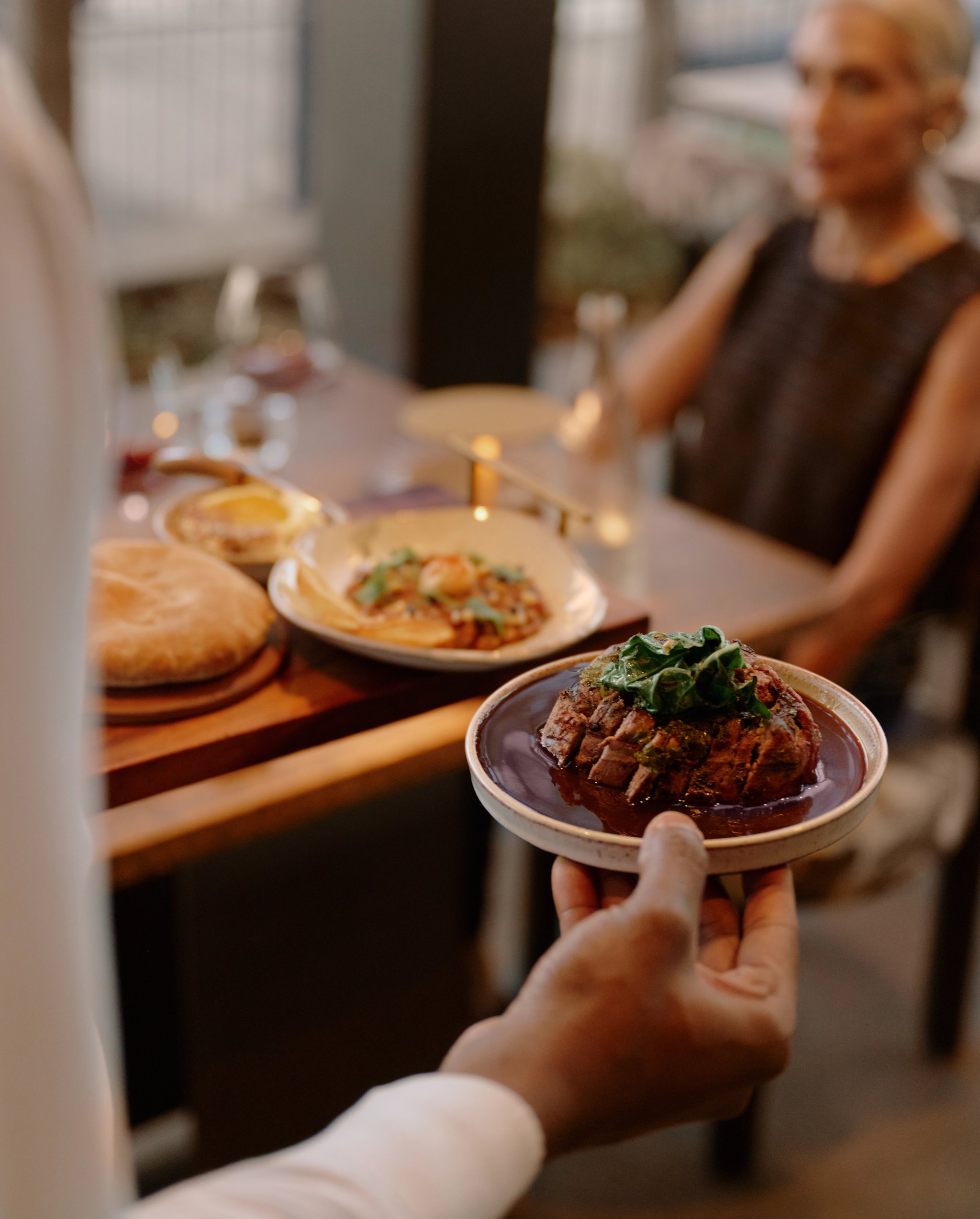
From quick bites to leisurely meals, the V&A Waterfront offers something for every appetite. Grab a coffee between stops, settle in for a sunset dinner, or explore flavours from around the world.
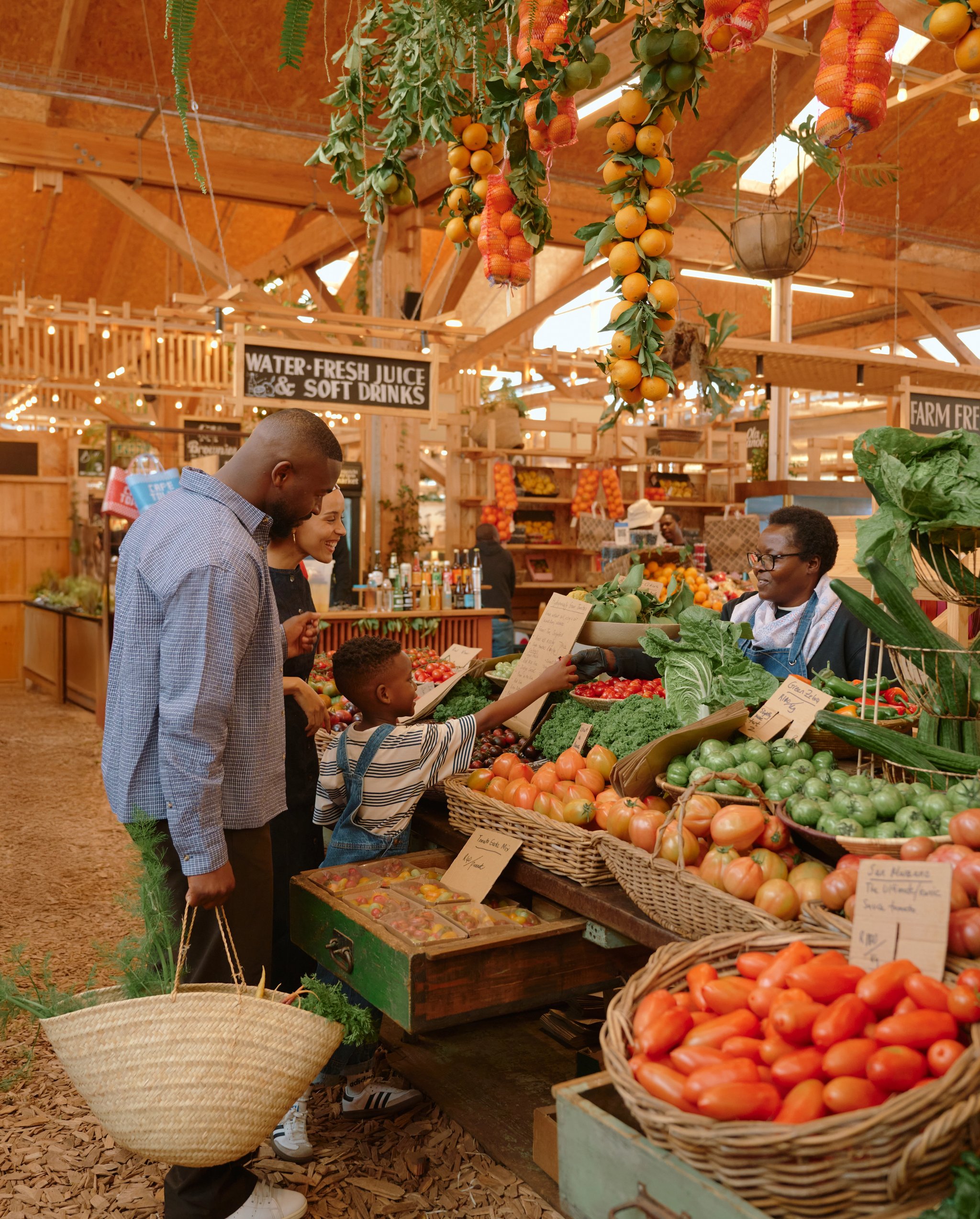
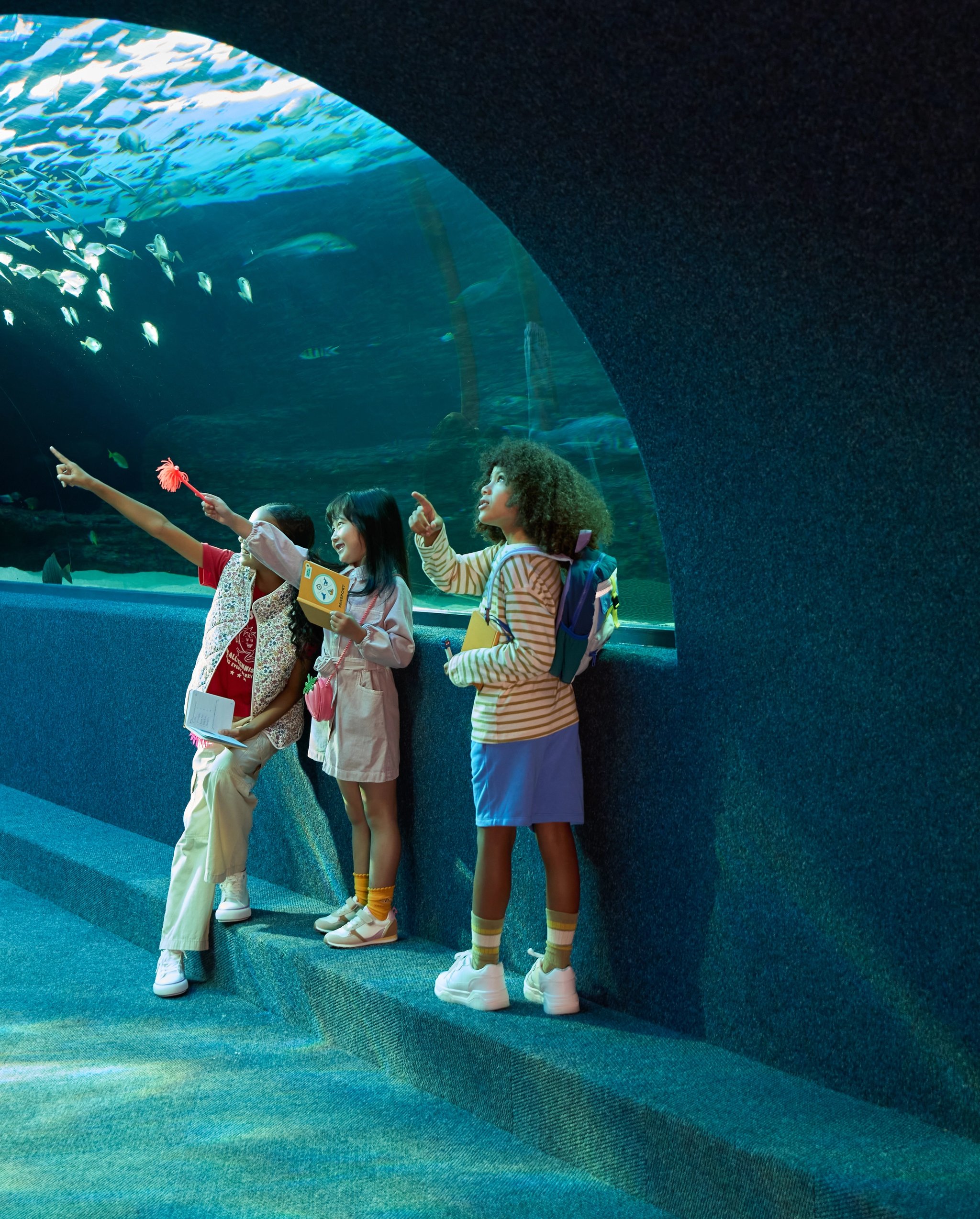
A neighbourhood that’s yours to discover. From world-class museums and iconic attractions to harbour gems, there are memorable experiences around every corner. Whether it's your first visit or your daily fix, there's always a new reason to explore.
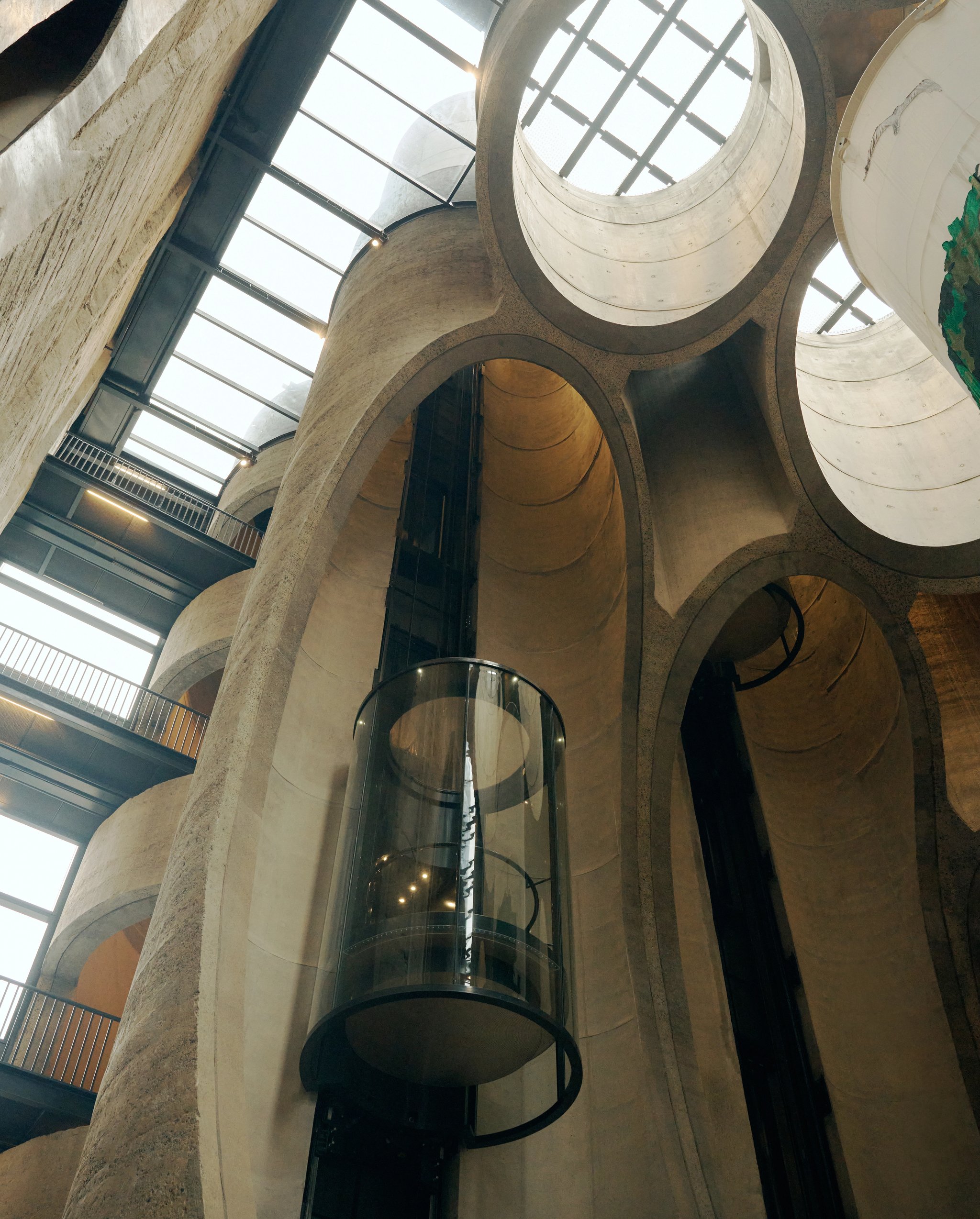
Expect the unexpected. From global brands to unique finds by local makers, there’s something for every shopper. This is world-class shopping with an African twist.

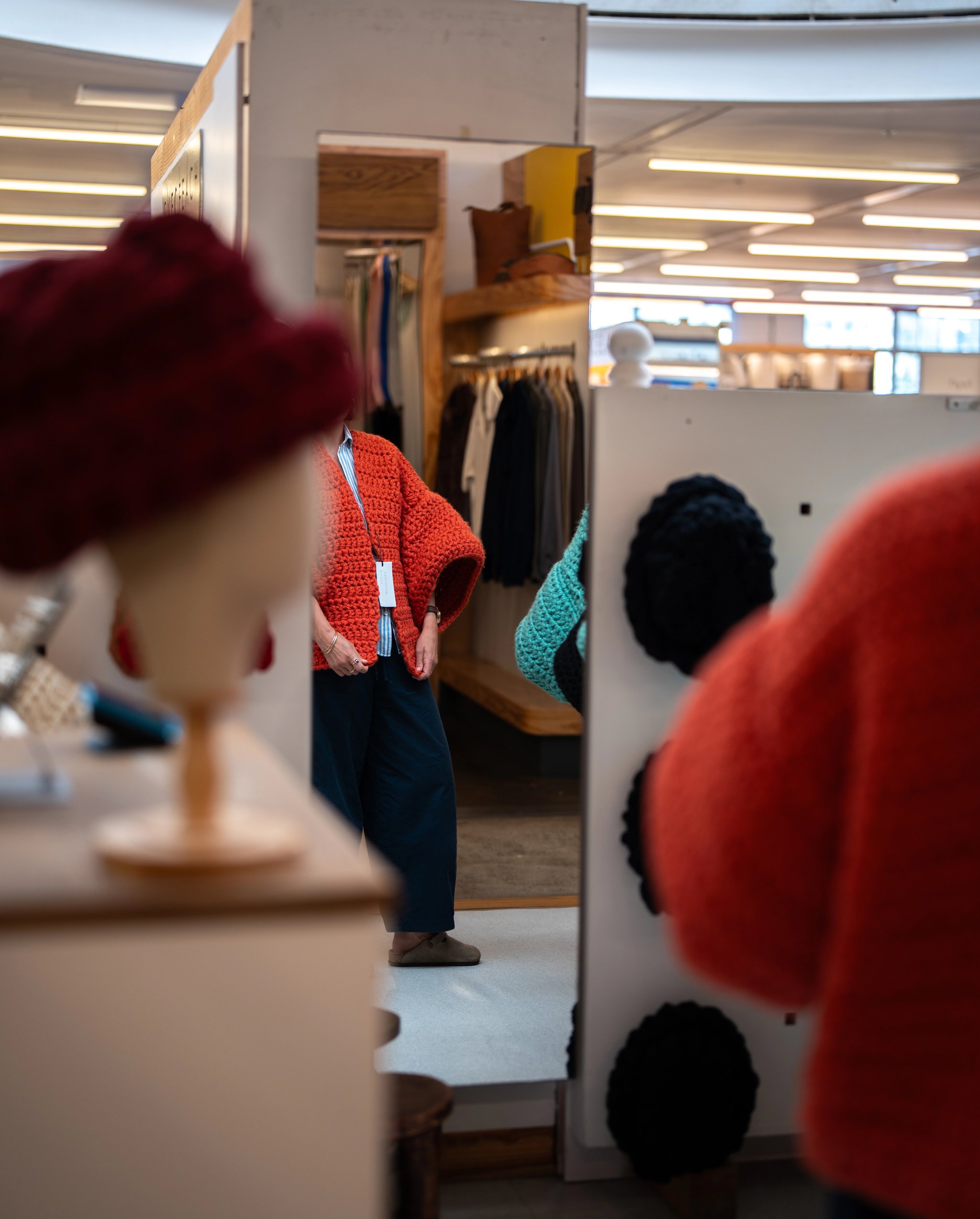
Our neighbourhood is the place to be! From seasonal events to top performances, there’s always something to look forward to. Find out what's on so you can plan your next memorable experience.

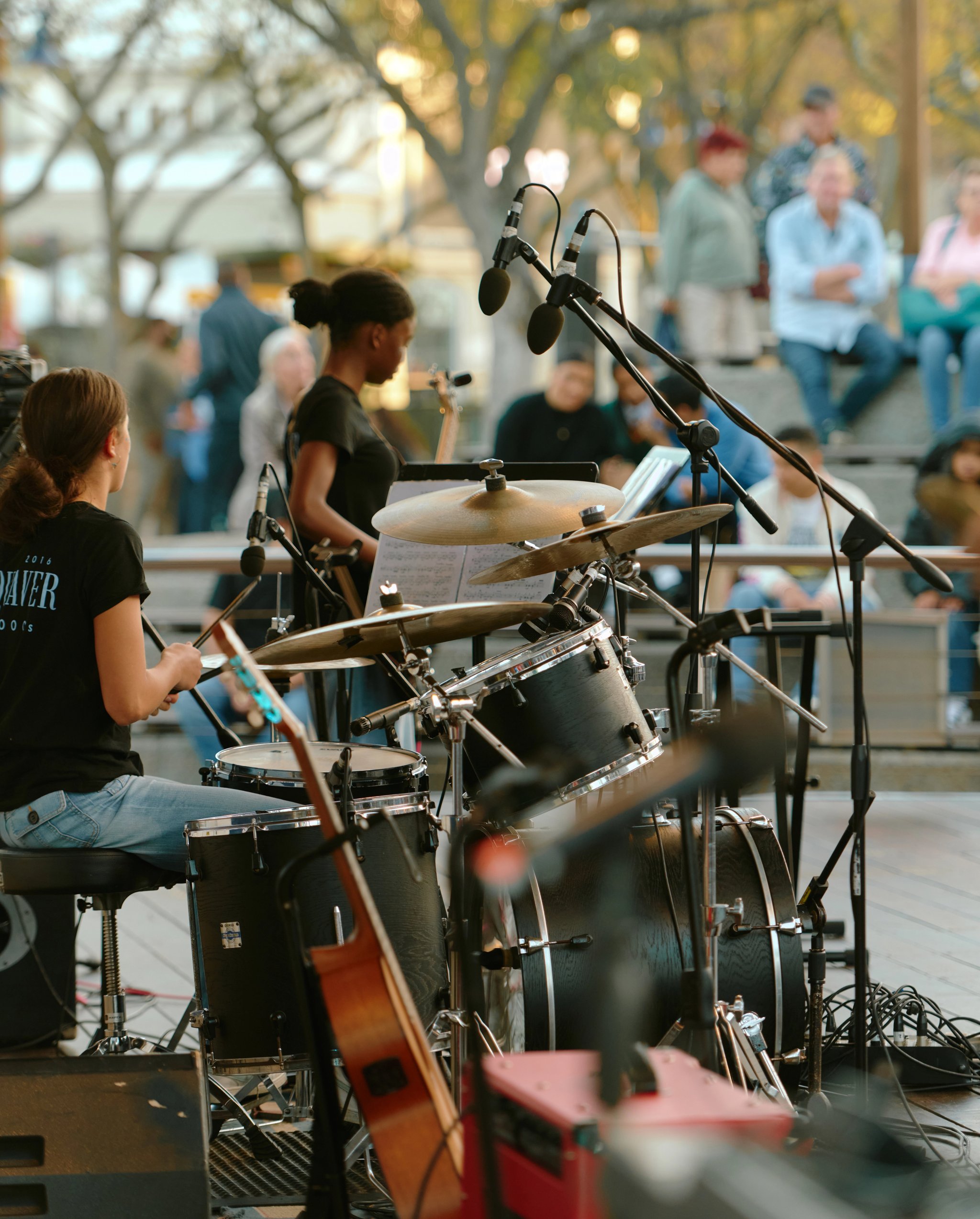
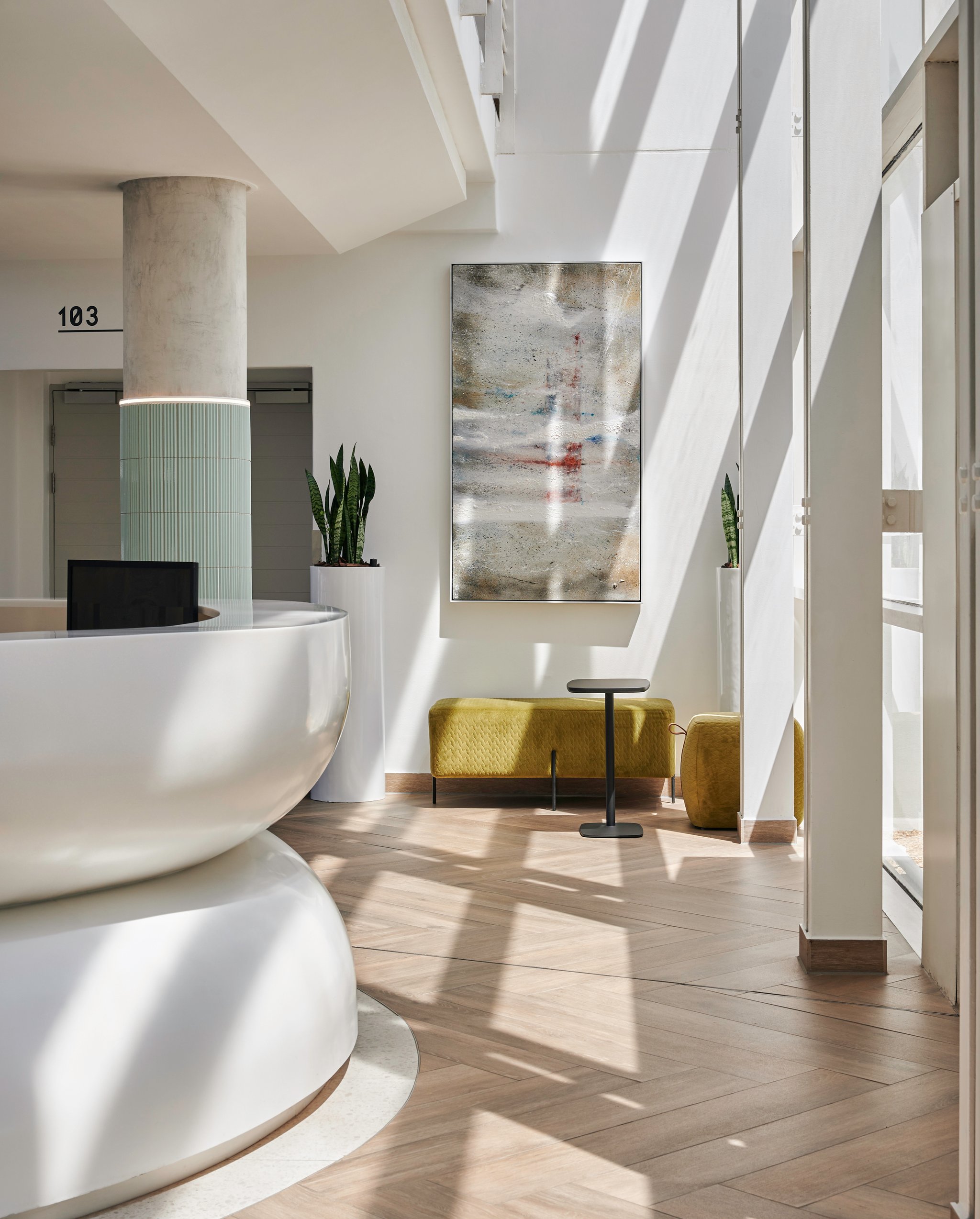
Hotels at the V&A Waterfront offer a unique experience inside a neighbourhood that has been alive for over 160 years.
From intimate boutique properties to five-star resorts, every hotel here sits within a working harbour, a creative economy, and a community where there’s always a reason to stay a little longer.
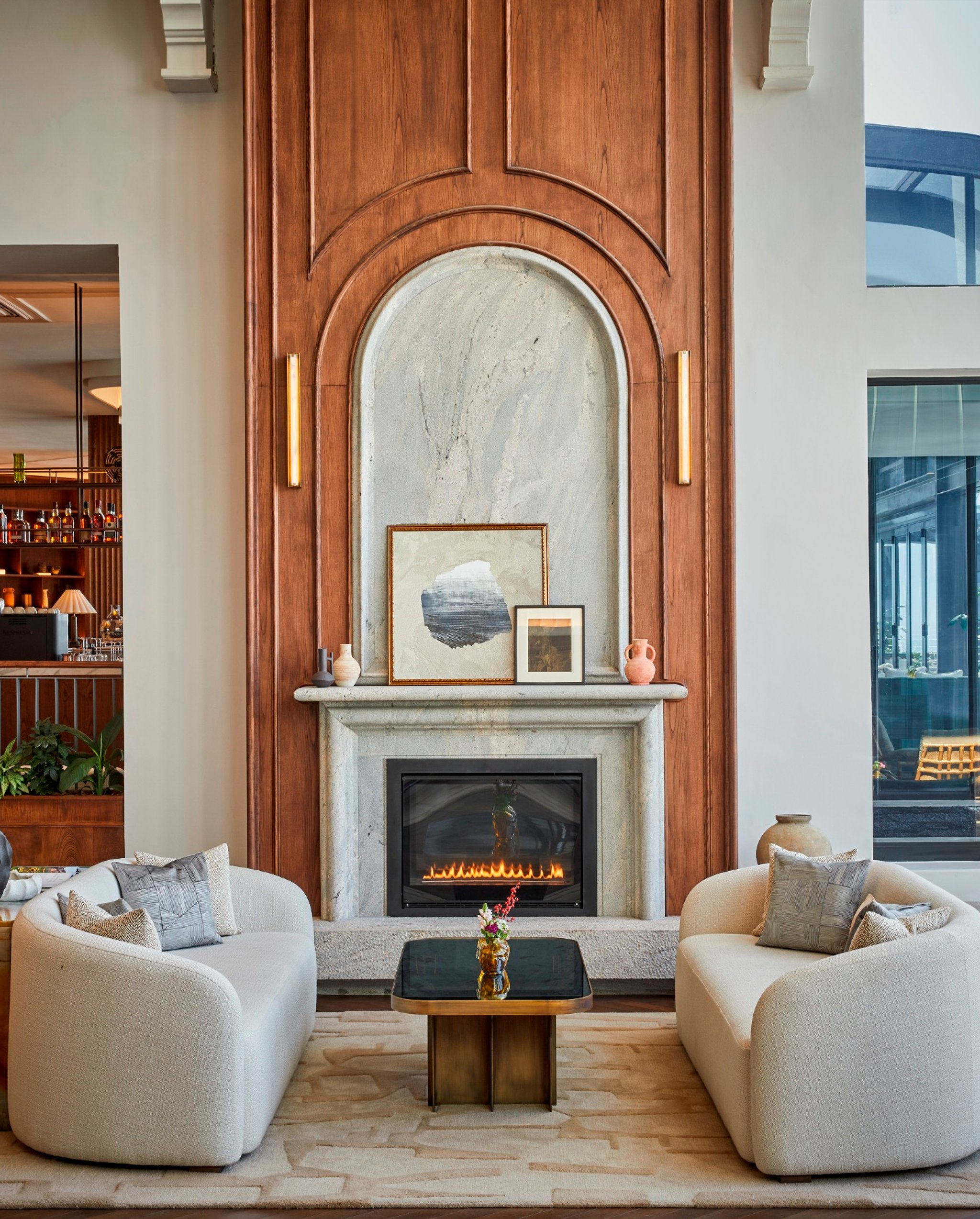
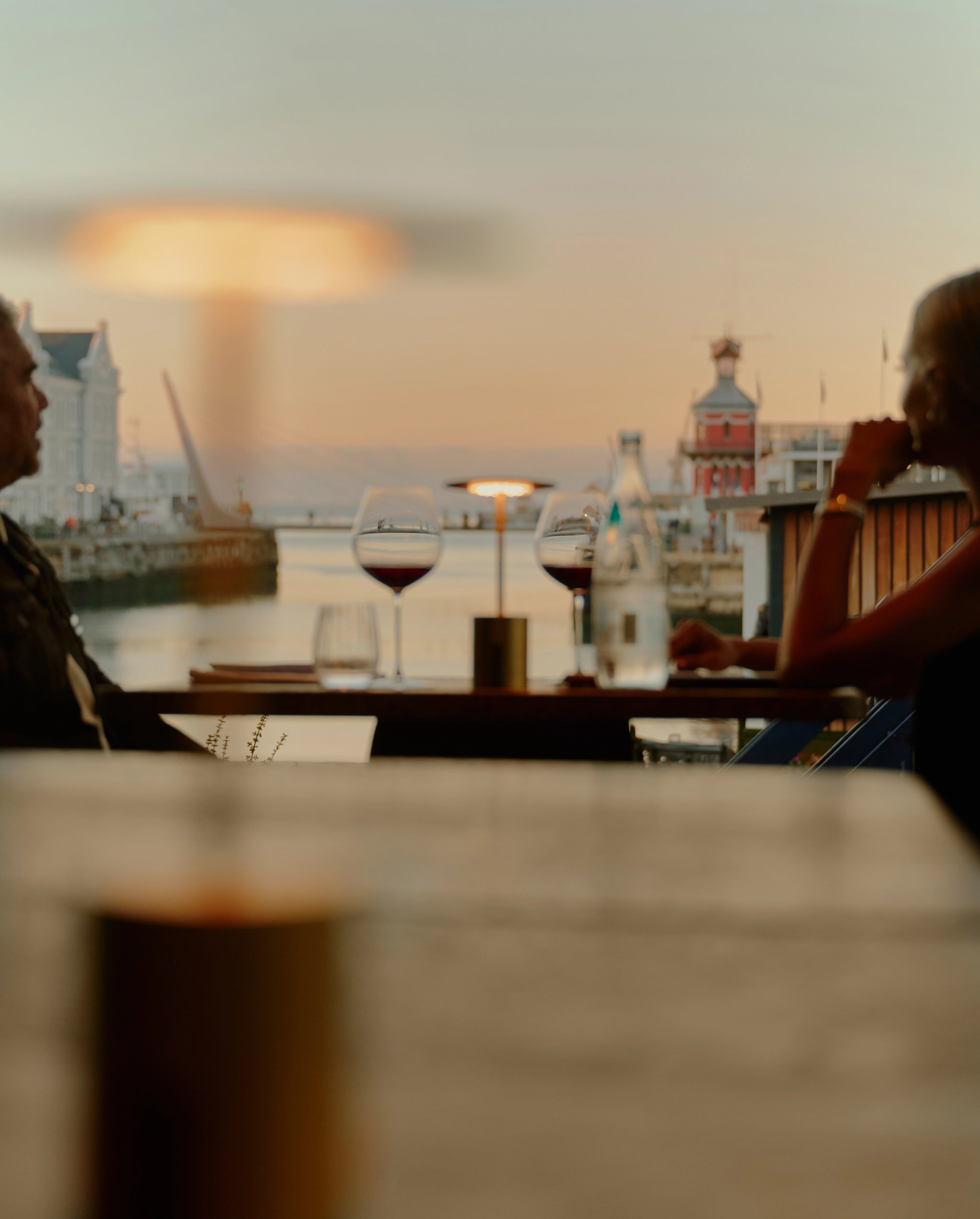
Wake up to the harbour and enjoy your favourite coffee spot as you experience the convenience of having everything within walking distance.
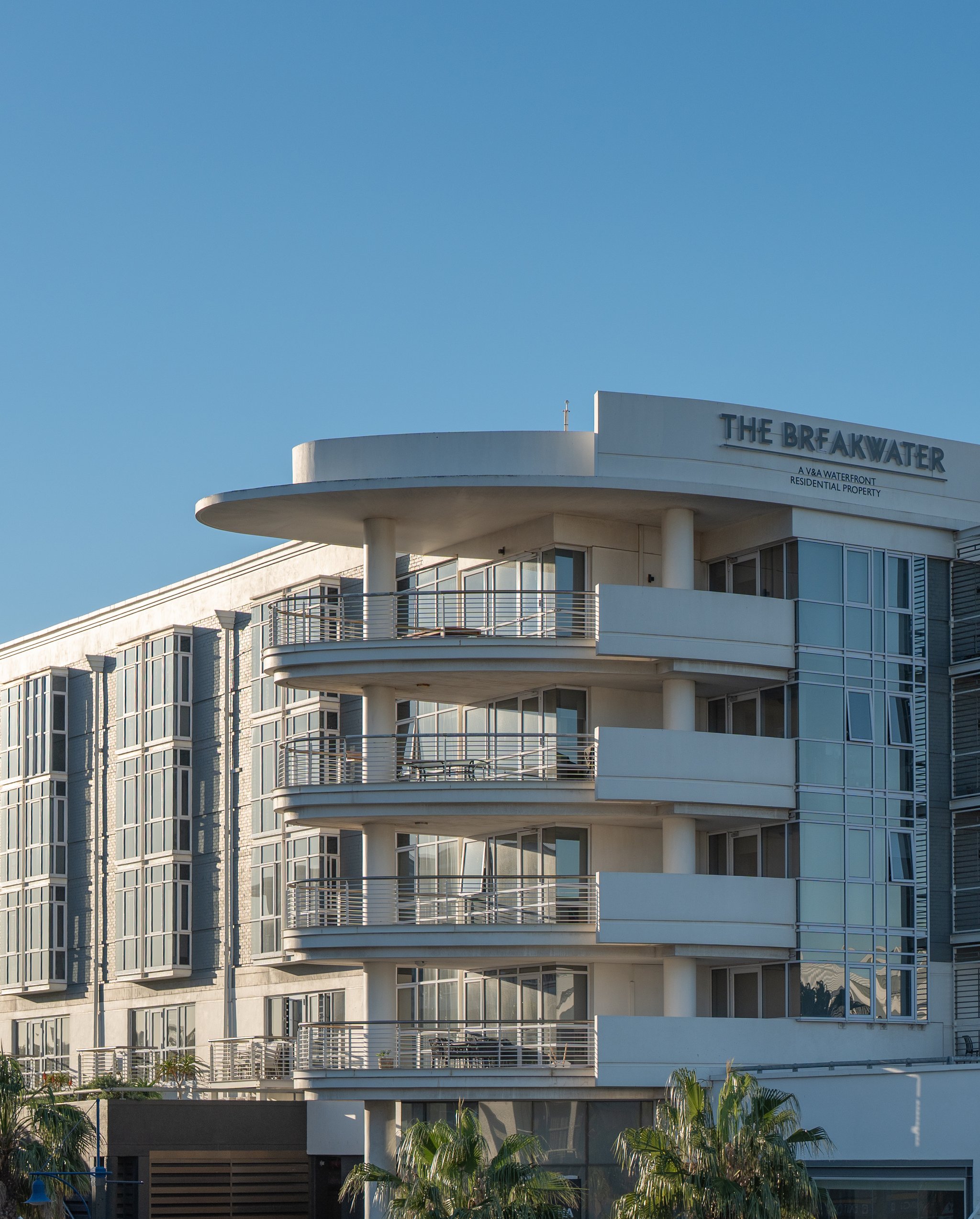
Living at the V&A Waterfront means living inside one of the most connected neighbourhoods in Africa, with everything that comes with it: security, convenience and a view that never gets old.
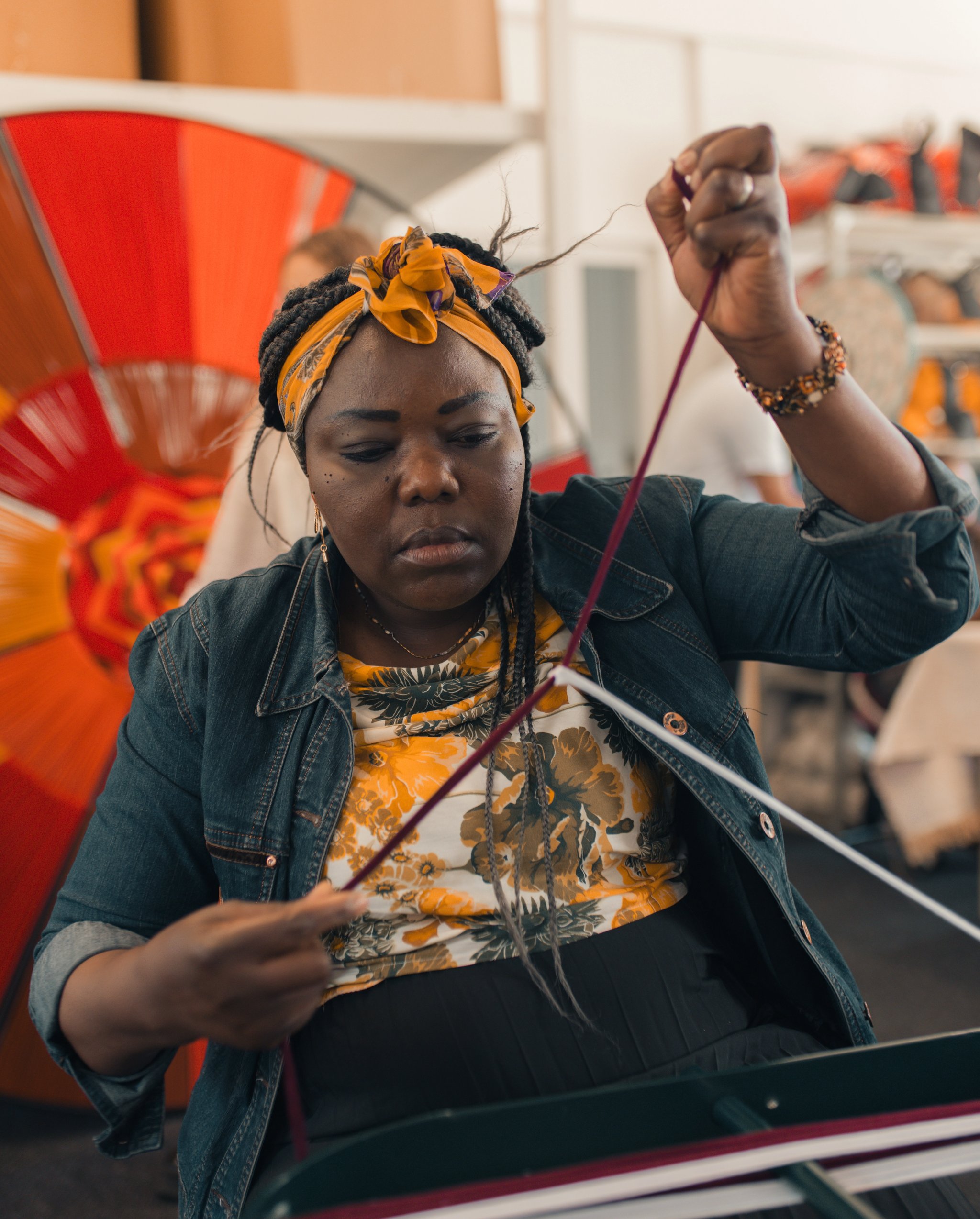
At the V&A Waterfront, people come together to work, visit, create and belong. More than a destination, it's a neighbourhood of opportunity, supporting 30,000 direct jobs and contributing R45.9 billion to the economy.
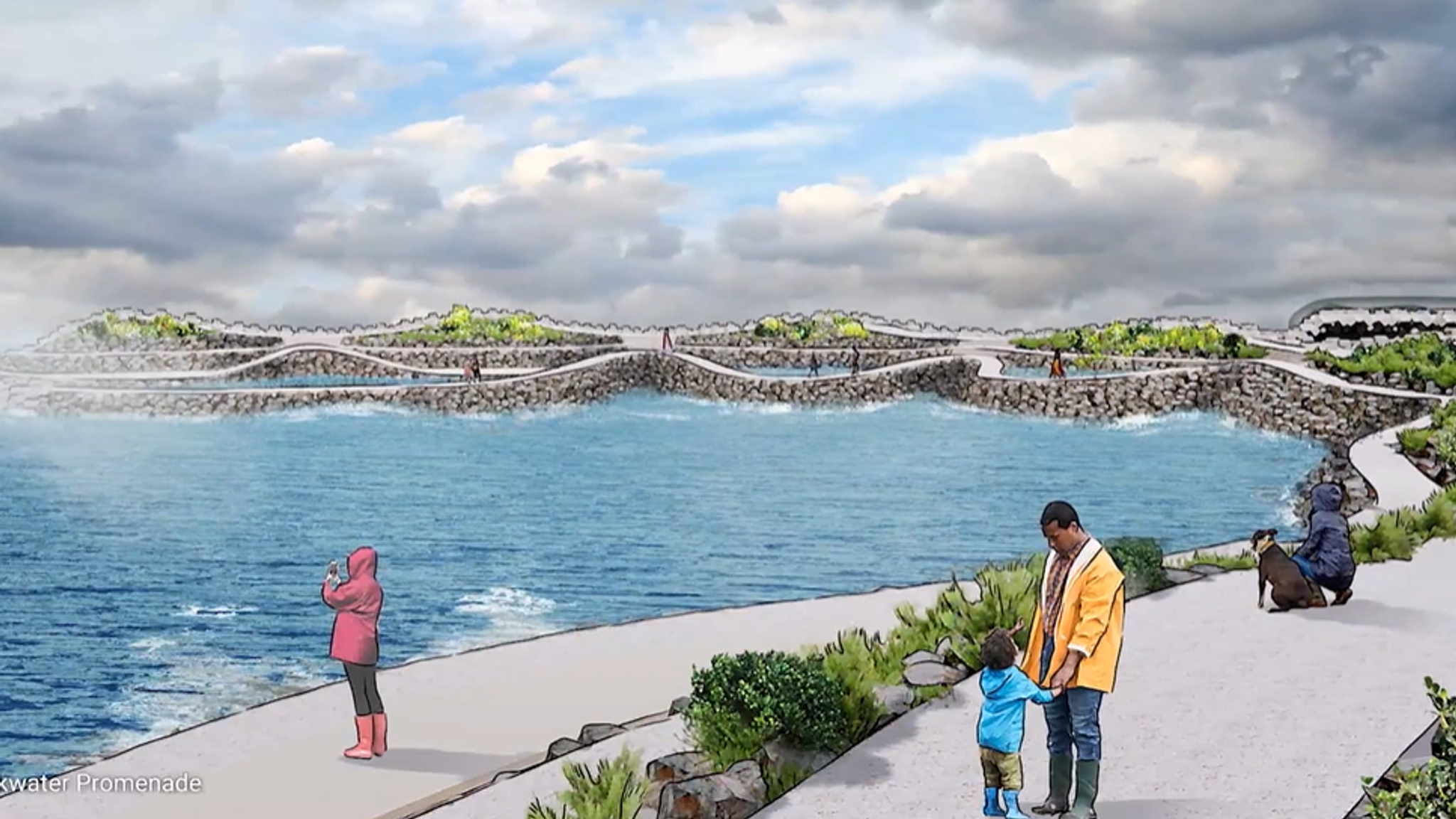
A new stretch of Cape Town’s Atlantic coastline is being opened up to the city. Over the next 15 to 20 years, this R20 billion-plus development will bring new homes, hotels, jobs, public space and a protected bay for swimming, kayaking and boating. A 540-metre seawall will help protect the coastline, while a new coastal walkway will connect the V&A directly to the Sea Point promenade.
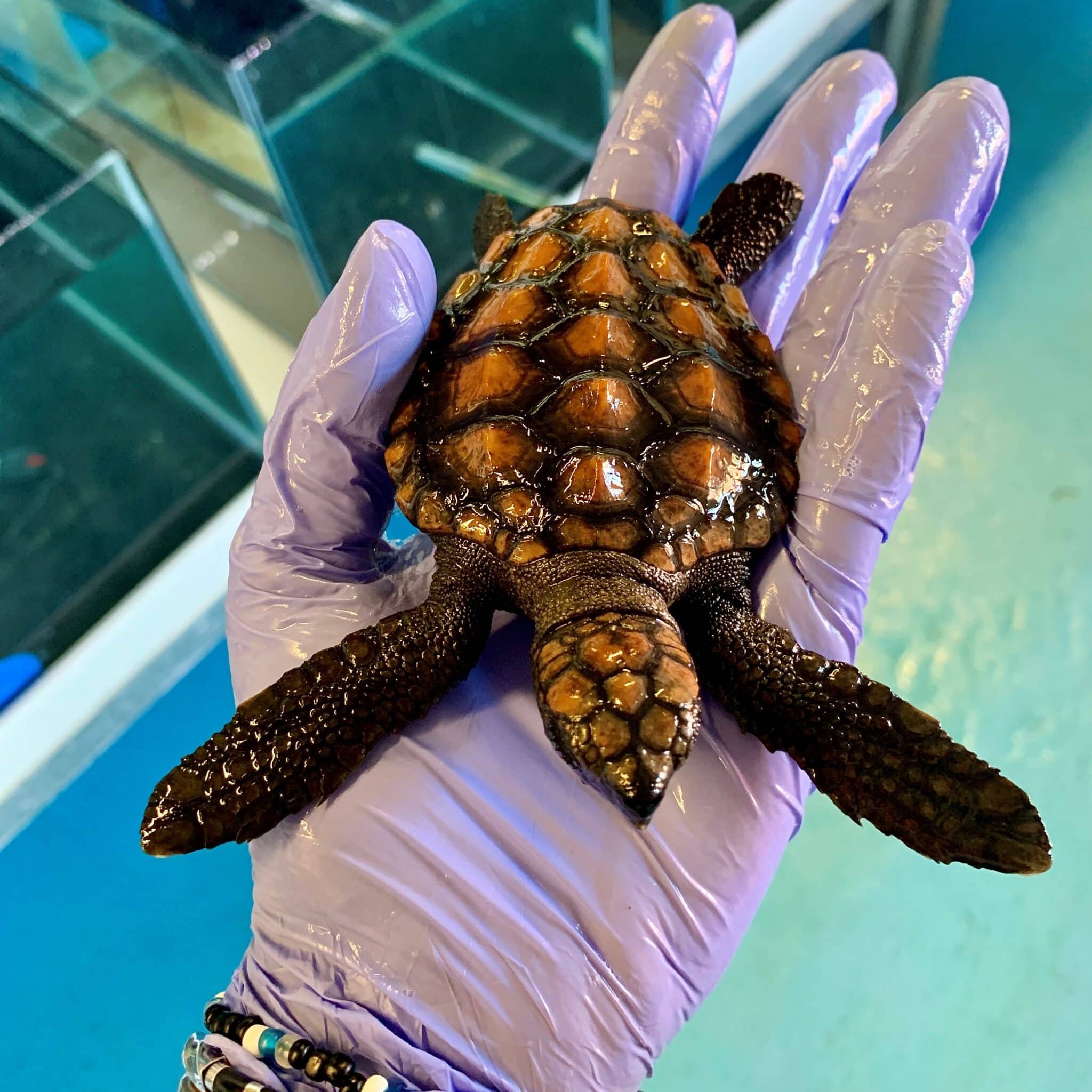
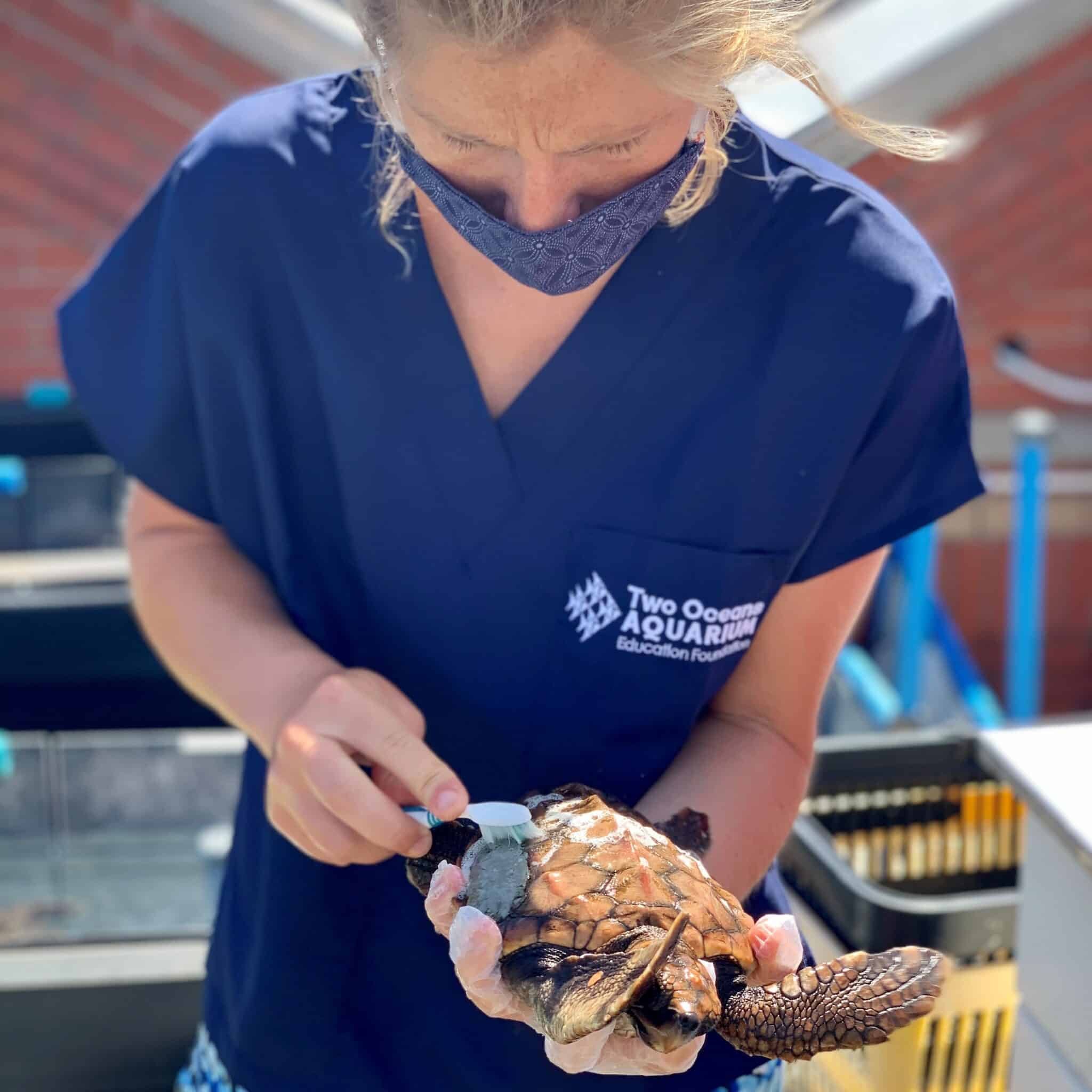
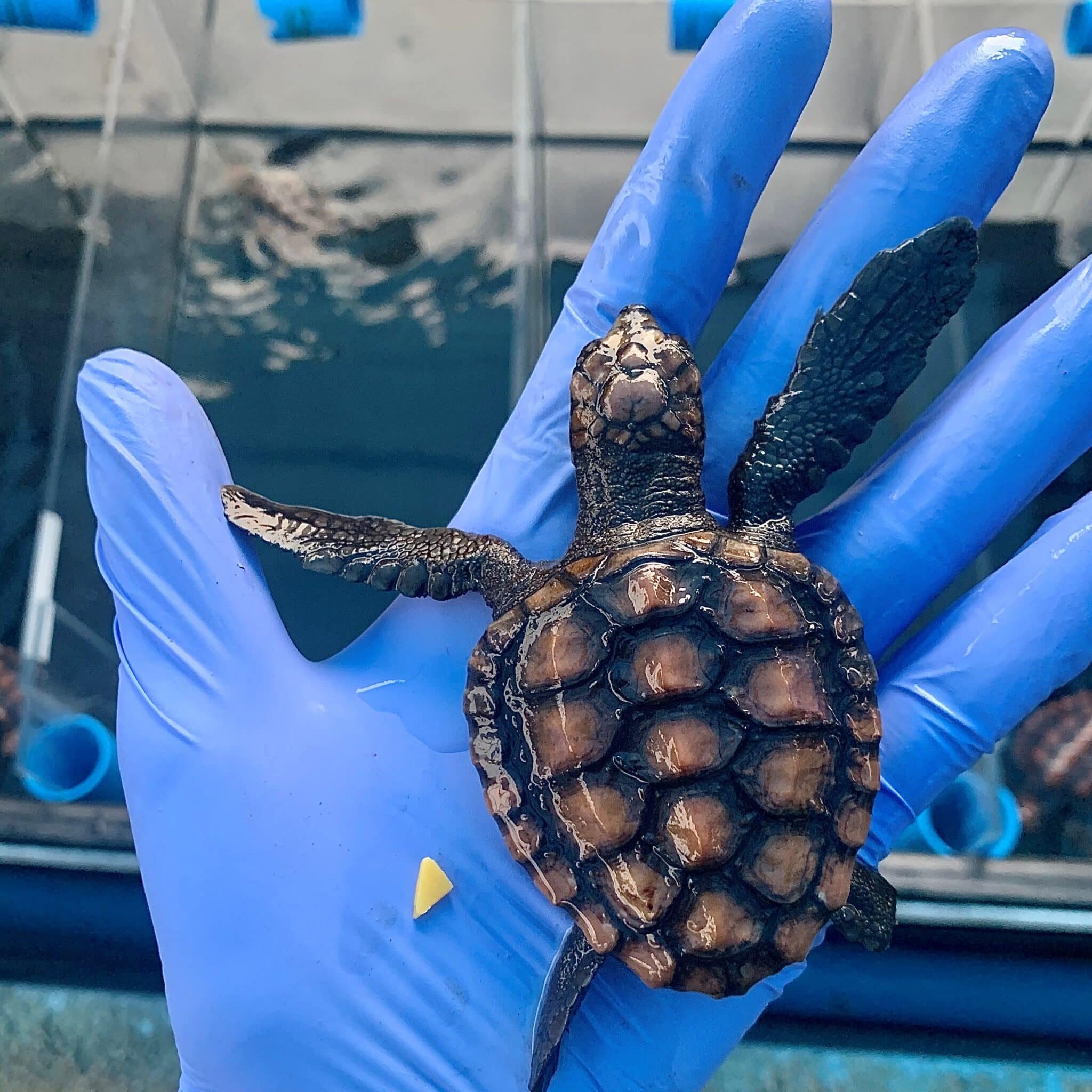
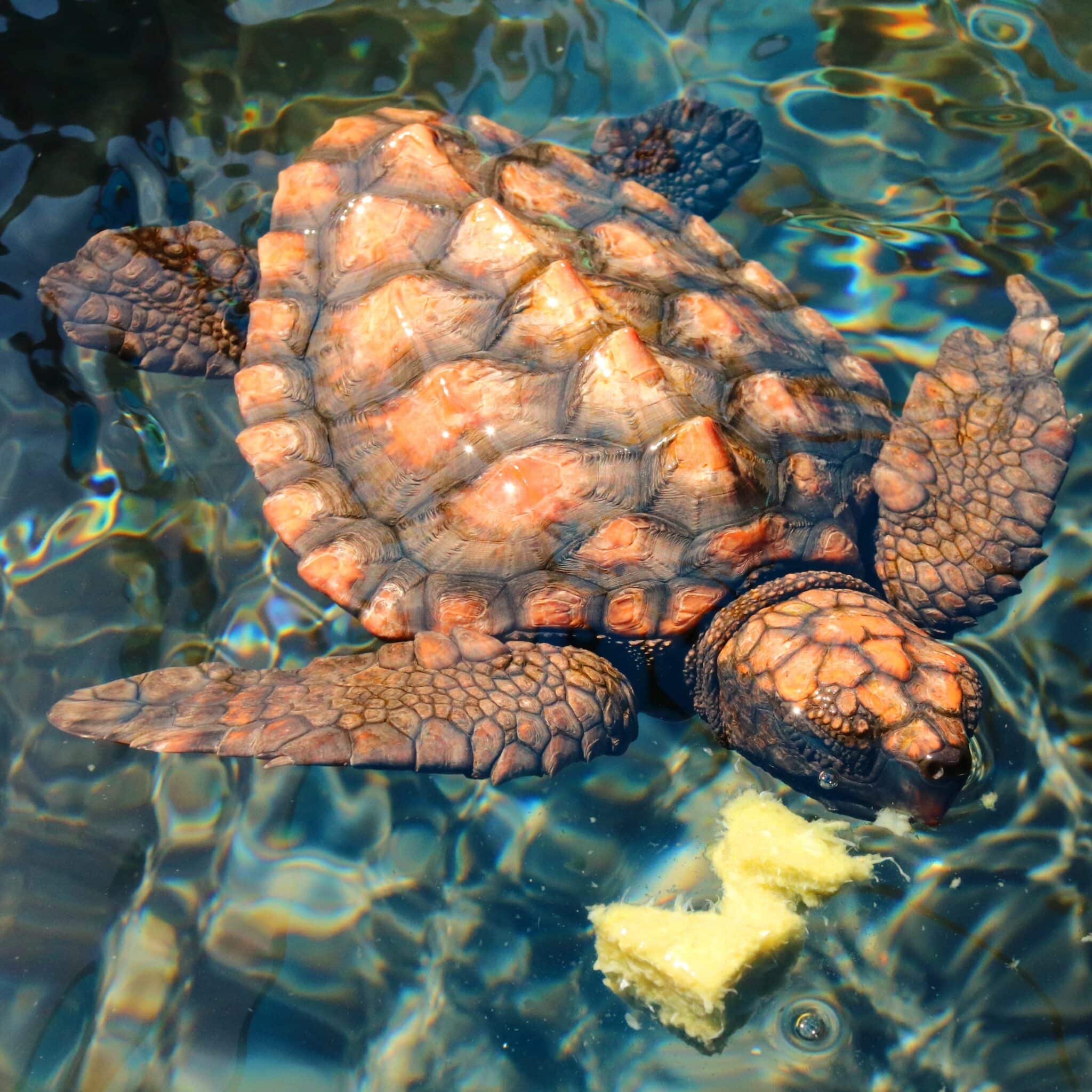
The turtles, which hatched on the KwaZulu-Natal coast are swept into the strong Agulhas Current that torpedoes them all the way from KwaZulu-Natal. The poor little creatures arrive dehydrated, cold and weak. The hatchlings are extremely buoyant and are thus easily swept onto our beaches. The Turtle Conservation Centre of the Two Oceans Aquarium Foundation provides these battered babies with a safe haven, rescuing and rehabilitating them so that they grow strong enough to be released back into the wild. If you happen to come across a turtle on your next beach stroll, we’ve got some tips on how you can help save its life. And they don’t involve placing it back in the ocean… just yet.
Rescue
The sea turtles that wash up on our shores hatch in KZN during the summer months. They love the warm Indian Ocean, but the fast-paced Agulhas current is not easy to navigate. It sweeps many a hatchling all the way down south to Cape shores, taking them through much colder waters that place their tiny bodies in shock. On their journey, these turtles (many adults also fall victim to this) battle against ocean predators and often mistakenly ingest plastic waste, causing further damage to their systems. Being rescued after washing up on a beach offers them a second chance at life.
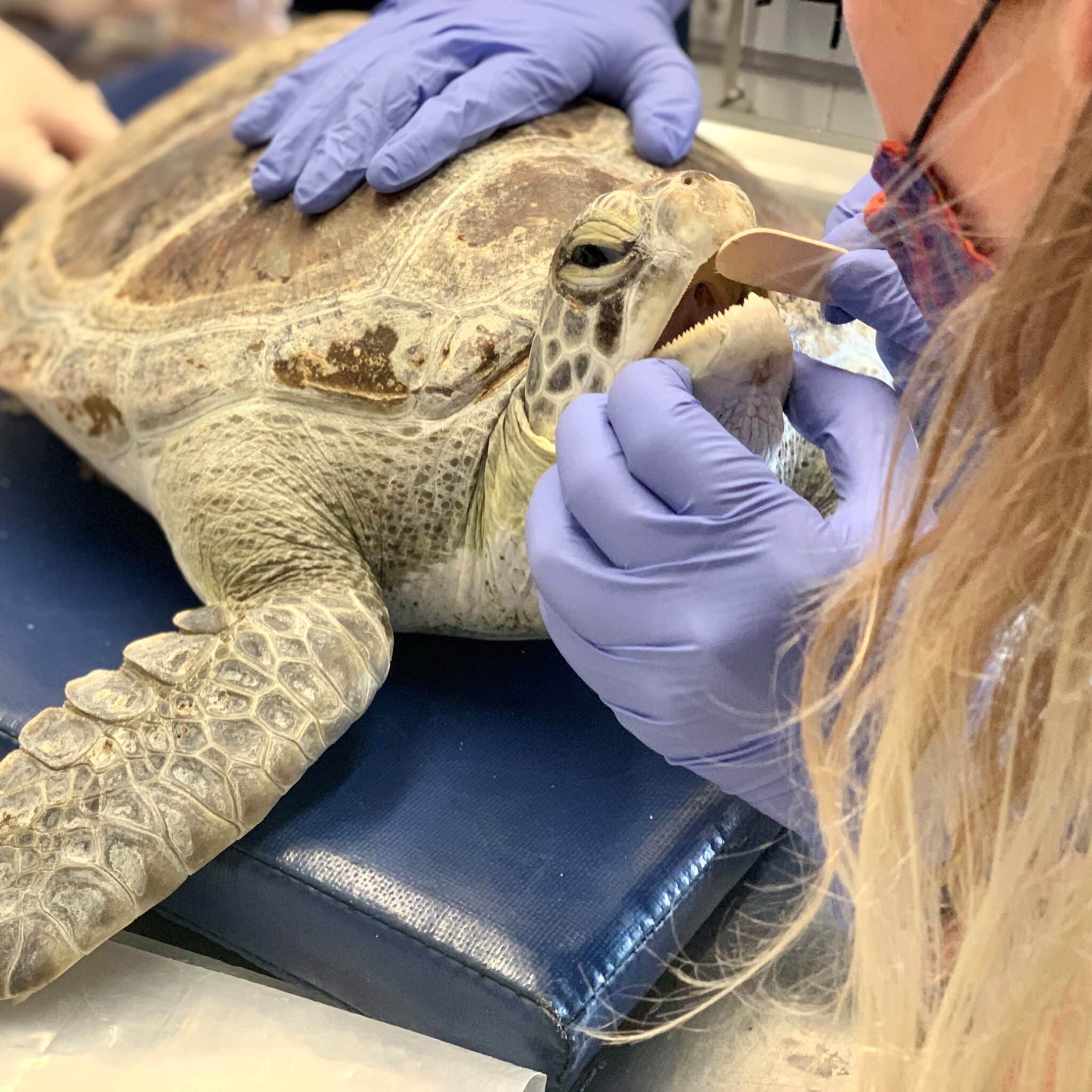
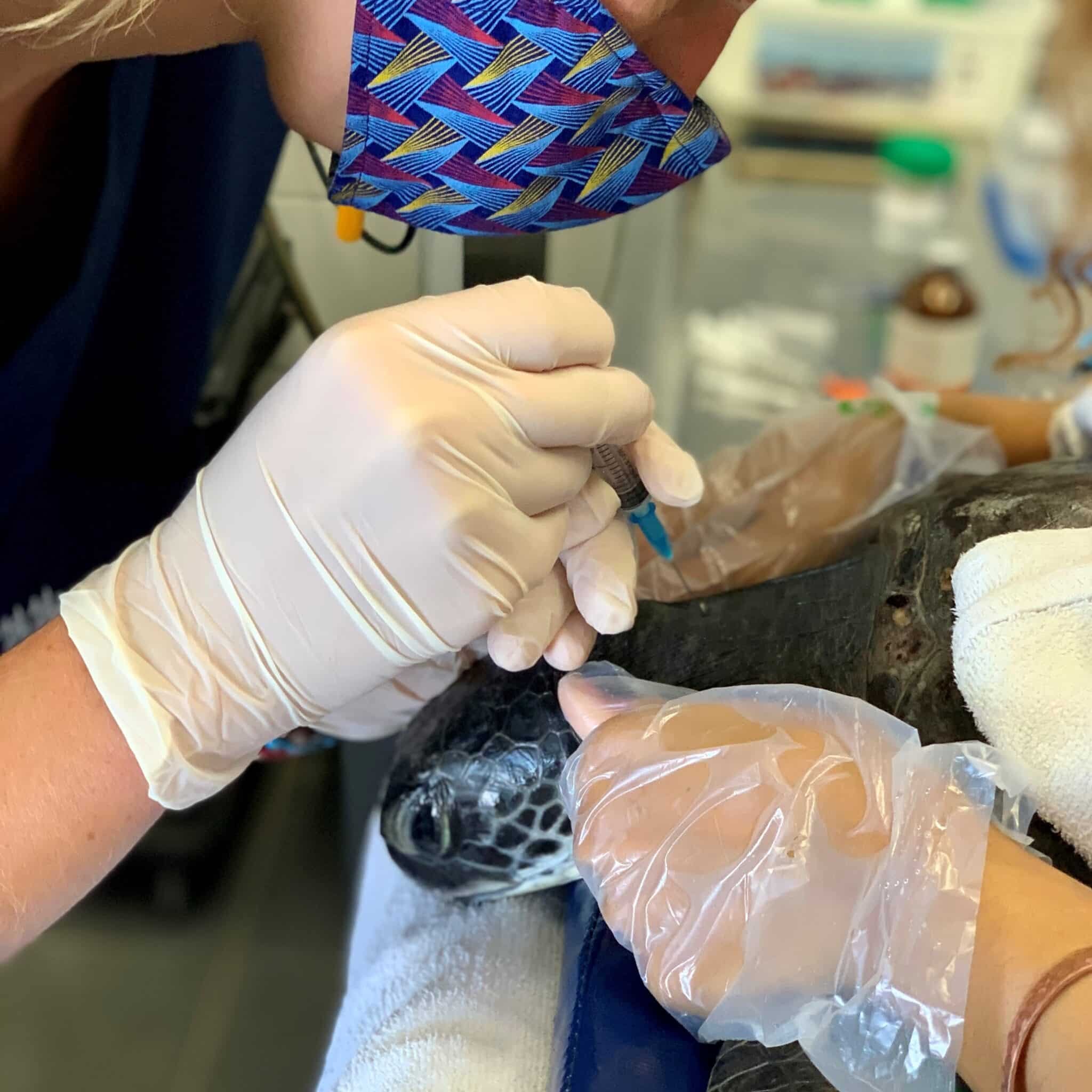
The ‘hospital’ at the Two Oceans Aquarium Foundation is where such turtles are cared for. After undergoing a full medical assessment, their treatment programme is determined. Flipper amputations, respiratory tract or ear infections, or hypothermia are all dealt with accordingly, while plastic ingestion requires special attention. Rehabilitation usually lasts the entire winter season, giving hatchlings a change to heal and grow stronger so that they’re ready for a summertime release back into the ocean, when waters are warmer.
Healthy, rehabilitated turtles are returned to the ocean with the help of organisations like the National Sea Rescue Institute (NSRI) and Hooked on Africa. Adult turtles usually spend some time in the Two Oceans Aquarium’s I&J Ocean Exhibit before their release, to strengthen their limbs and get them fit again. Some are tagged with satellite tags on release so that their progress can be monitored and used for research and future rescue programmes and studies on turtle movement in the oceans. Hatchlings are chipped before release so that they can easily be identified if they wash up somewhere else.
Never place a stranded turtle back in the water! It washed up because it’s too weak to swim and needs to be rehabilitated first.
Find your nearest Turtle Network Point or call the hotline number below. They will give you the information you need and coordinate efforts to get the turtle into the hands of trained veterinary staff at our Turtle Conservation Centre.
Report all stranded turtles by calling 083 300 1663.
We’d love to hear from you.
Whether you’re exploring a new career with us, interested in becoming a tenant or business partner, or just have a question, we’re here to help.