Sustainability
Watershed co-hosts Slow Fashion Festival
18 September 20244 Min read

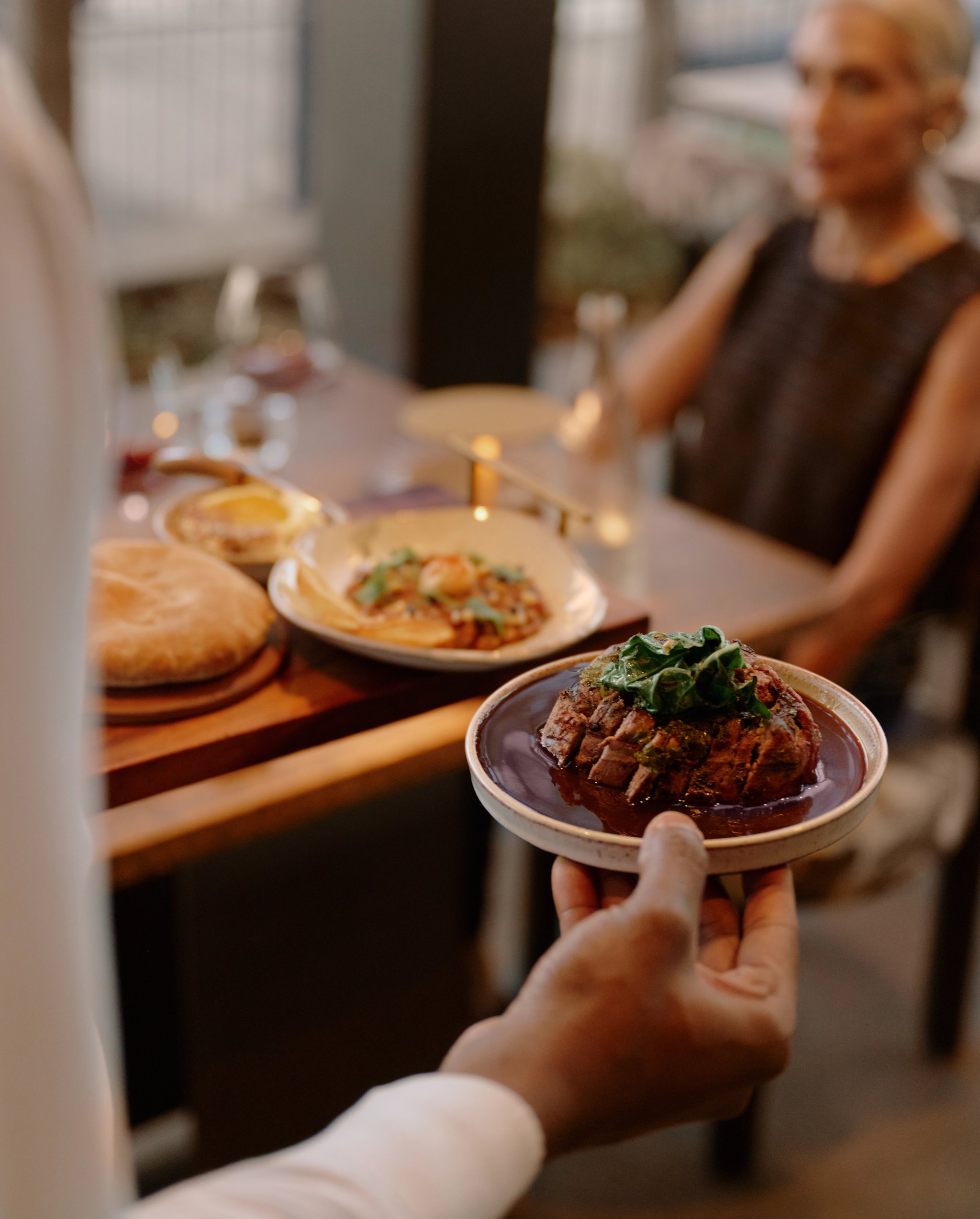
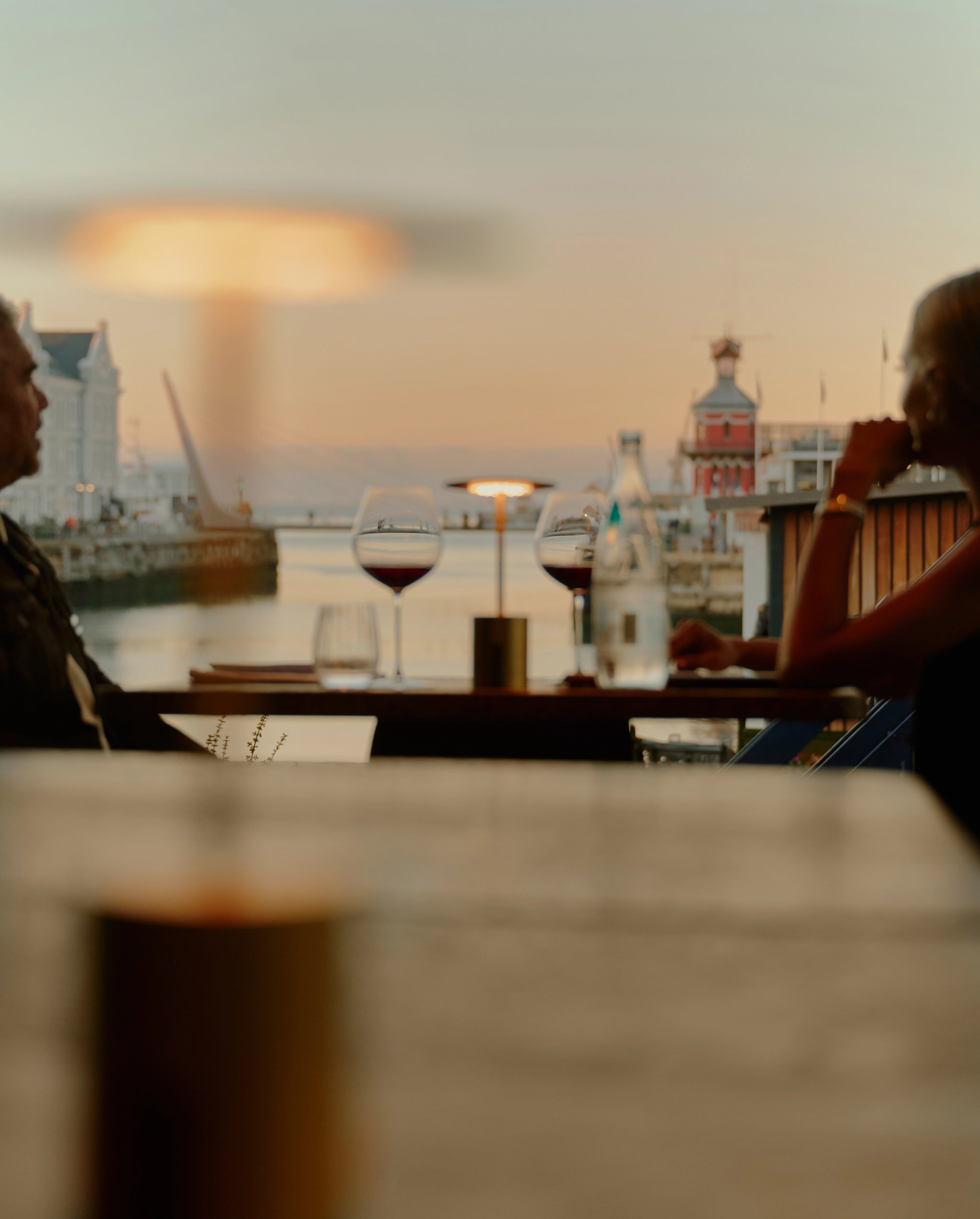
From quick bites to leisurely meals, the V&A Waterfront offers something for every appetite. Grab a coffee between stops, settle in for a sunset dinner, or explore flavours from around the world.
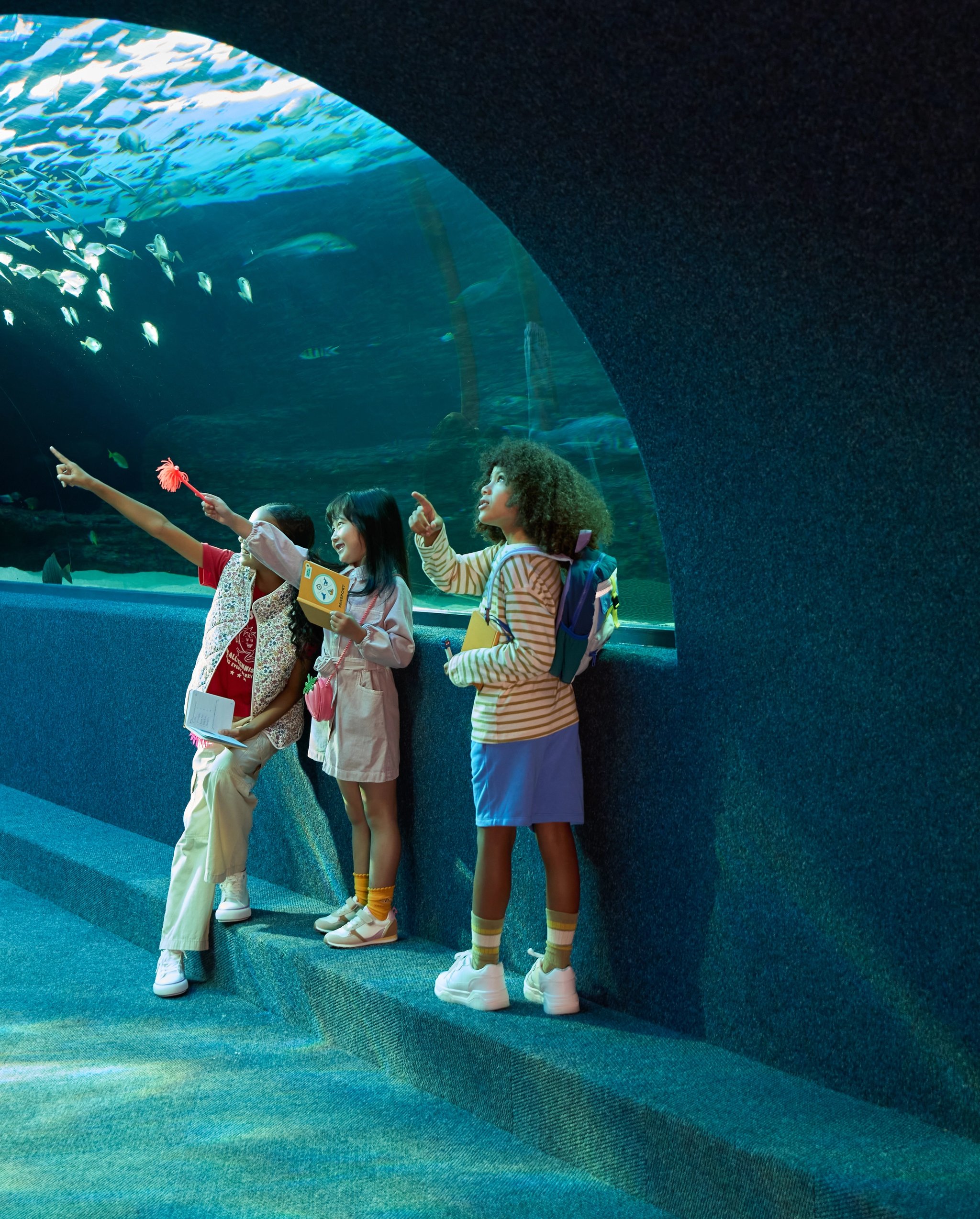
A neighbourhood that’s yours to discover. From world-class museums and iconic attractions to harbour gems, there are memorable experiences around every corner. Whether it's your first visit or your daily fix, there's always a new reason to explore.
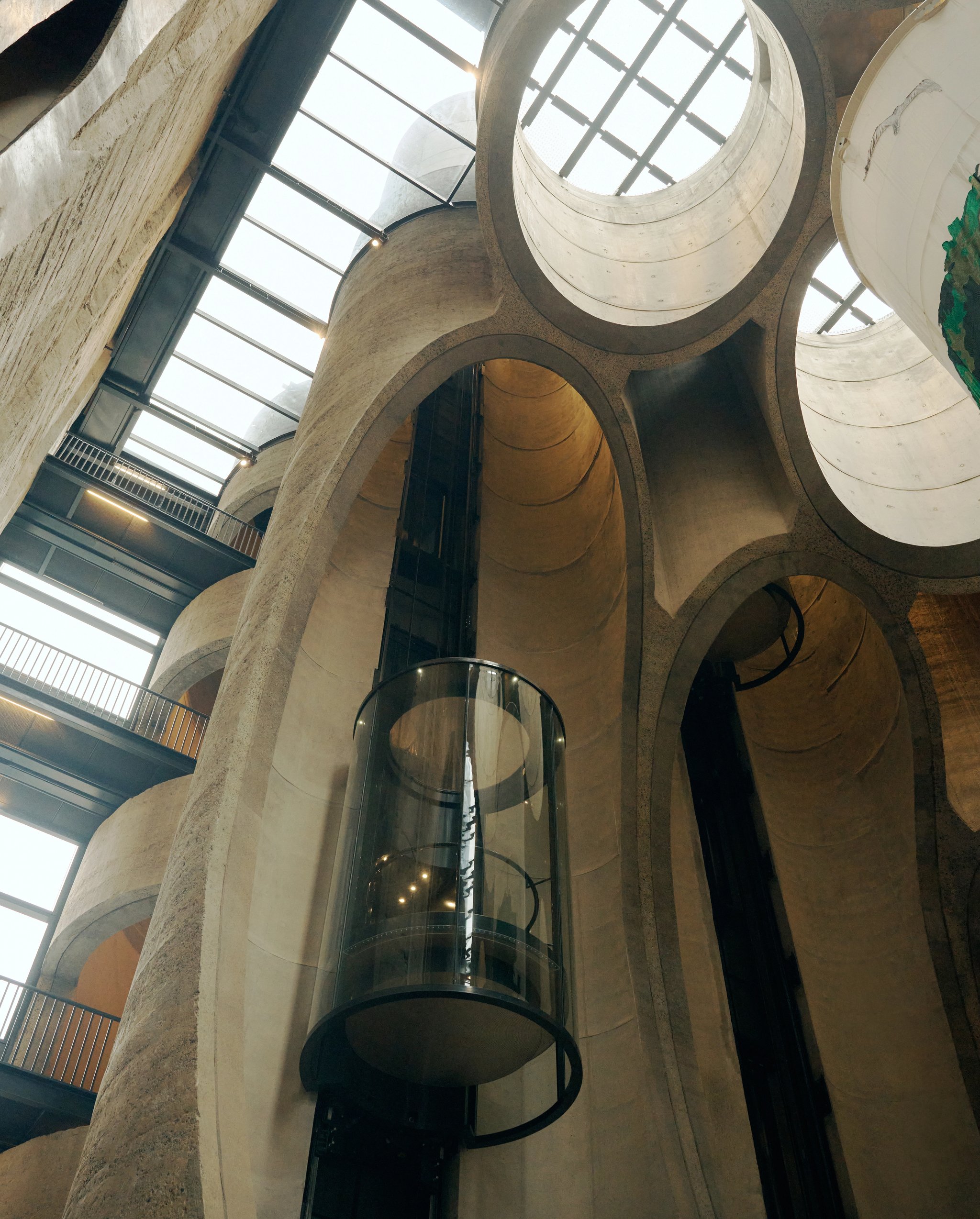
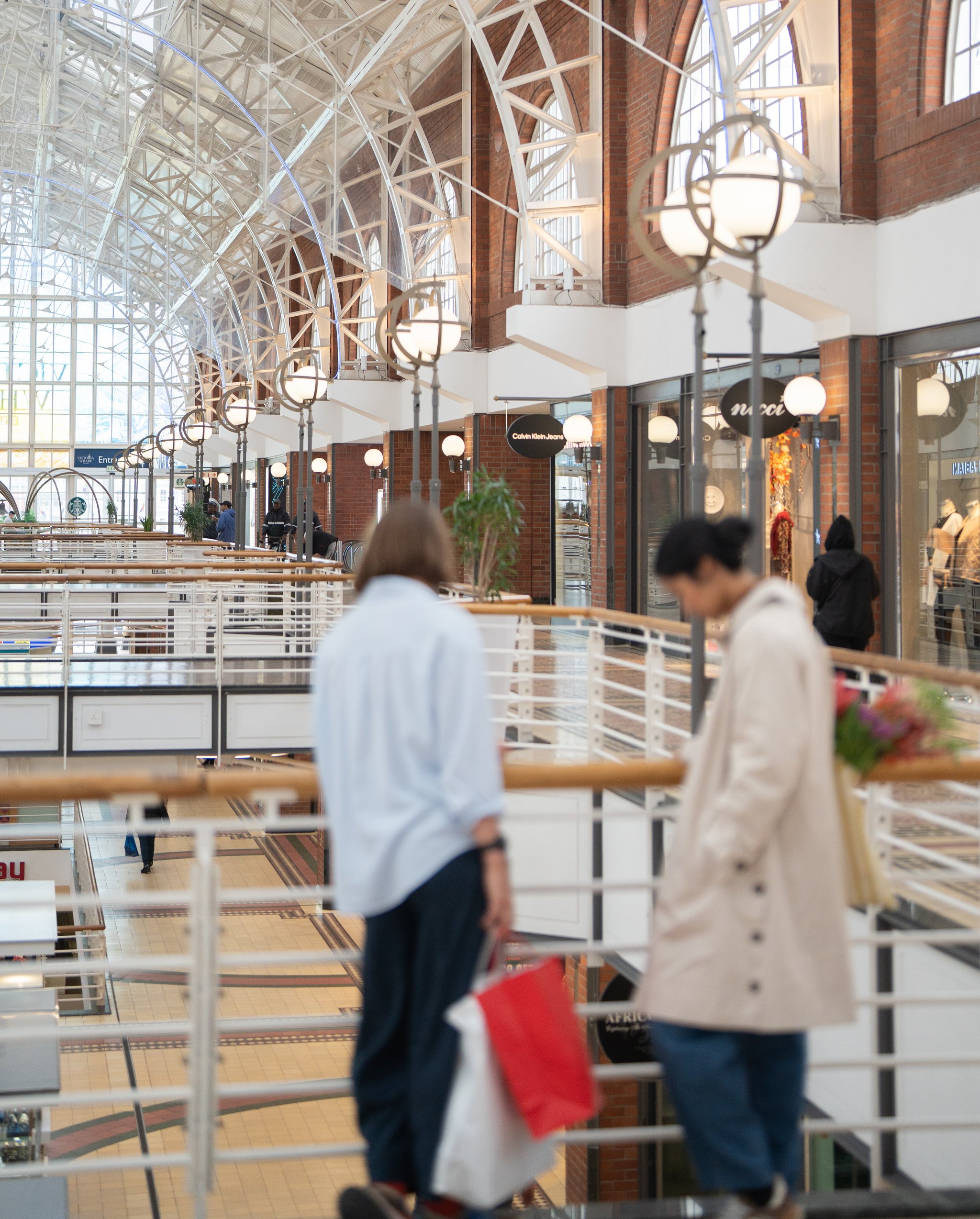
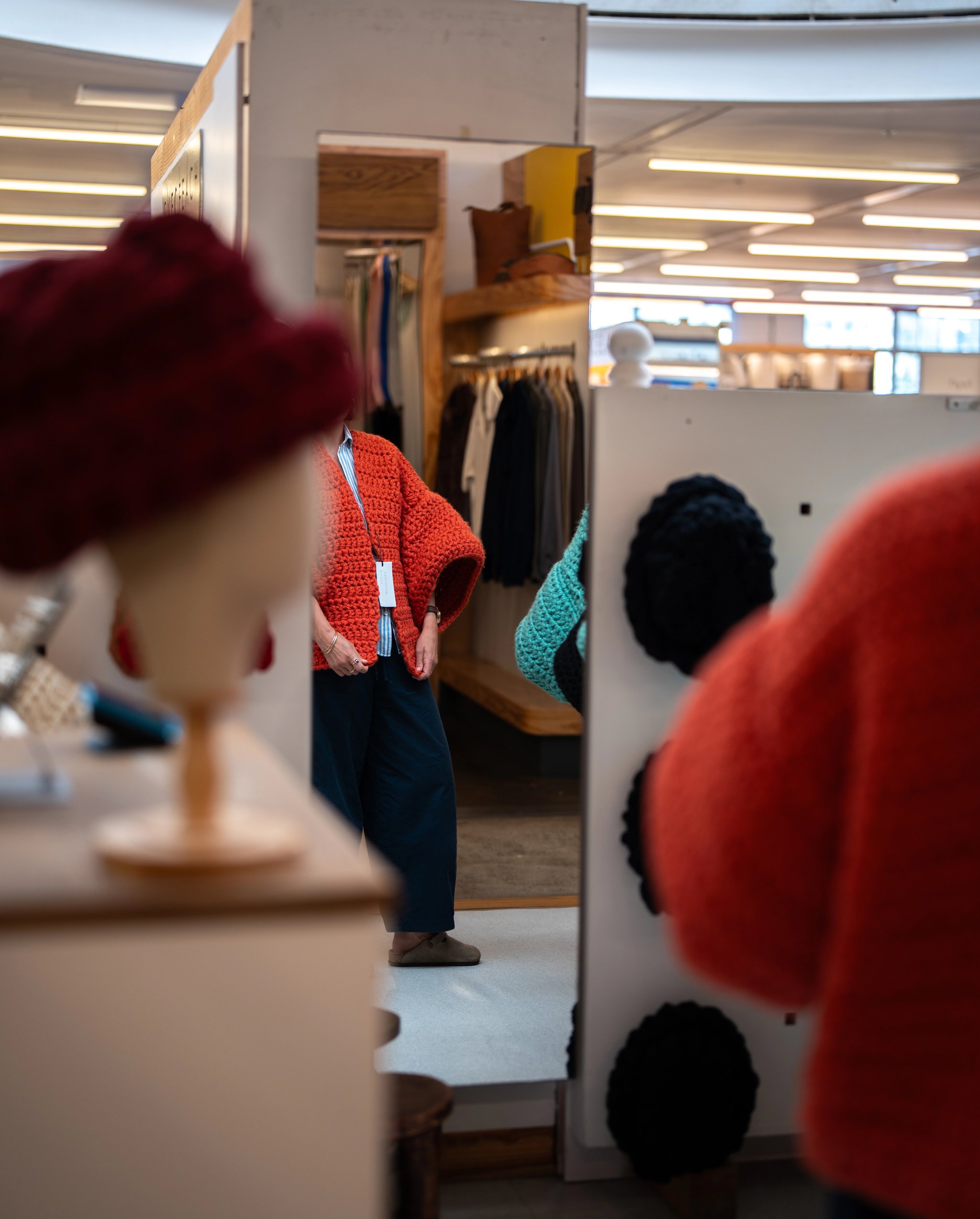
Expect the unexpected. From global brands to unique finds by local makers, there’s something for every shopper. This is world-class shopping with an African twist.
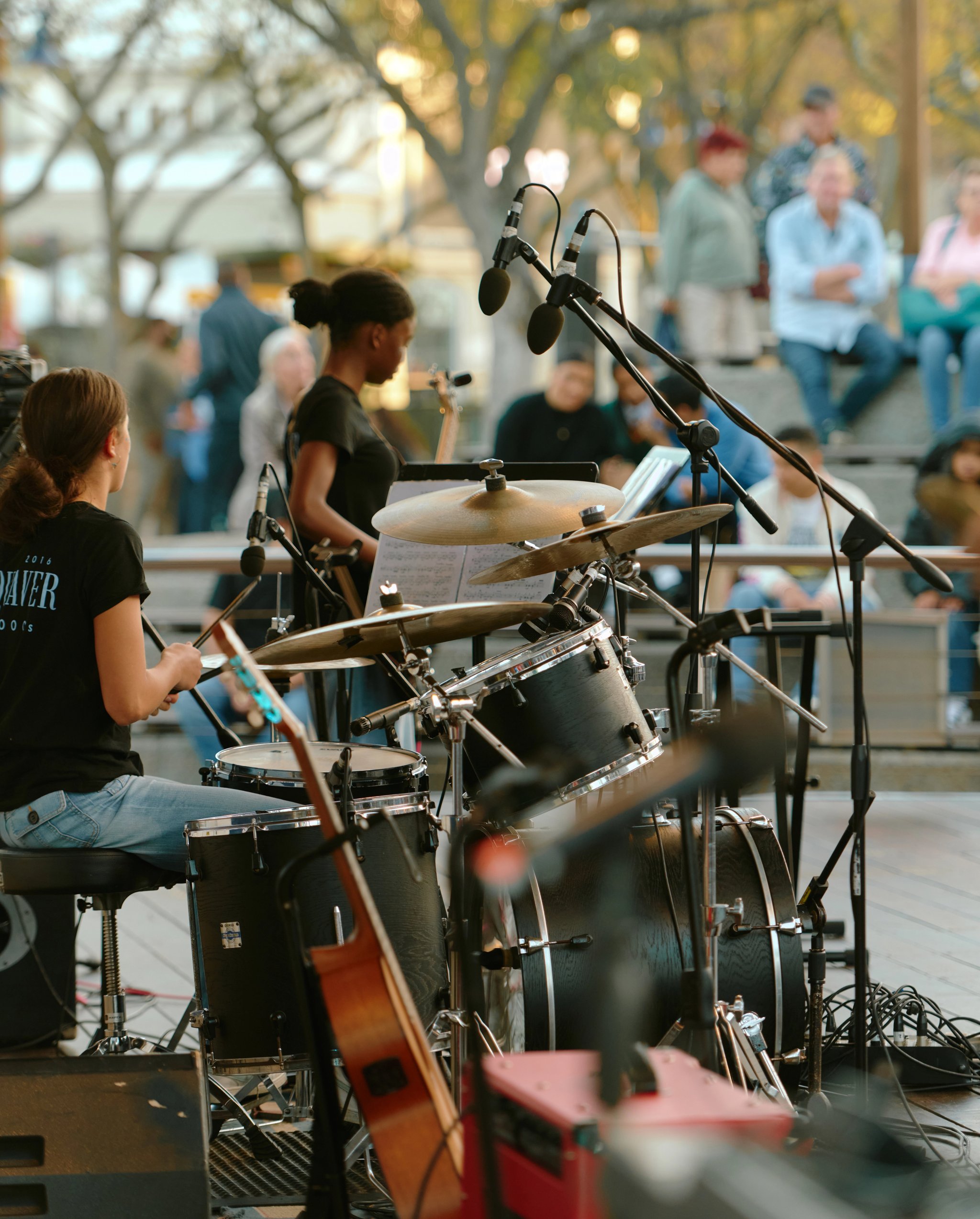
Our neighbourhood is the place to be! From seasonal events to top performances, there’s always something to look forward to. Find out what's on so you can plan your next memorable experience.

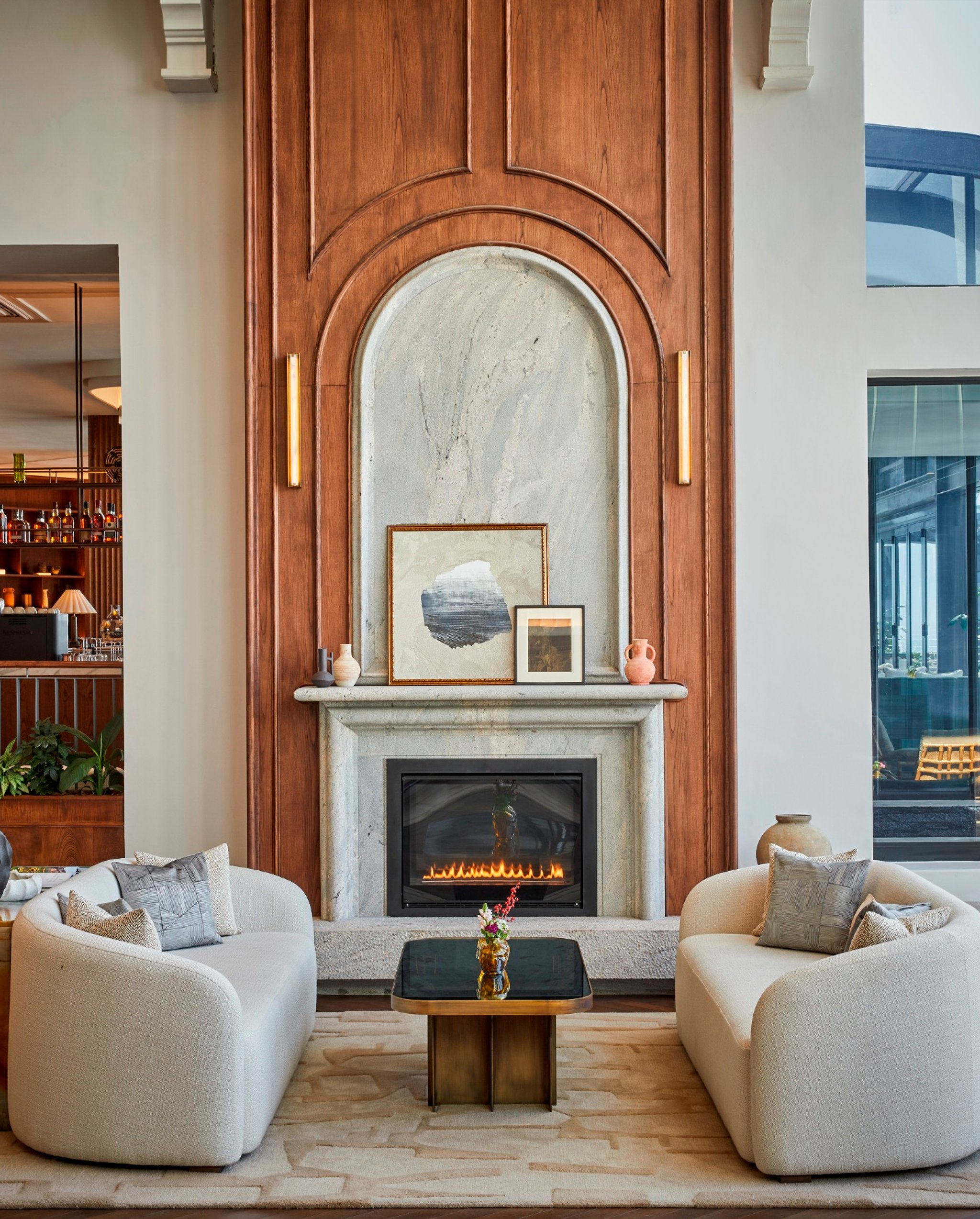
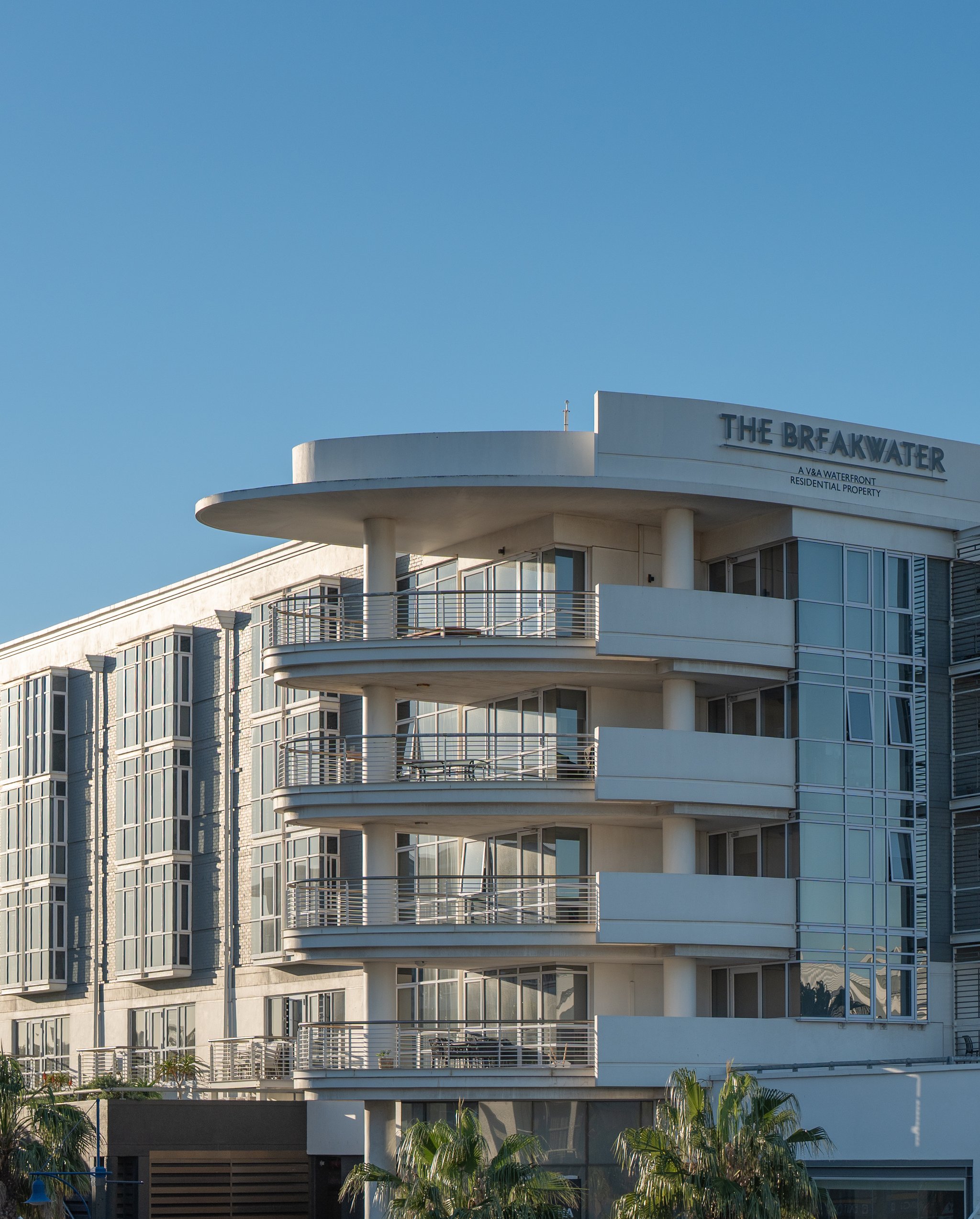
Hotels at the V&A Waterfront offer a unique experience inside a neighbourhood that has been alive for over 160 years.
From intimate boutique properties to five-star resorts, every hotel here sits within a working harbour, a creative economy, and a community where there’s always a reason to stay a little longer.
Wake up to the harbour and enjoy your favourite coffee spot as you experience the convenience of having everything within walking distance.
Living at the V&A Waterfront means living inside one of the most connected neighbourhoods in Africa, with everything that comes with it: security, convenience and a view that never gets old.
At the V&A Waterfront, people come together to work, visit, create and belong. More than a destination, it's a neighbourhood of opportunity, supporting 30,000 direct jobs and contributing R45.9 billion to the economy.
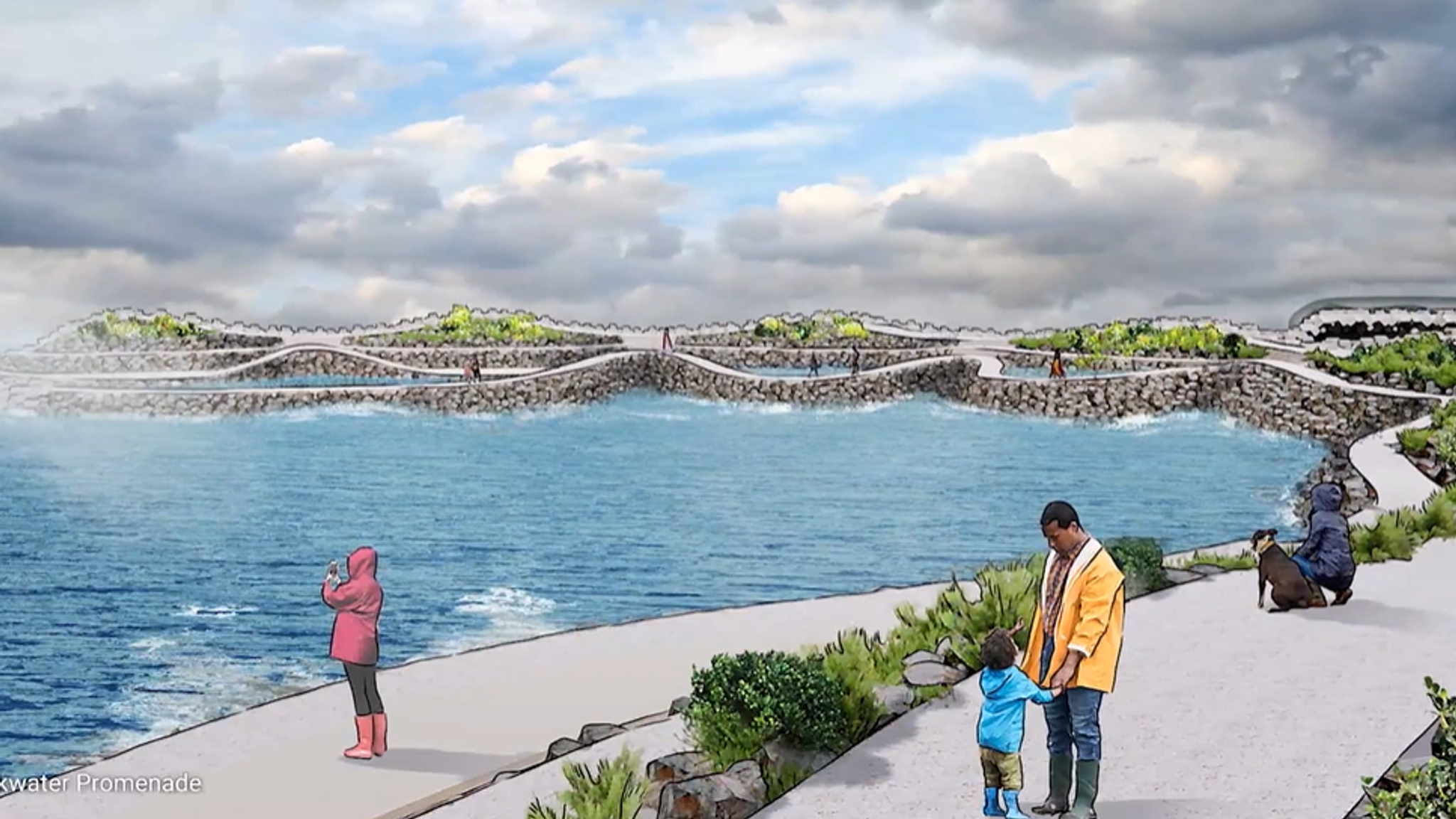
A new stretch of Cape Town’s Atlantic coastline is being opened up to the city. Over the next 15 to 20 years, this R20 billion-plus development will bring new homes, hotels, jobs, public space and a protected bay for swimming, kayaking and boating. A 540-metre seawall will help protect the coastline, while a new coastal walkway will connect the V&A directly to the Sea Point promenade.
That’s one of the reasons we have created Our Better Nature – a campaign that encourages tenants, and visitors be the change they wish to see in the world, so that together we can create a beautiful future, on a thriving earth, for ourselves and future generations. The thinking is that when we all act from our better nature, nature gets better.
The Slow Fashion Festival that was held at Watershed last month was focused on this same mindset. Hosted by Twyg – a platform that promotes a sustainable, circular, regenerative, caring and ethical way of being – the full-day programme on Saturday 17 August was filled with everything from presentations and panel discussions to workshops, demos and clothing swaps. Its aim was to inspire people on their sustainable fashion journey, providing them with helpful information and usable skills, while giving a new life to the clothes that they already own.
“The growing interest in this movement is significant. It tells us that people are becoming aware of the runaway overconsumption that characterises the current fashion system. We are delighted to be playing a small part in informing and inspiring people about an alternative – better – way to engage with style and fashion.” Says Twyg Founder Jackie May of the success of the Slow Fashion Festival
It is a known fact that the fast-fashion industry overproduces clothing for a hyper-consuming world. Meaning, we no longer cherish our clothes, and dispose of them easily as they have become so cheap to replace. This fashion system is also a big contributor to workforce inequality, pollution, unnecessary waste to landfill and carbon emissions. The Slow Fashion Festival made more people aware of this issue while giving them the chance to be taught by crafters and skilled menders on how to fix their old clothing, saving their preloved wardrobe from going into the non-planet-friendly bin.
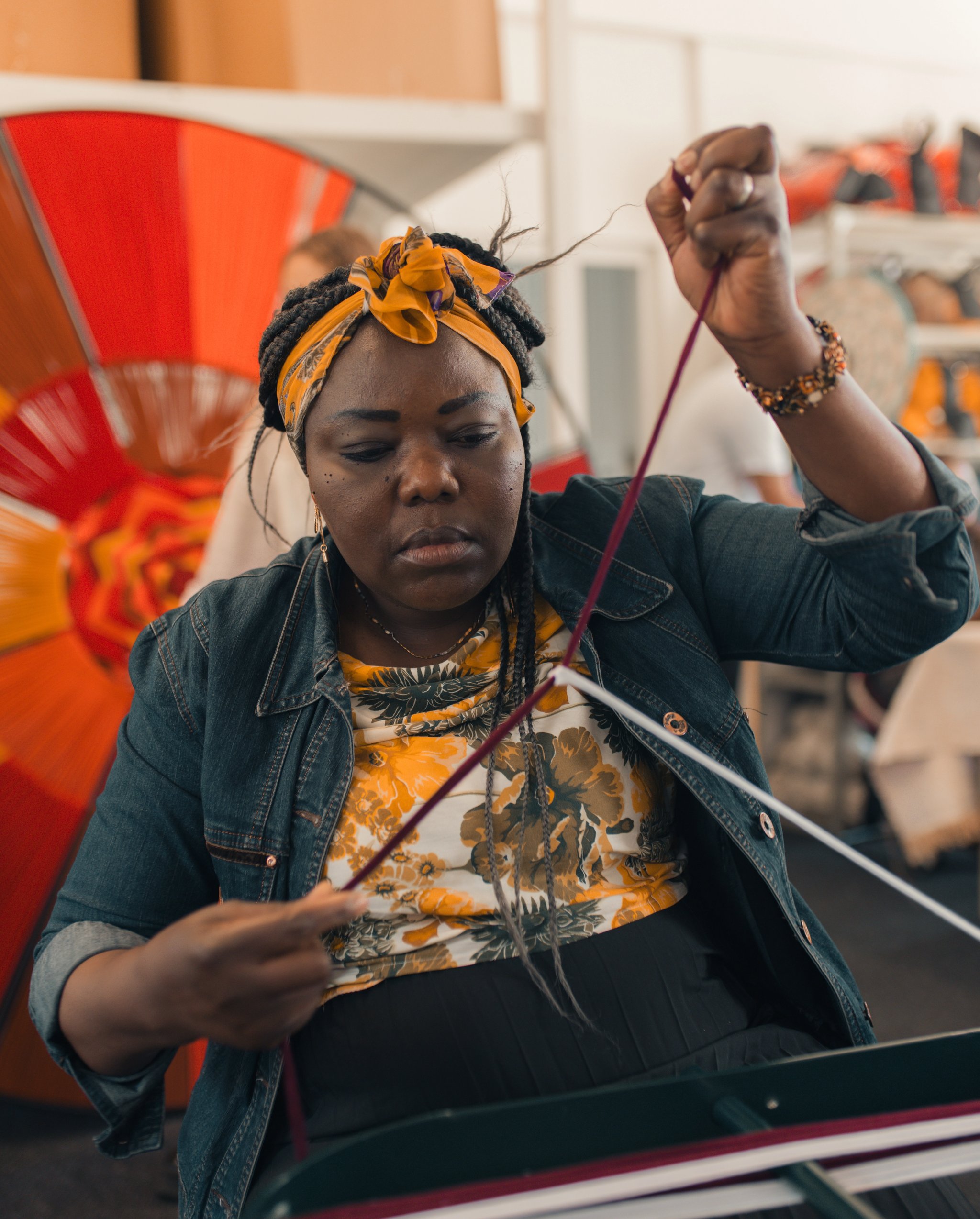
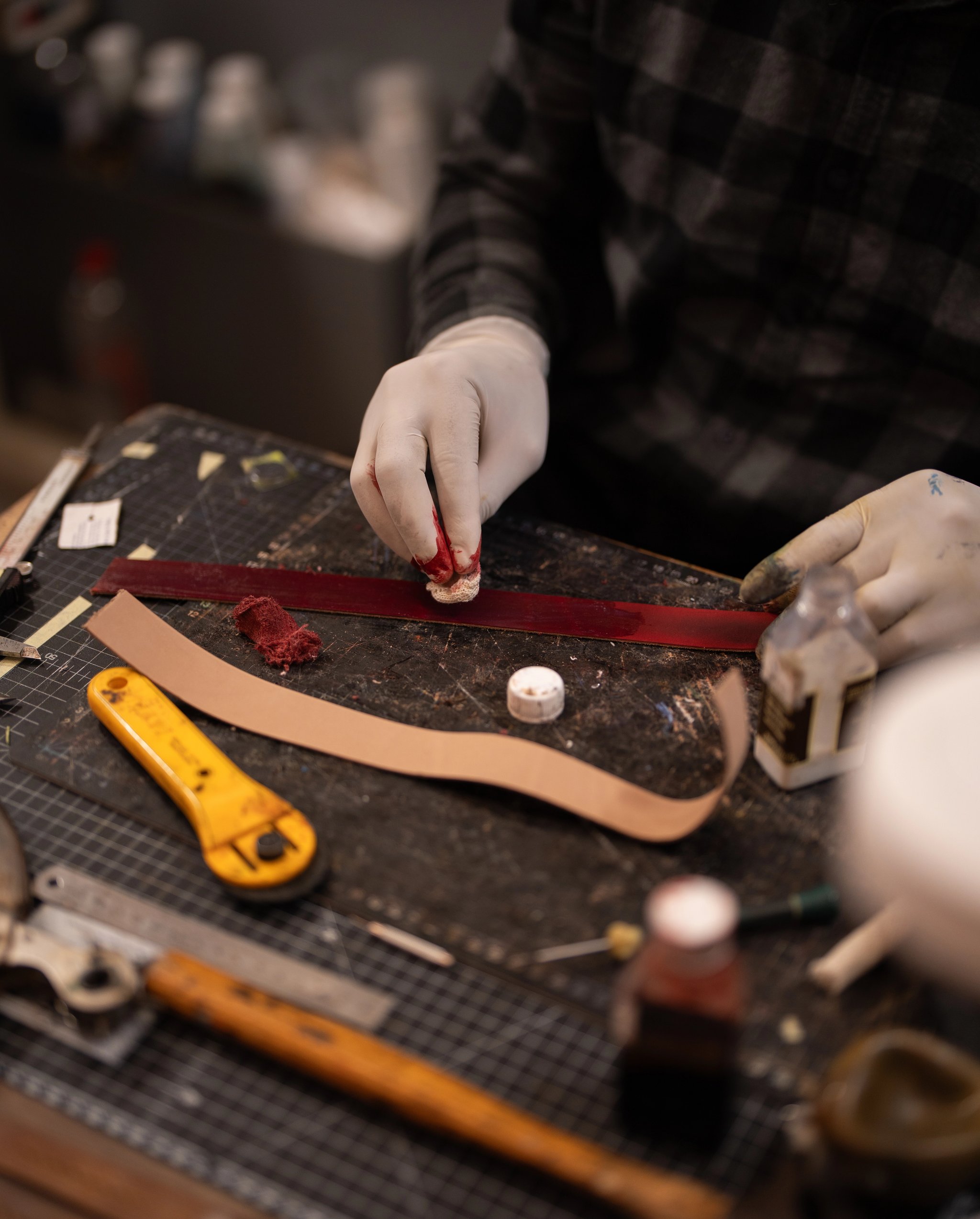
Even though Watershed houses so much more than just fashion, sustainability is built into the DNA of the space that celebrates Cape Town’s design story. From homeware and décor items, to accessories and jewellery, musical instruments and art, there’s a thread of planet-consciousness that runs through the work produced by local designers, makers and artisans, many of whom attended the day’s events too. Watershed tenants Helon Melon, One of Each, Artclub & Friends, Research Unit and Our Earth Age even formed the fascinating panel discussion on ‘Running a Sustainable Fashion Business, Sustainably’.
One of the aims of the Slow Fashion Festival was to highlight ways of adopting sustainable fashion practices in the industry. ‘The biggest challenge is competing with global multi-national organisations who have huge budgets to market (and sell) fast fashion,’ Jackie explains. ‘To overcome this, we need to keep working at spreading our messages about slow fashion. We also need to influence fast-fashion organisations to do better, and advocate for policy that will enforce more sustainable practices.’
She offers practical tips for individuals to incorporate sustainability into their daily lives. ‘Shop your wardrobe,’ she says. ‘Most people have clothes in their wardrobes that they don’t wear, so learn to enjoy repairing your clothing, and understand and develop your own style.’ She also advises retailers to be more aware of their footprint. ‘Businesses could offer repair services and responsible ways for people to recycle their clothing at the end of life,’ she offers by way of example.
The Slow Fashion Festival had participants learning how to make a zero-waste T-shirt with Cape Town Craft Club, were taught by Thimbles how to hand-quilt using scrap fabric, created their own mending kits, and took part in a screen-printing workshop hosted by Good Good Good.
From 15-17 August, Twyg hosted the Africa Textile Talks at Watershed, featuring makers and thinkers from South Africa and across the continent who are shaping the future of the textile industry – often by reflecting on the past – into a positive, post-fossil-fuel future. This year, the focus was on textile practices that could help us to live in harmony with nature. ‘These talks were incredible,’ says Jackie. ‘Especially our guests from Côte d’Ivoire (Johanna Bramble), Nigeria (Nkwo Onwuka) and Uganda (Josephine Mukasa), who spoke about their sustainable, traditional and artisanal fashion and textile-making practices. I was inspired by them and learnt from them too.’
If you’re interested in being part of the slow-fashion movement, consider shopping at Watershed, where every item is designed and produced locally, lessening the carbon footprint of these local design products. Their high-quality materials and production ethos ensures that they will last for years, promoting a shift away from throw-away culture, toward a deeper appreciation for crafted design from Cape Town and South Africa.
Watershed is open seven days a week, from 10am to 7pm in the spring/summer months (6pm in winter).
We’d love to hear from you.
Whether you’re exploring a new career with us, interested in becoming a tenant or business partner, or just have a question, we’re here to help.