Arts & CultureThings to Do
Robben Island Tour Guide: V&A Waterfront Departure
17 November 20264 Min read

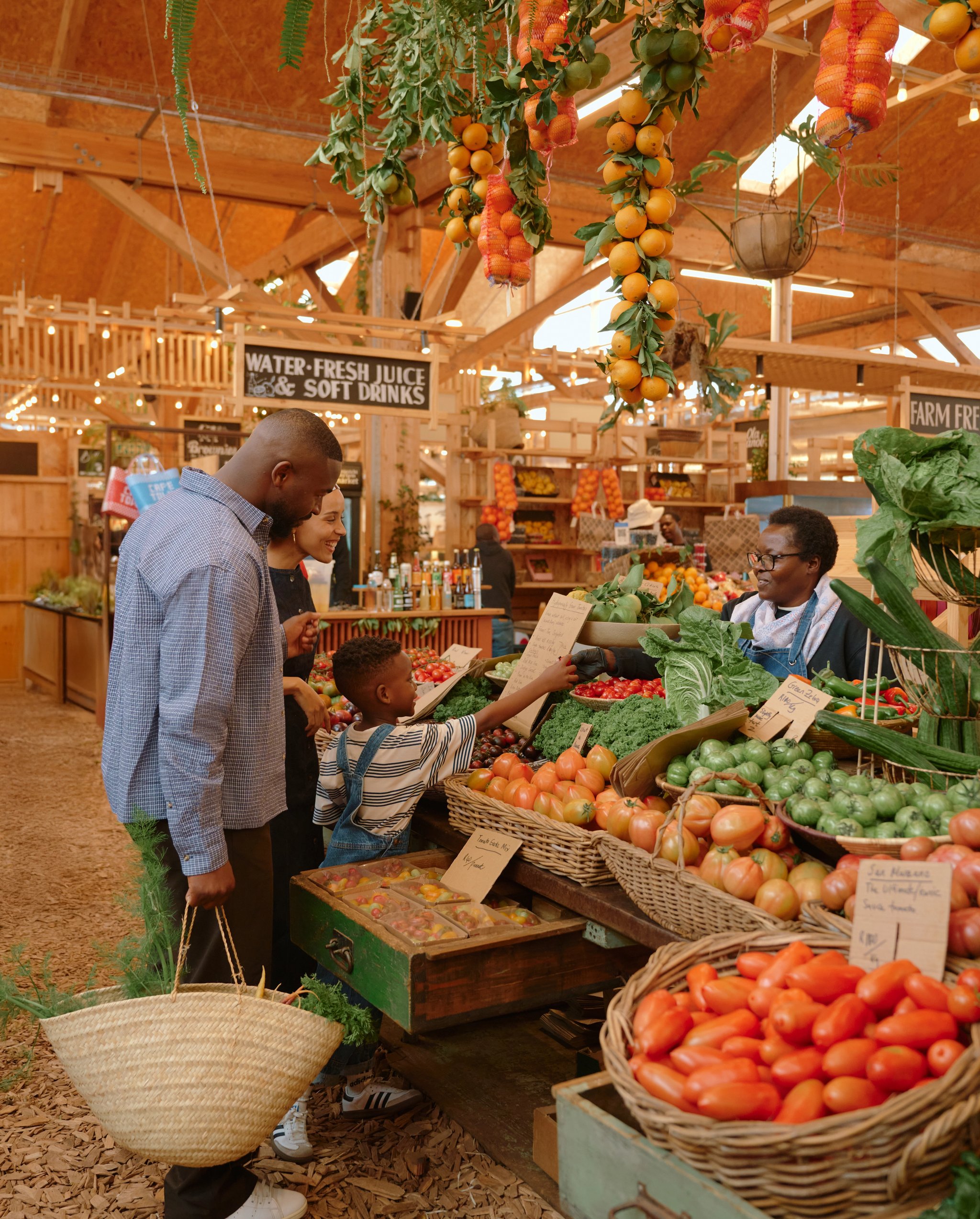
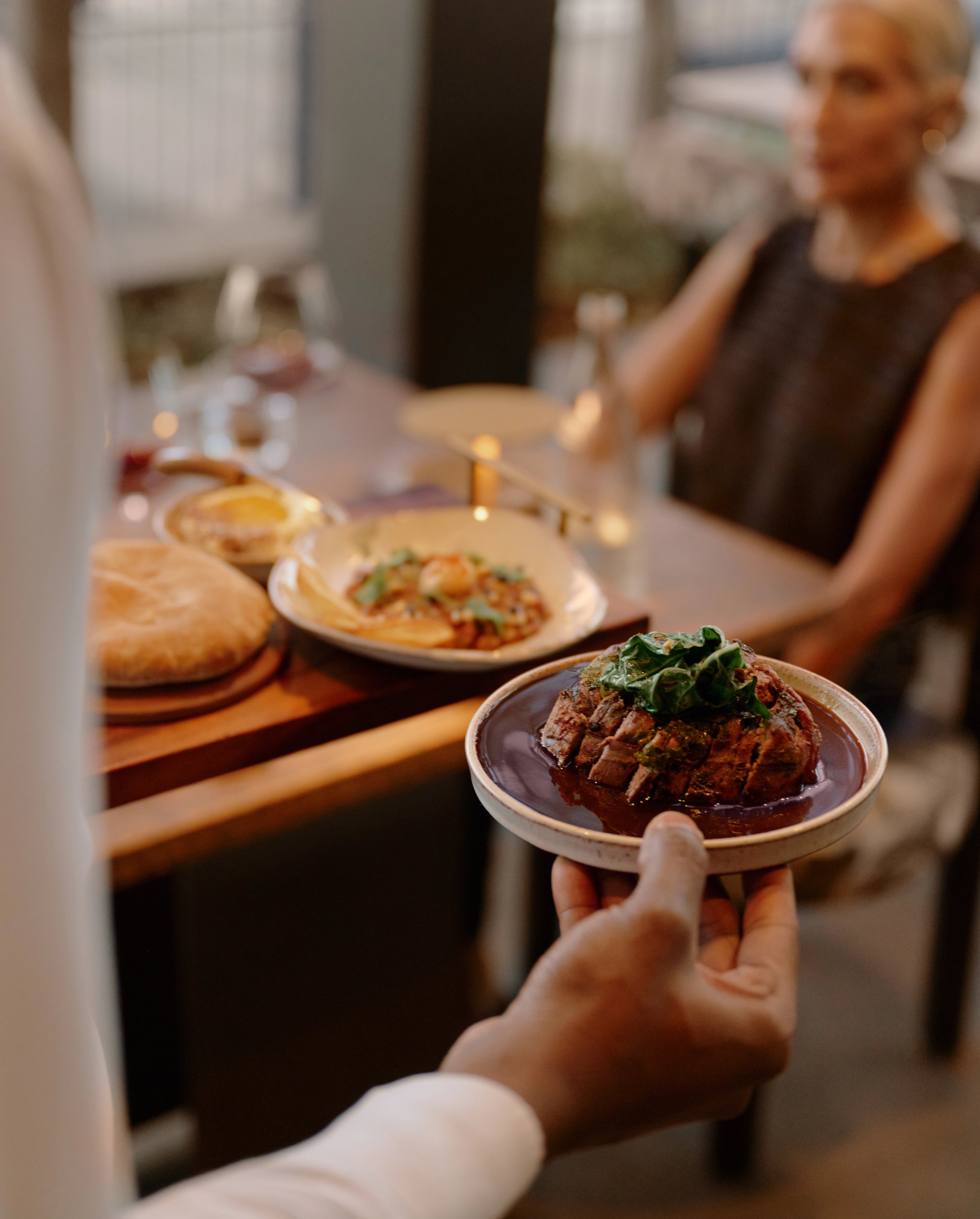
From quick bites to leisurely meals, the V&A Waterfront offers something for every appetite. Grab a coffee between stops, settle in for a sunset dinner, or explore flavours from around the world.
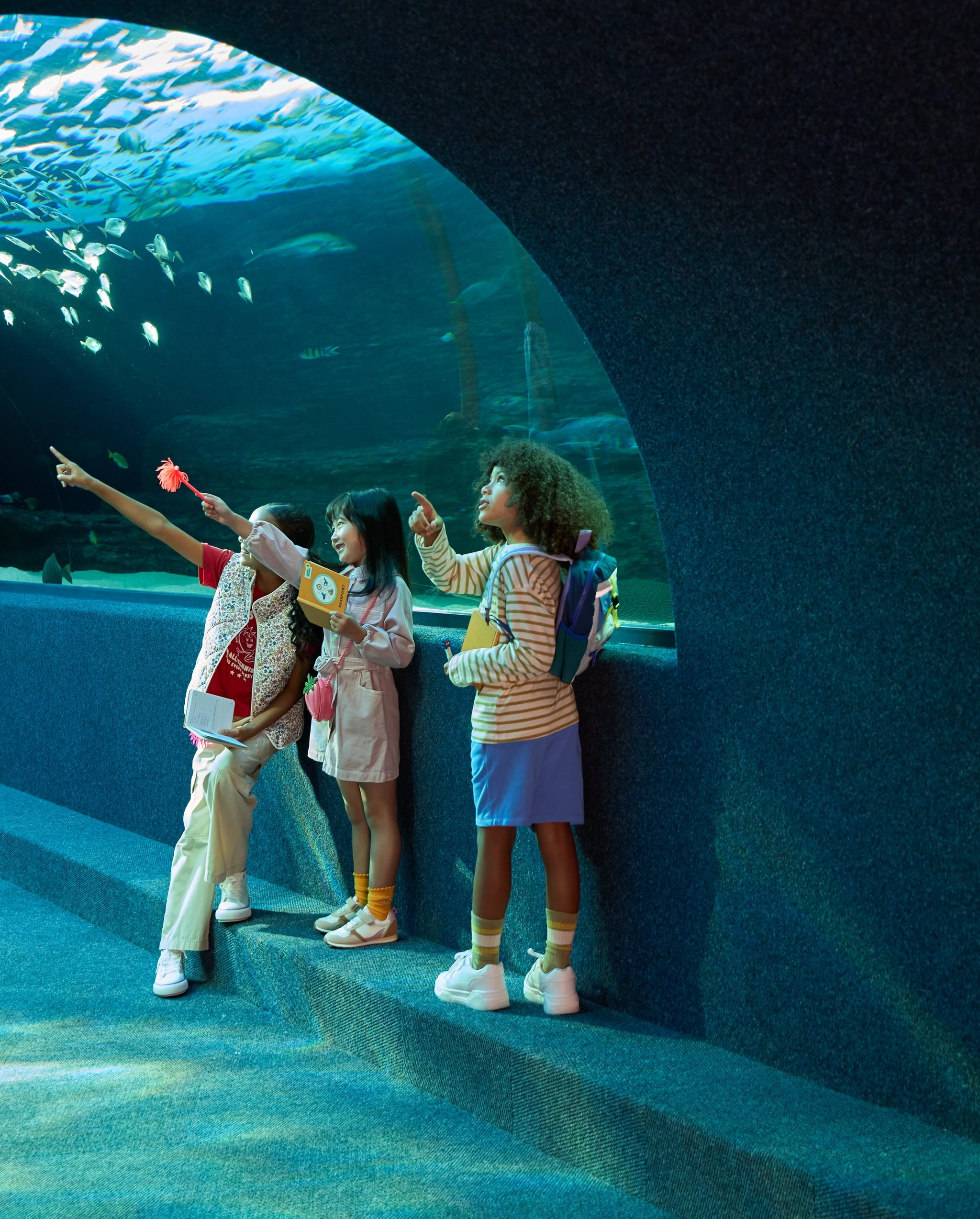
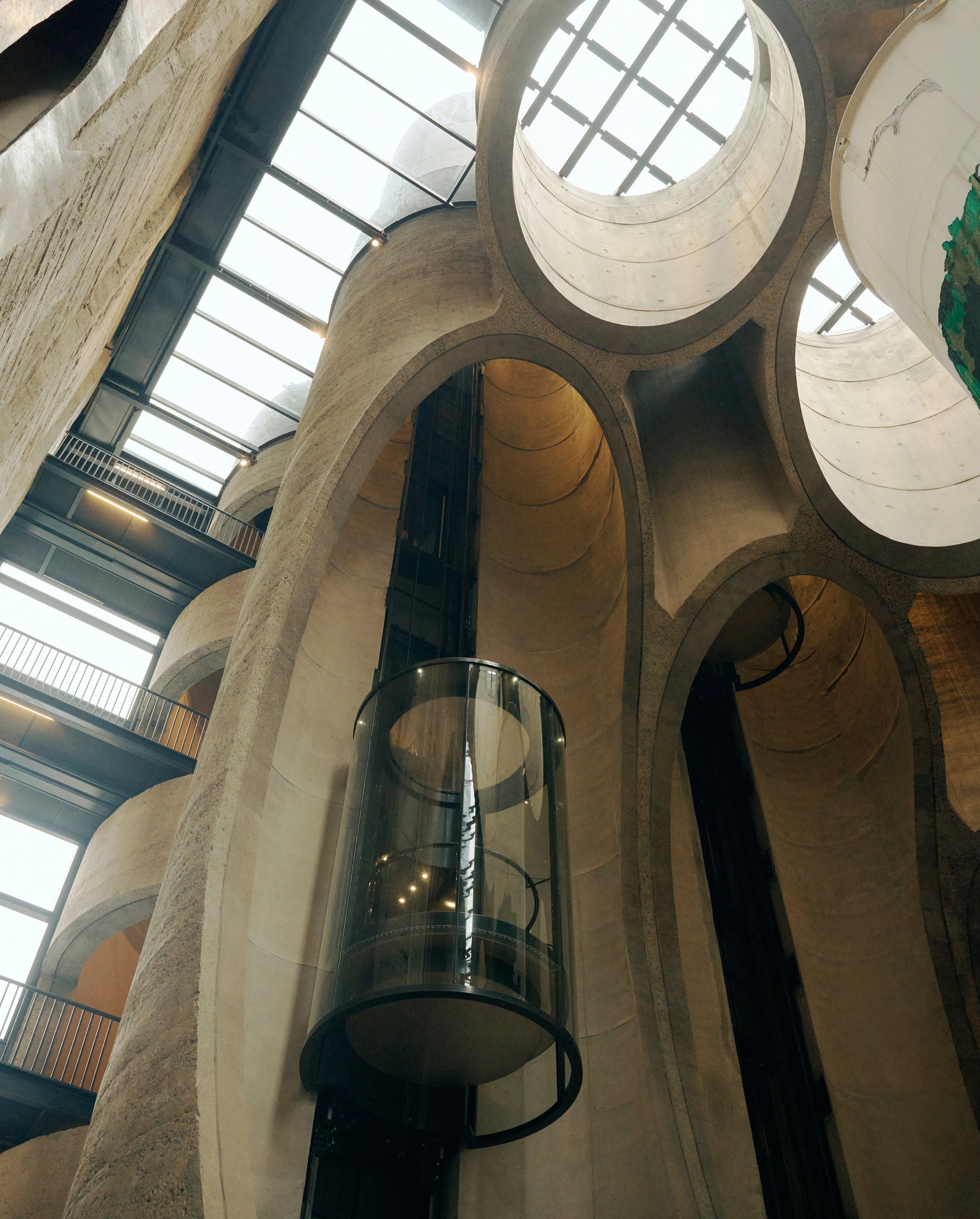
A neighbourhood that’s yours to discover. From world-class museums and iconic attractions to harbour gems, there are memorable experiences around every corner. Whether it's your first visit or your daily fix, there's always a new reason to explore.
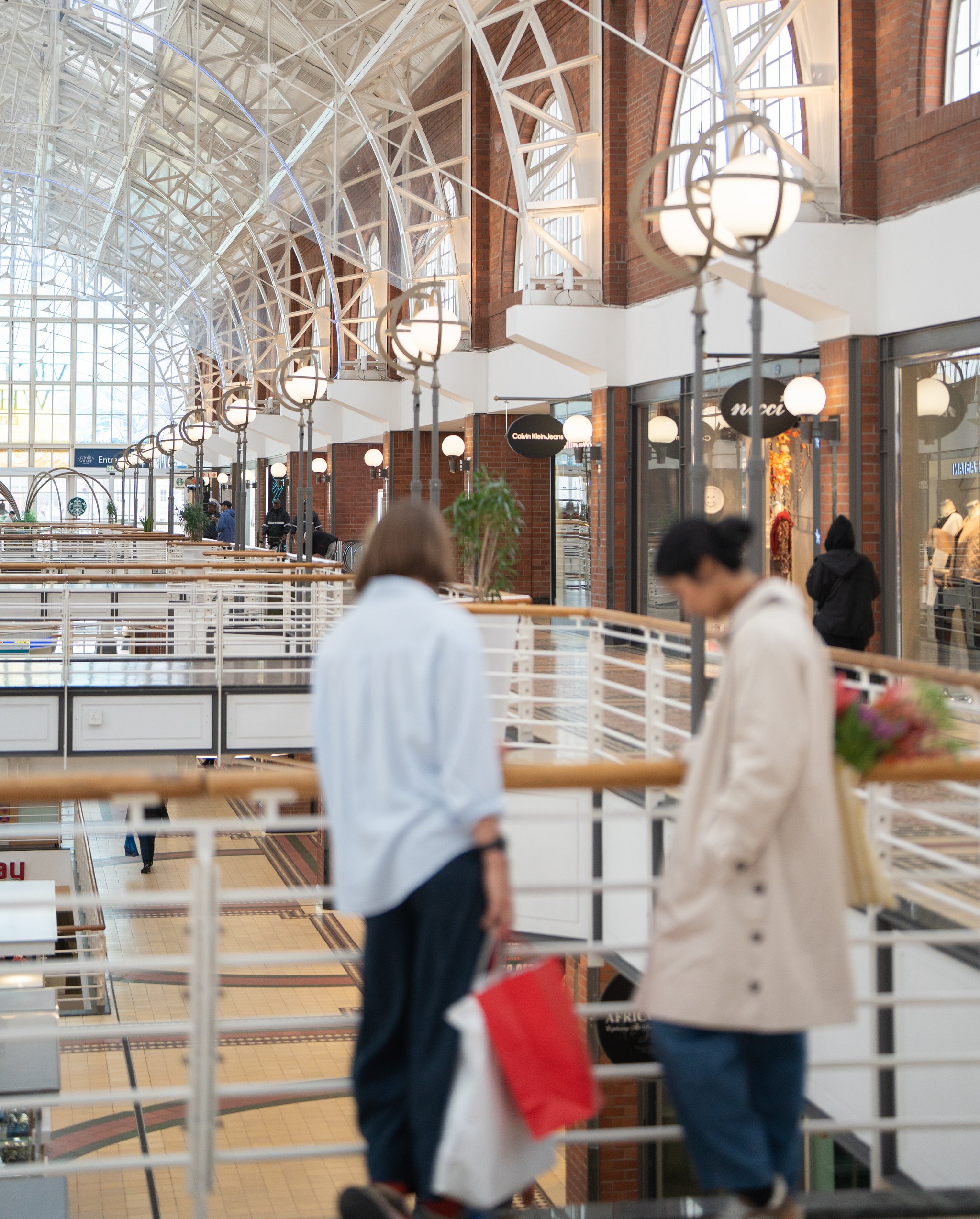
Expect the unexpected. From global brands to unique finds by local makers, there’s something for every shopper. This is world-class shopping with an African twist.

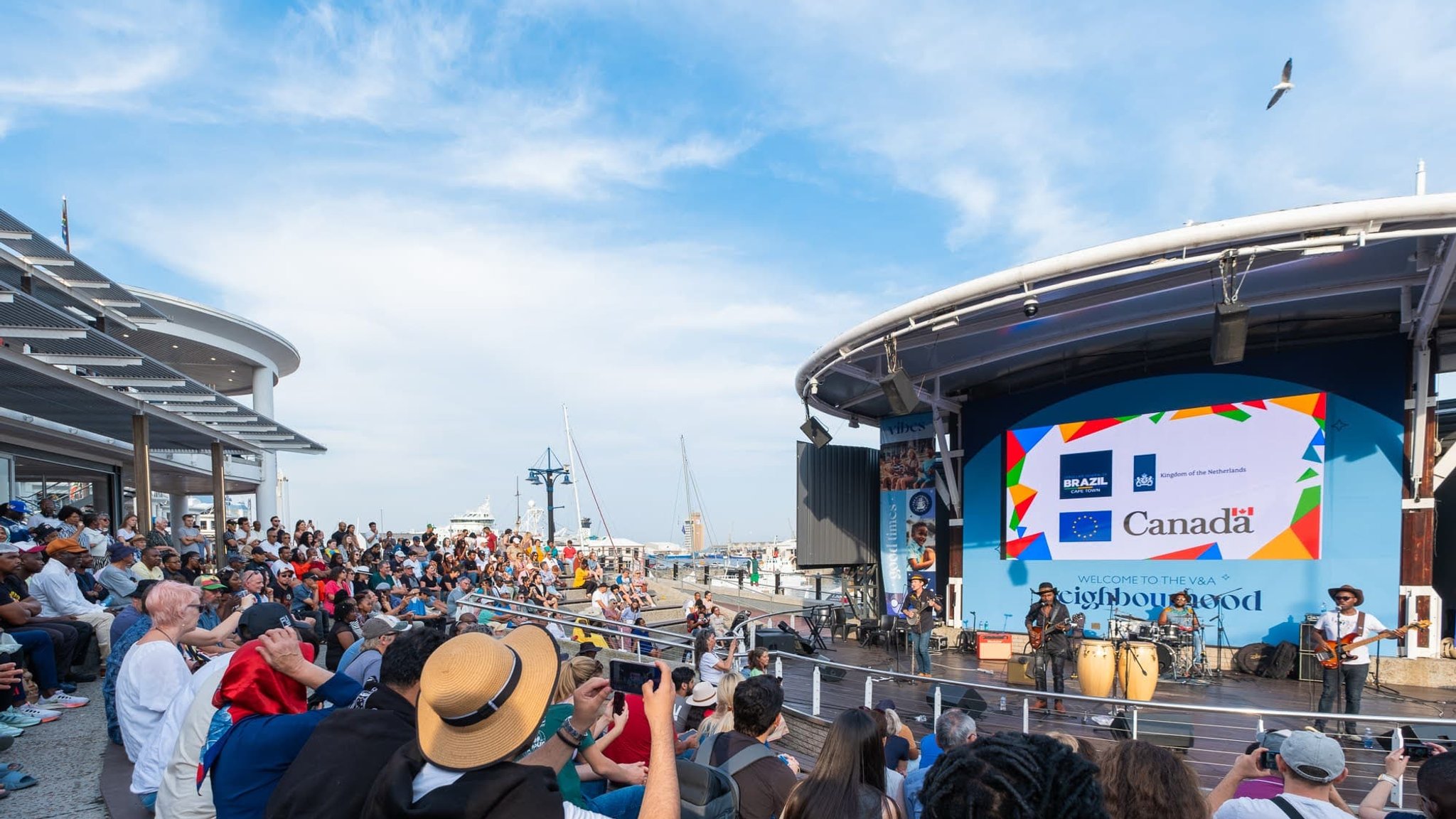
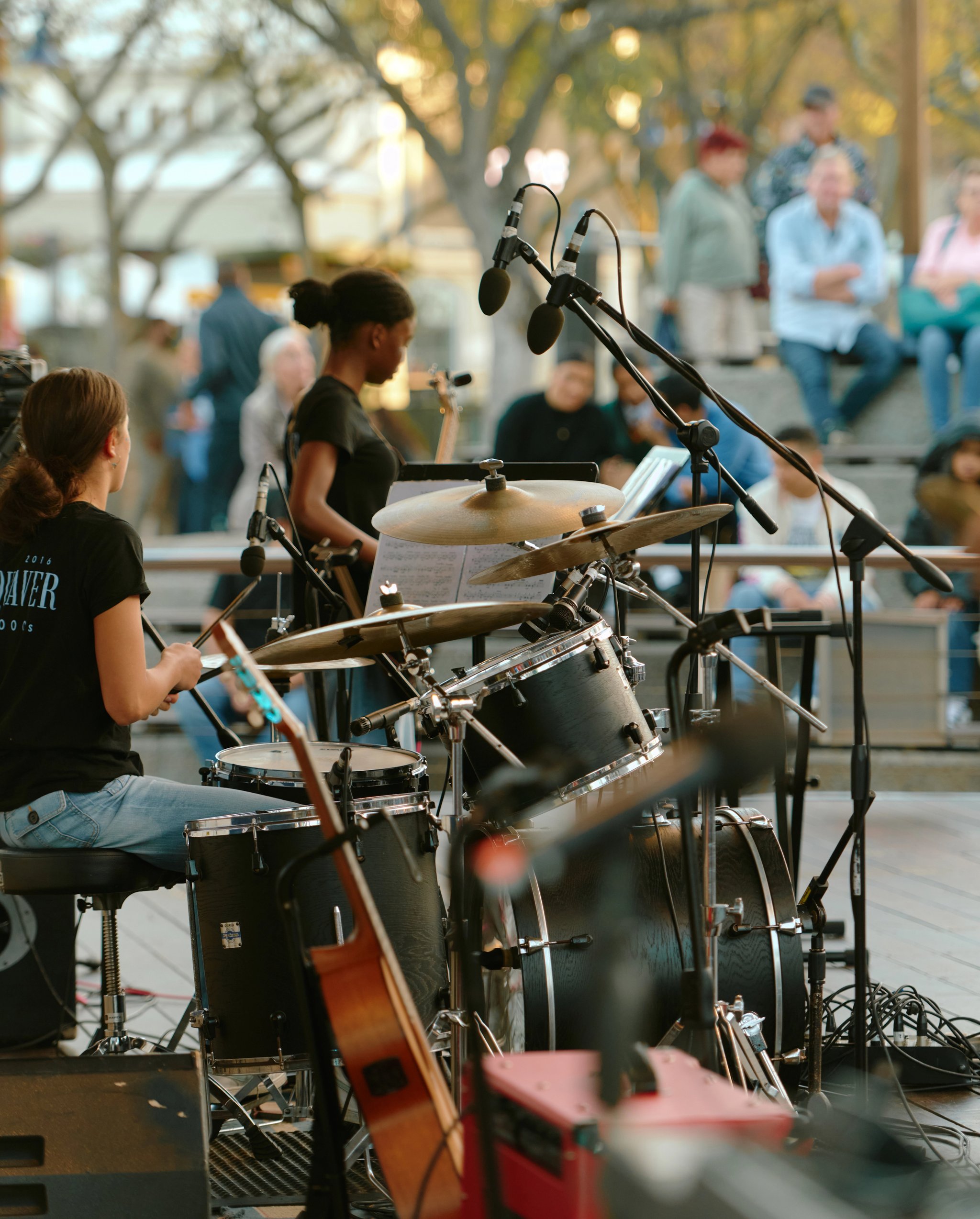
Our neighbourhood is the place to be! From seasonal events to top performances, there’s always something to look forward to. Find out what's on so you can plan your next memorable experience.

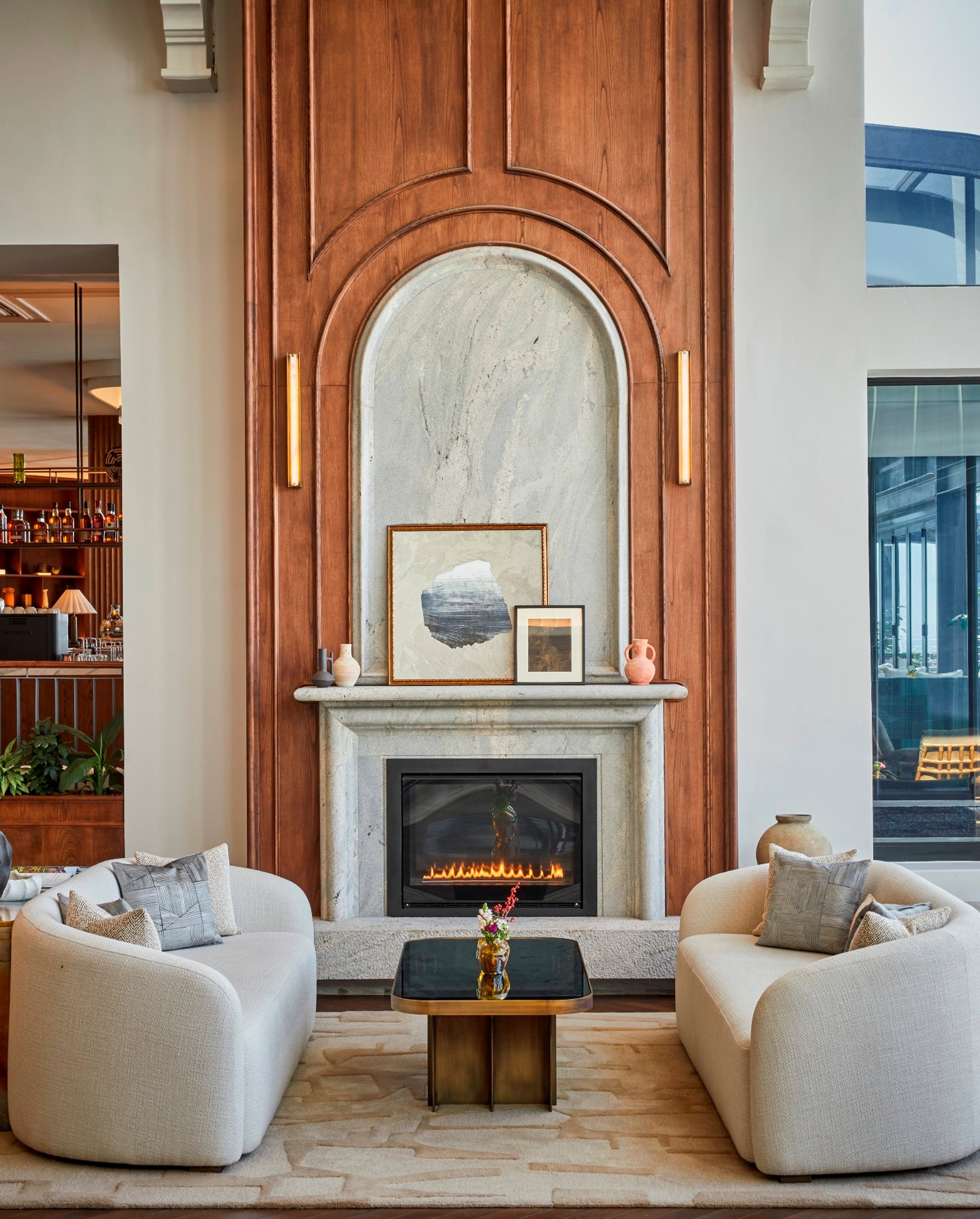
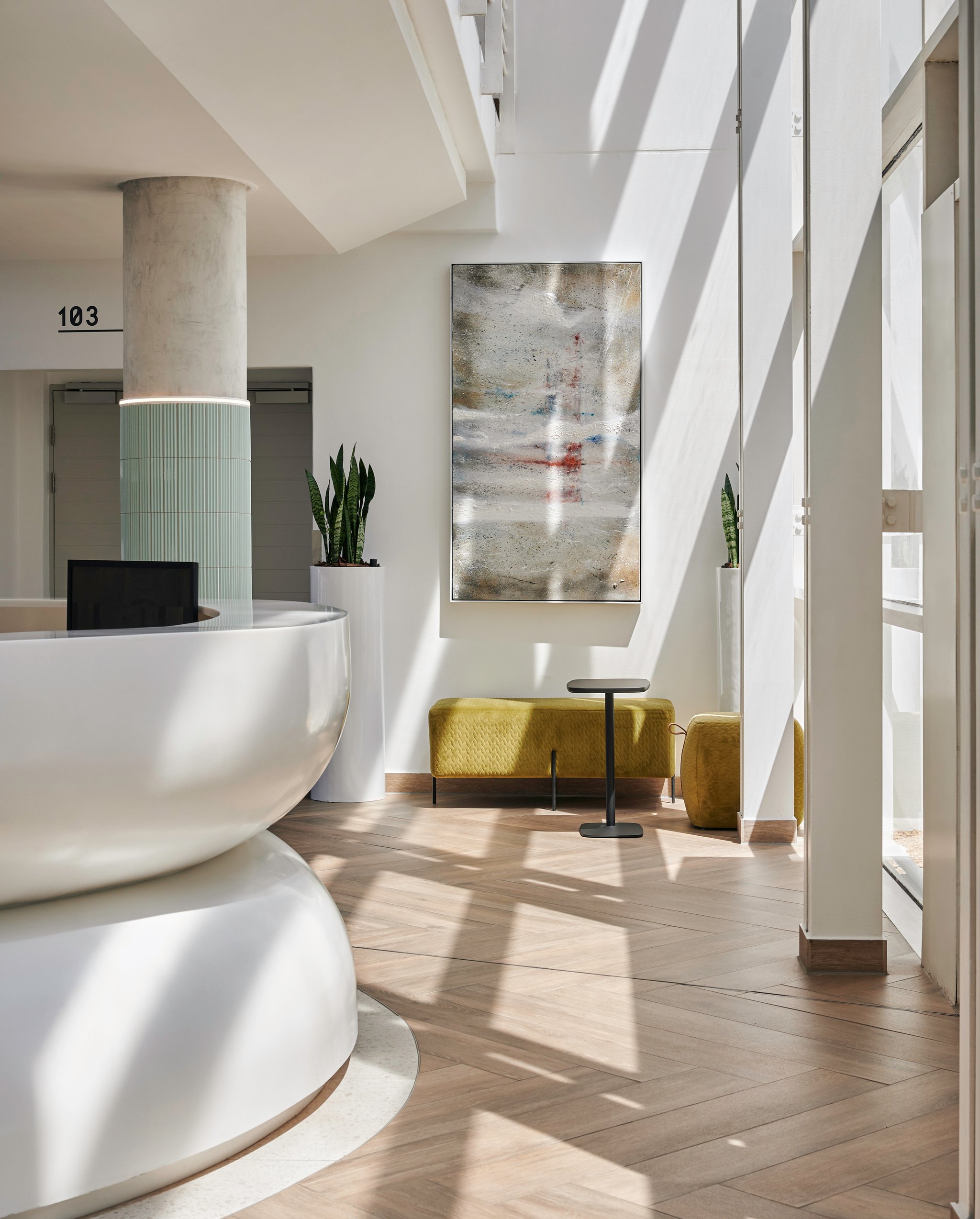
Hotels at the V&A Waterfront offer a unique experience inside a neighbourhood that has been alive for over 160 years.
From intimate boutique properties to five-star resorts, every hotel here sits within a working harbour, a creative economy, and a community where there’s always a reason to stay a little longer.
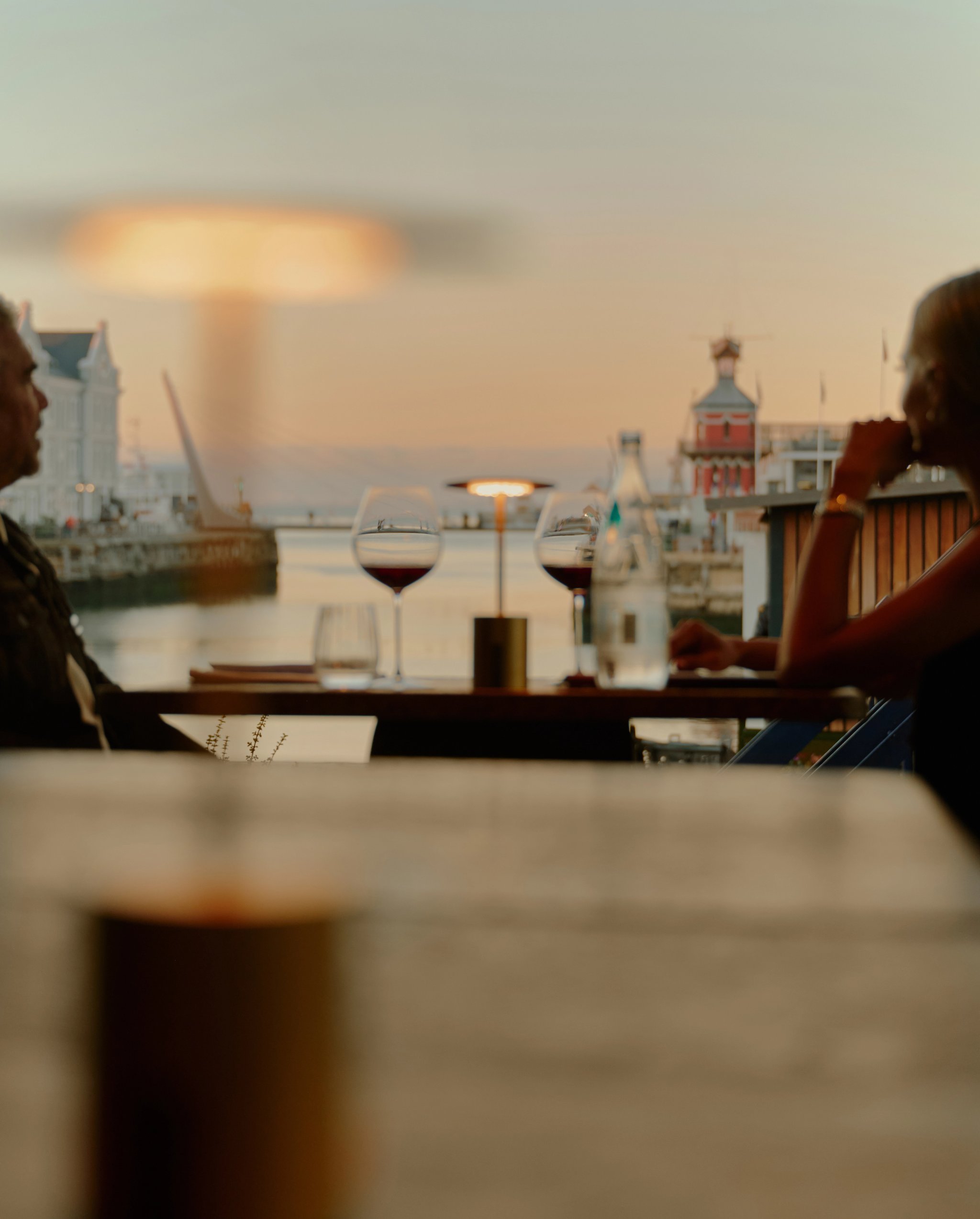
Wake up to the harbour and enjoy your favourite coffee spot as you experience the convenience of having everything within walking distance.
Living at the V&A Waterfront means living inside one of the most connected neighbourhoods in Africa, with everything that comes with it: security, convenience and a view that never gets old.
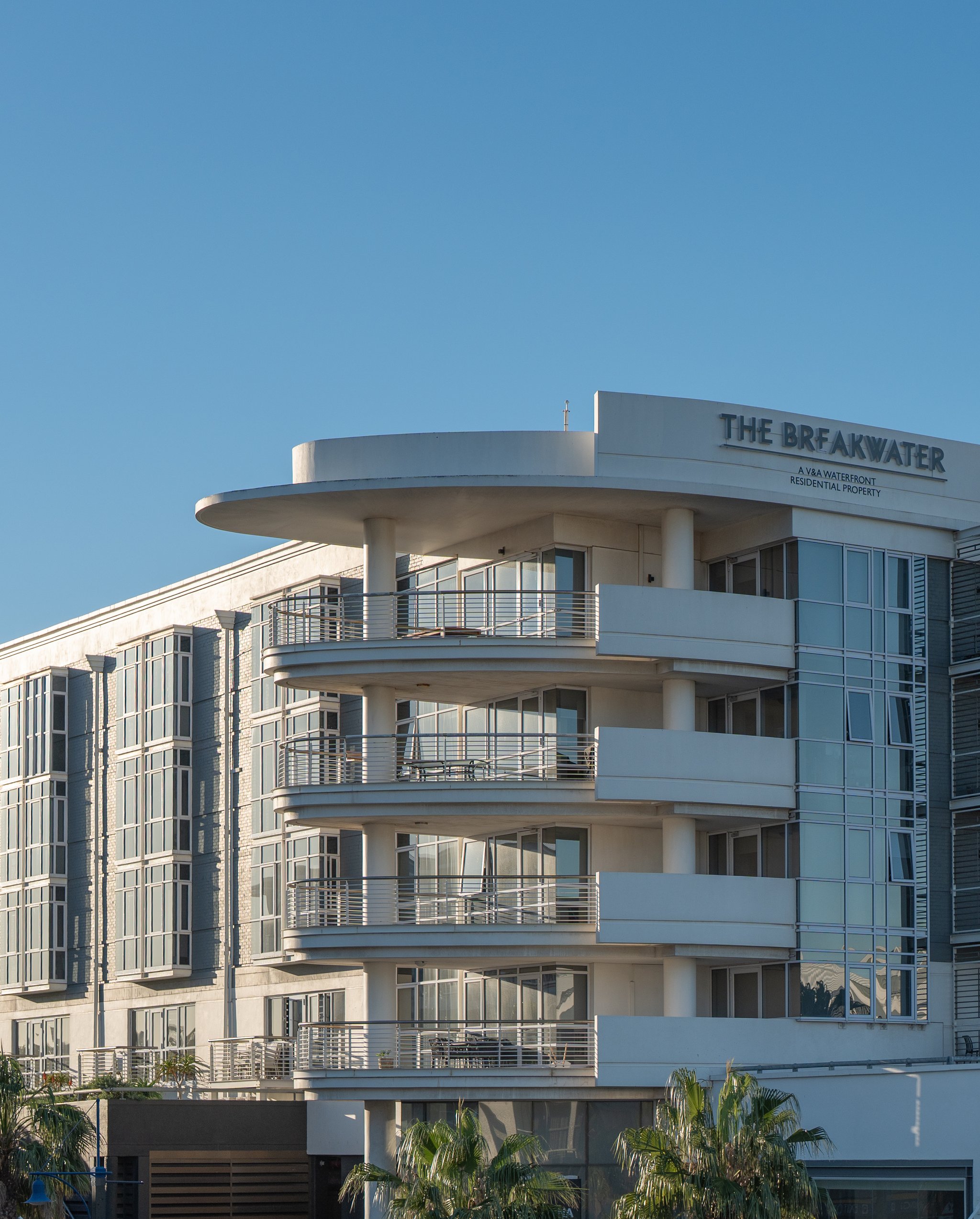
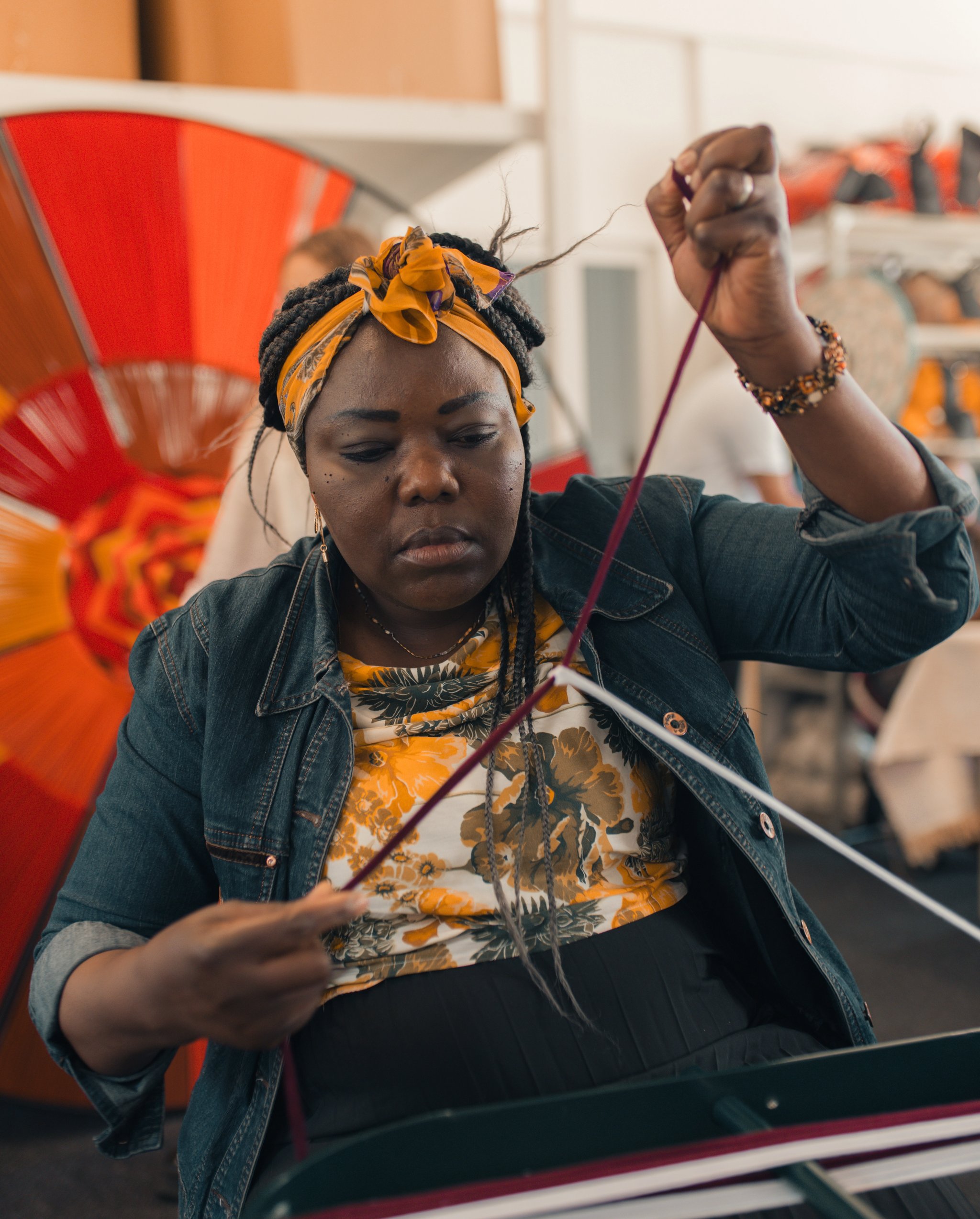
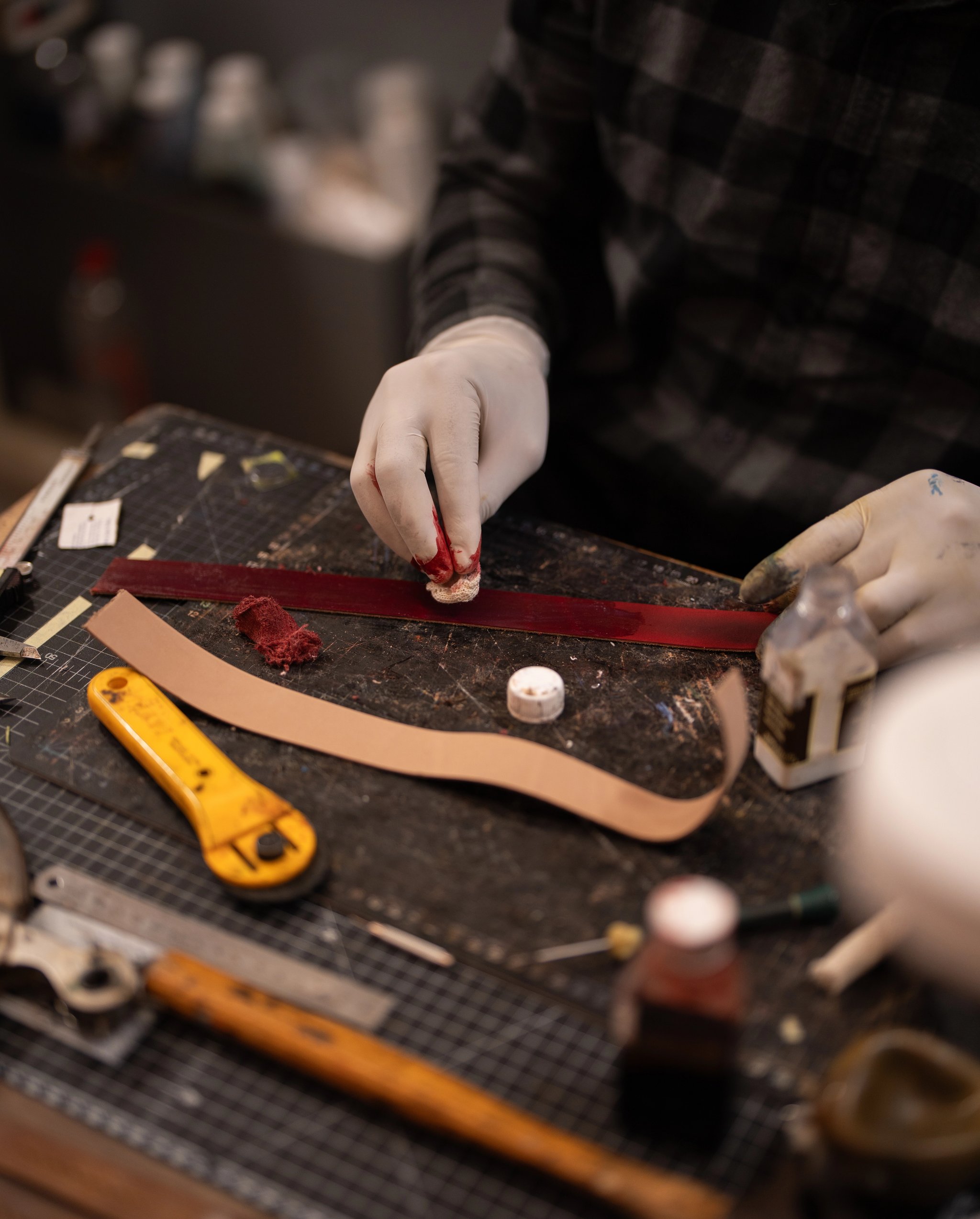
At the V&A Waterfront, people come together to work, visit, create and belong. More than a destination, it's a neighbourhood of opportunity, supporting 30,000 direct jobs and contributing R45.9 billion to the economy.
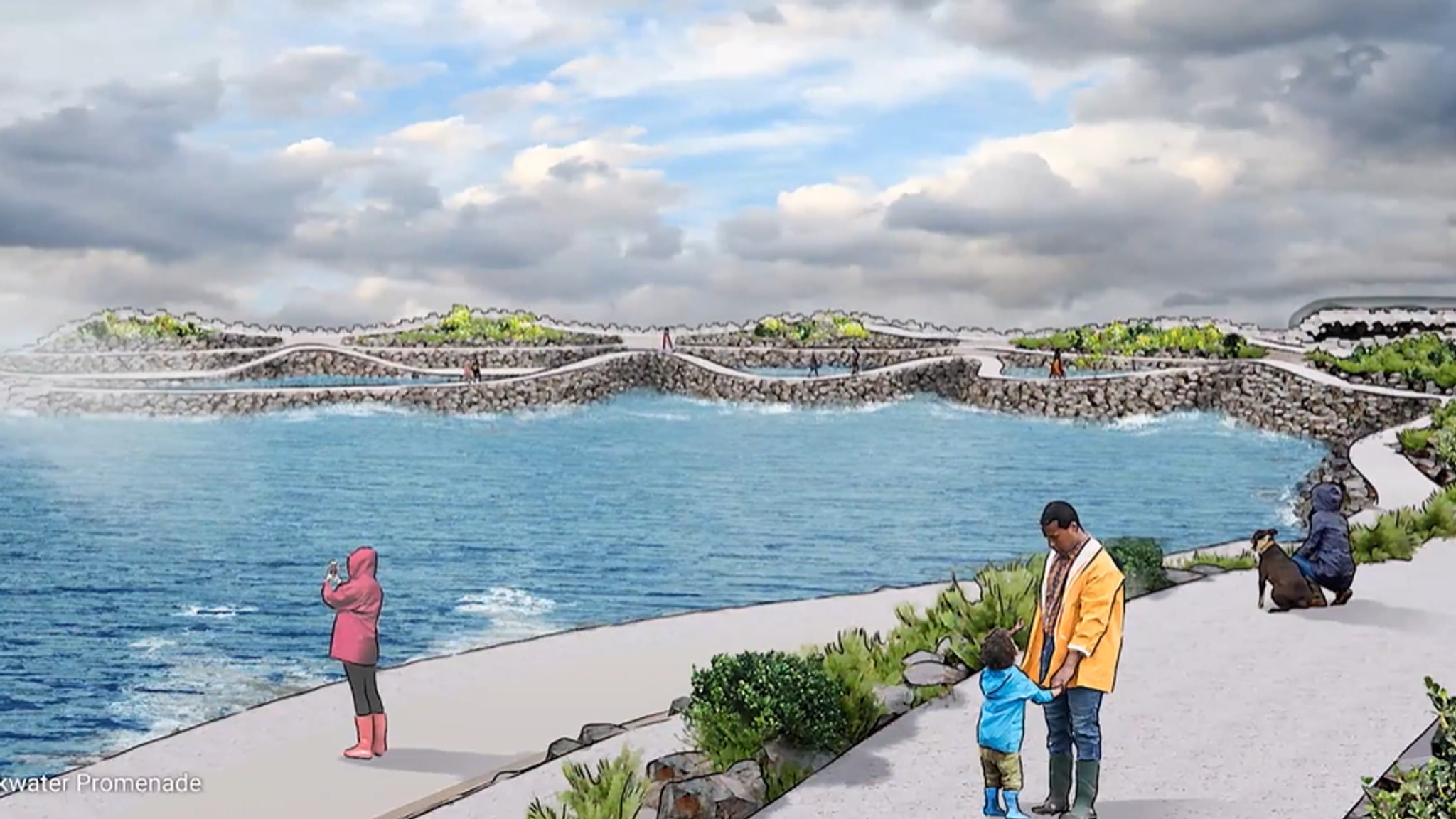
A new stretch of Cape Town’s Atlantic coastline is being opened up to the city. Over the next 15 to 20 years, this R20 billion-plus development will bring new homes, hotels, jobs, public space and a protected bay for swimming, kayaking and boating. A 540-metre seawall will help protect the coastline, while a new coastal walkway will connect the V&A directly to the Sea Point promenade.
The V&A Waterfront serves as the official departure point for every journey to Robben Island. This guide details the historical landmarks and logistical steps required for the tour.
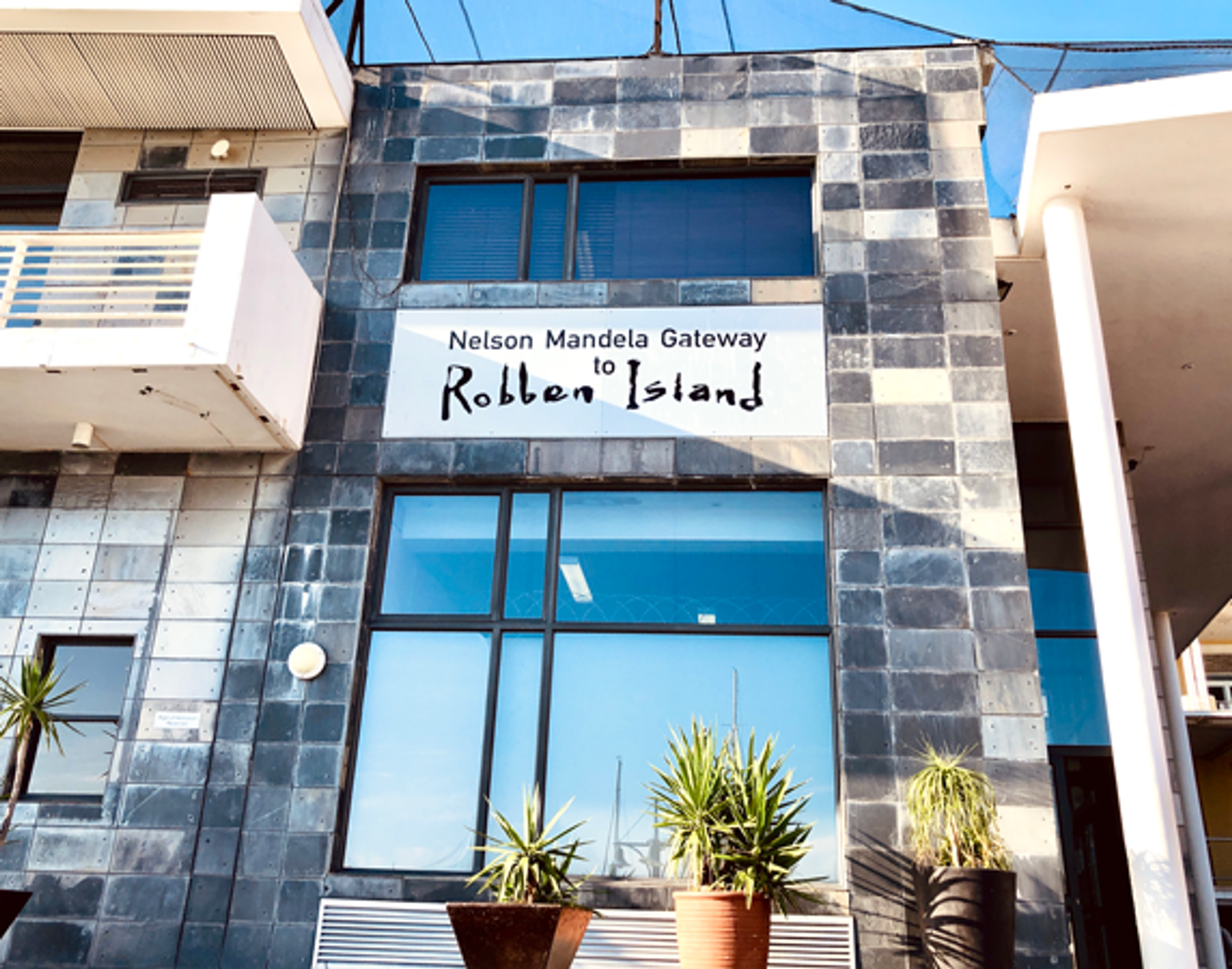
Every tour begins at the Nelson Mandela Gateway in the Clock Tower precinct, where an exhibition introduces the island's story before you board. Visitors arriving early can explore the nearby Nobel Square, where bronze statues of South Africa's four Nobel Peace Prize laureates stand together: Albert Luthuli, Desmond Tutu, FW de Klerk and Nelson Mandela.
The crossing takes 30 to 60 minutes each way, depending on the vessel, with Table Mountain rising behind the city as you pull away from the harbour. One of the ferries, the Krotoa, is named after a Khoi interpreter who was herself banished to the island in the 17th century.
Robben Island takes its name from the Dutch word for seals, which once crowded its shores. Its history as a place of banishment began in 1658, when the Dutch exiled the Khoi leader Autshumato there. He later became one of the few prisoners ever to escape.
Through the 1800s, the island housed people with leprosy and mental illness who had been sent away from the mainland, and during the Second World War it became a military base. From 1961 to 1991, more than 3 000 men were held there as political prisoners, many of them for decades.
Upon arrival, a guided bus tour transports visitors past significant sites from each chapter of the island's history. These include the leprosy graveyard and Robert Sobukwe's house, where the founding leader of the Pan Africanist Congress was held in solitary confinement for six years.
At the Lime Quarry, Mandela and his fellow prisoners dug lime for 13 years under a white glare that damaged their eyesight. It was also here that they taught one another history, languages and politics in secret, in what became known as the 'Robben Island University'.
The tour ends inside the Maximum Security Prison, where guides, some of them former political prisoners, lead visitors through the cell blocks to Nelson Mandela's cell. In the courtyard outside, Mandela kept a small garden, and he hid pages of the manuscript that became Long Walk to Freedom there.
Robben Island is also a haven for wildlife. African penguins, which disappeared from the island in the 1800s, returned in the 1980s and now breed here among the 132 or so bird species recorded on the island. On Minto's Hill, the lighthouse built in 1863 still flashes out across Table Bay. For more time to explore, the museum's five-hour walking tour runs on Fridays, Saturdays and Sundays and covers about 5 km on foot.
Every tour departs from the Nelson Mandela Gateway in the Clock Tower precinct. Tickets are sold through the Robben Island Museum, which runs the tours, and booking directly is the surest way to secure your seat. Rates differ for South African and international visitors. Sailings can sell out in peak season, from September to April, so book as soon as your dates are set.
General tours depart daily at 09:00, 11:00 and 13:00, with an extra 15:00 sailing in peak season. Each tour takes around three and a half hours, including the ferry crossings. Visitors must arrive at the Gateway at least 30 minutes prior to sailing, as boarding strictly closes 10 minutes before departure. Because ferry crossings are weather-dependent, building flexibility into travel itineraries is highly recommended.
Upon returning to the mainland, the V&A Waterfront provides an ideal setting to conclude the itinerary, offering waterfront dining and scenic harbour walks.
We’d love to hear from you.
Whether you’re exploring a new career with us, interested in becoming a tenant or business partner, or just have a question, we’re here to help.