The Neighbourhood
COVID-19 & Zeitz MOCAA: The Human Connection
30 April 20203 Min read

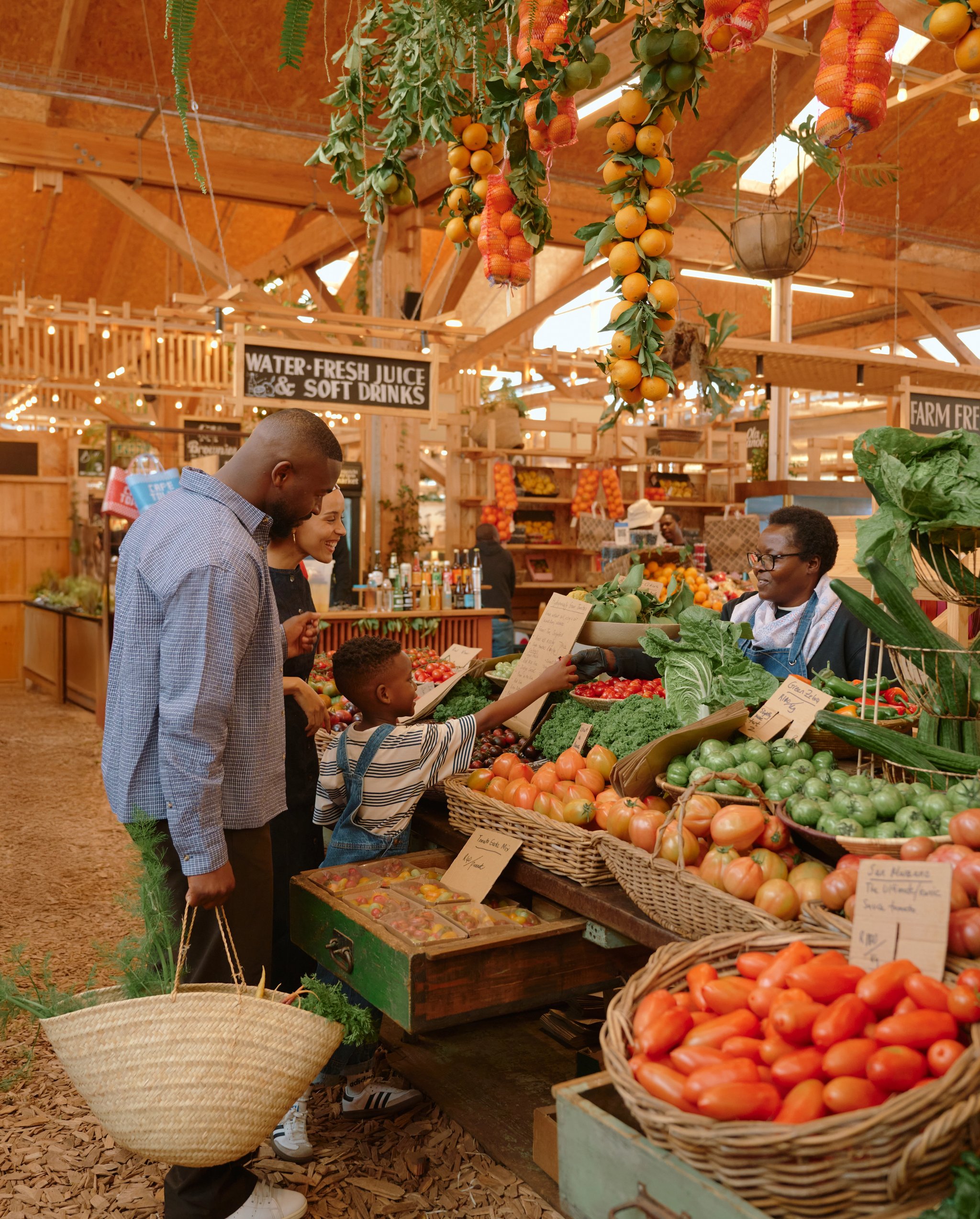
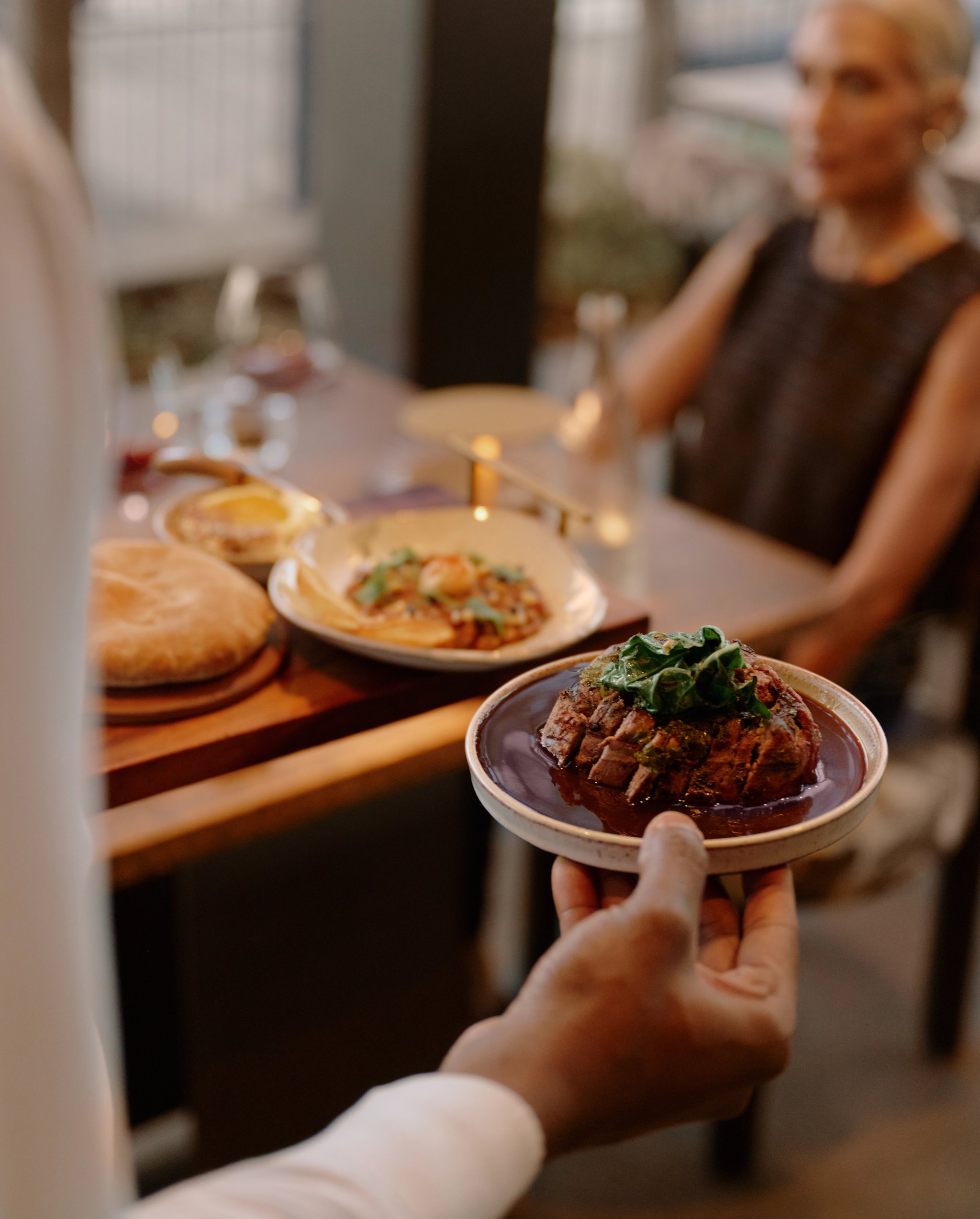
From quick bites to leisurely meals, the V&A Waterfront offers something for every appetite. Grab a coffee between stops, settle in for a sunset dinner, or explore flavours from around the world.
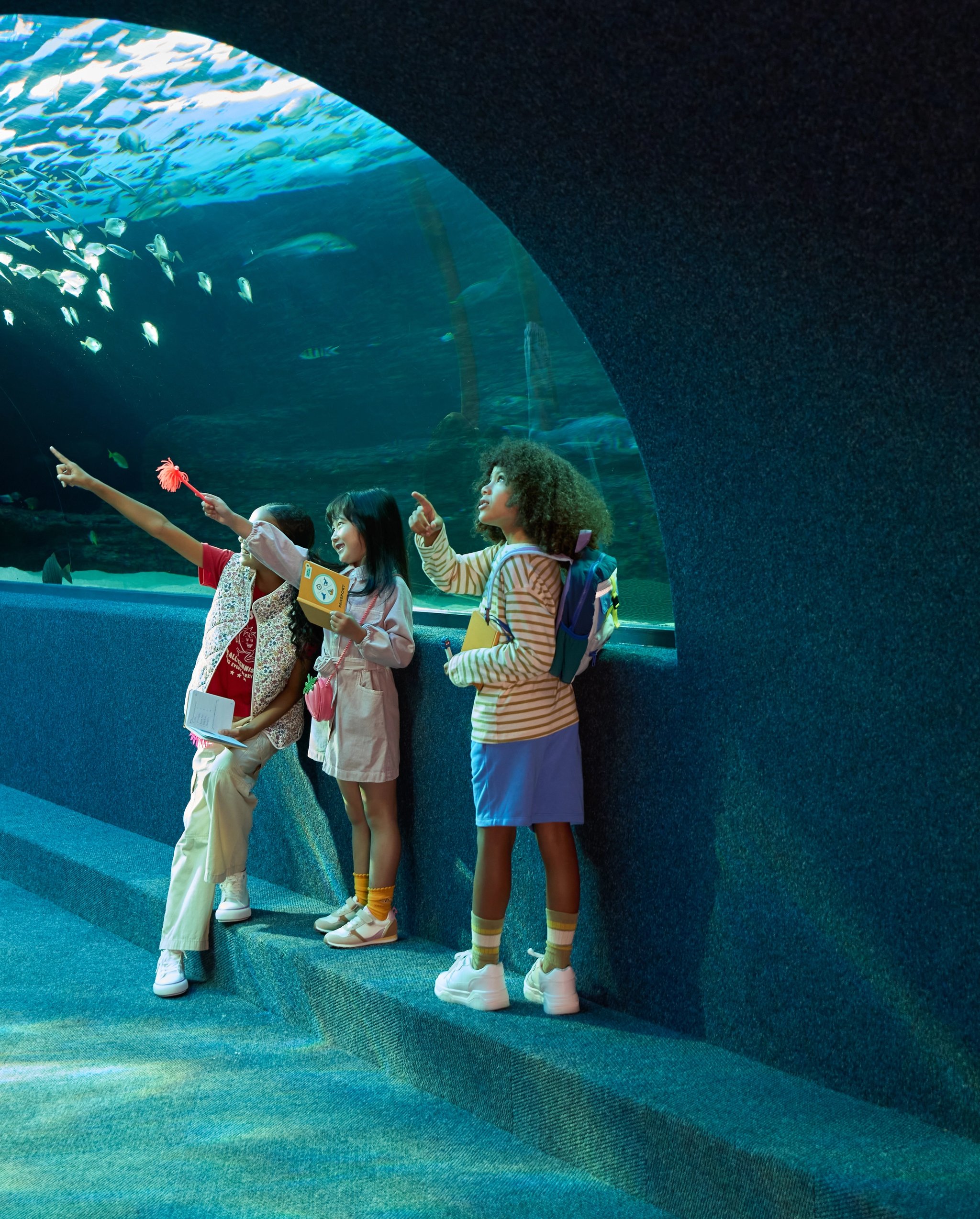
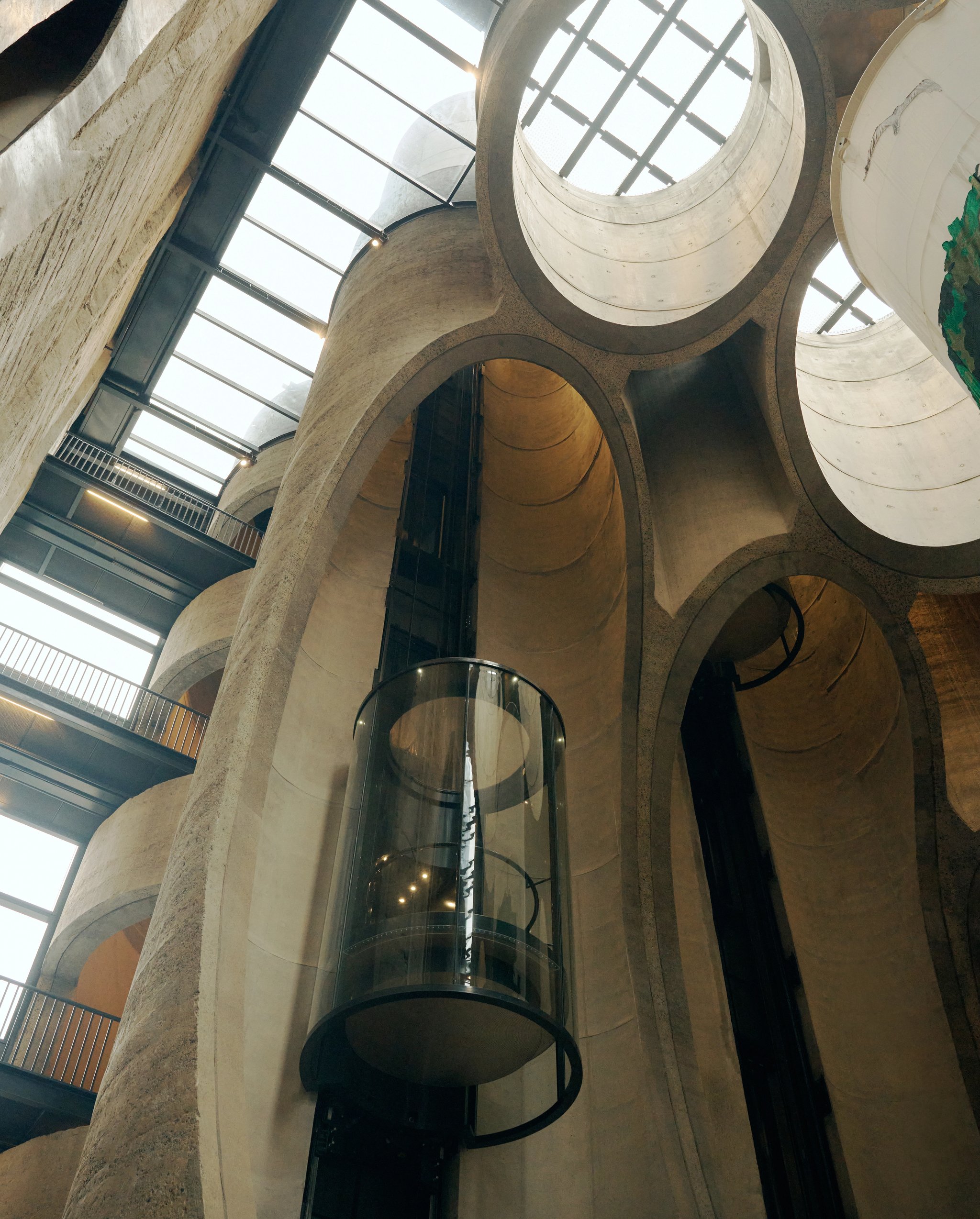
A neighbourhood that’s yours to discover. From world-class museums and iconic attractions to harbour gems, there are memorable experiences around every corner. Whether it's your first visit or your daily fix, there's always a new reason to explore.
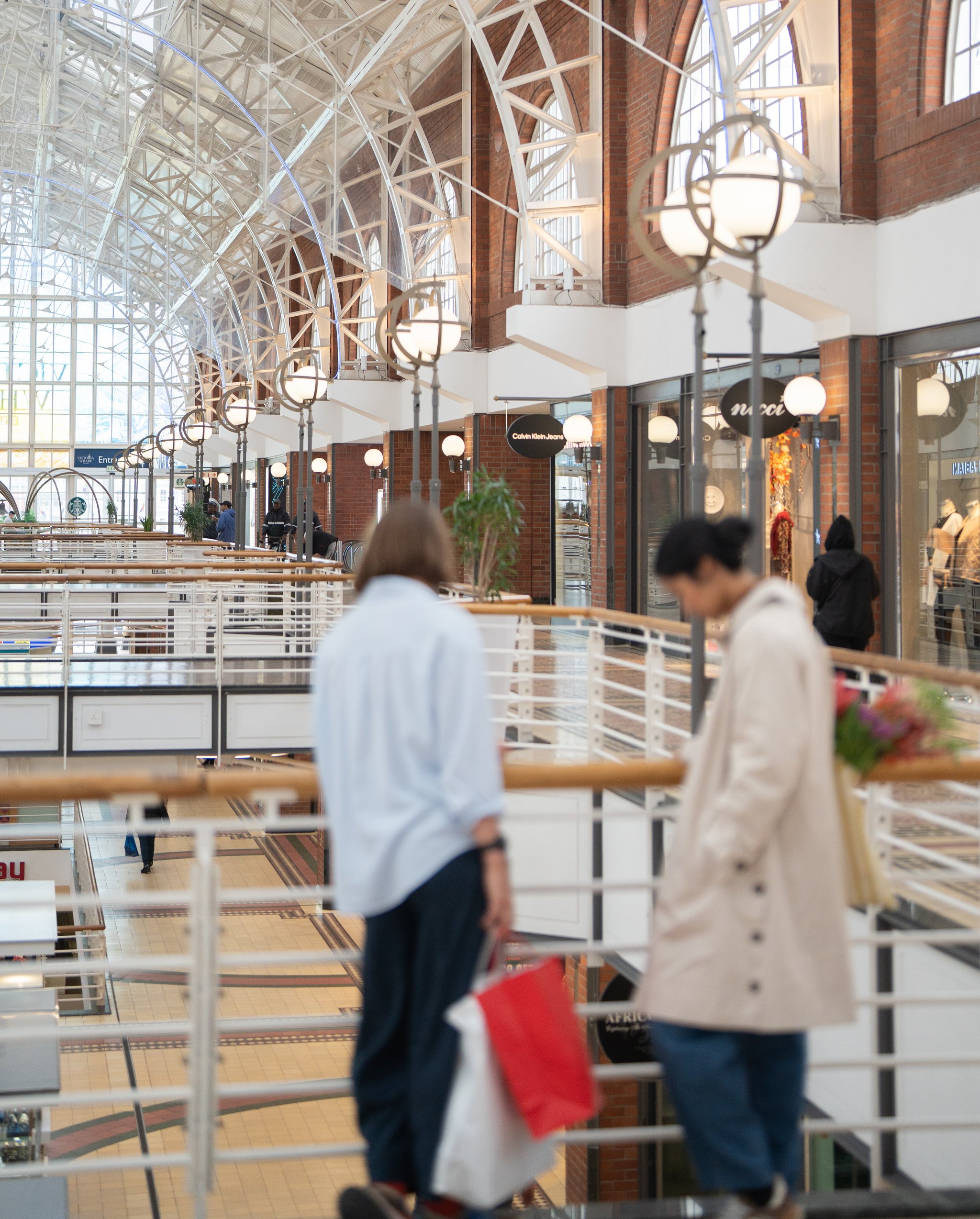
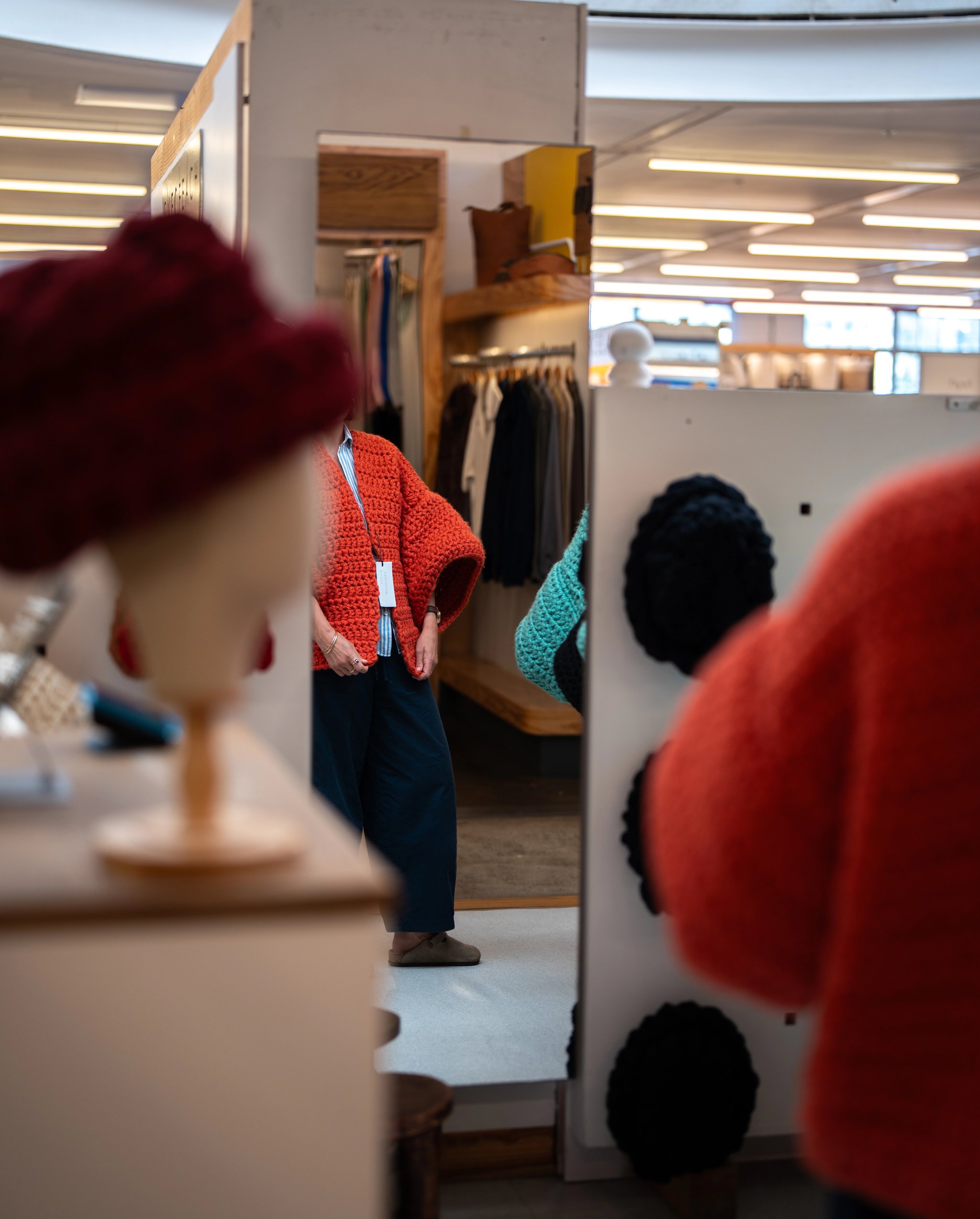
Expect the unexpected. From global brands to unique finds by local makers, there’s something for every shopper. This is world-class shopping with an African twist.
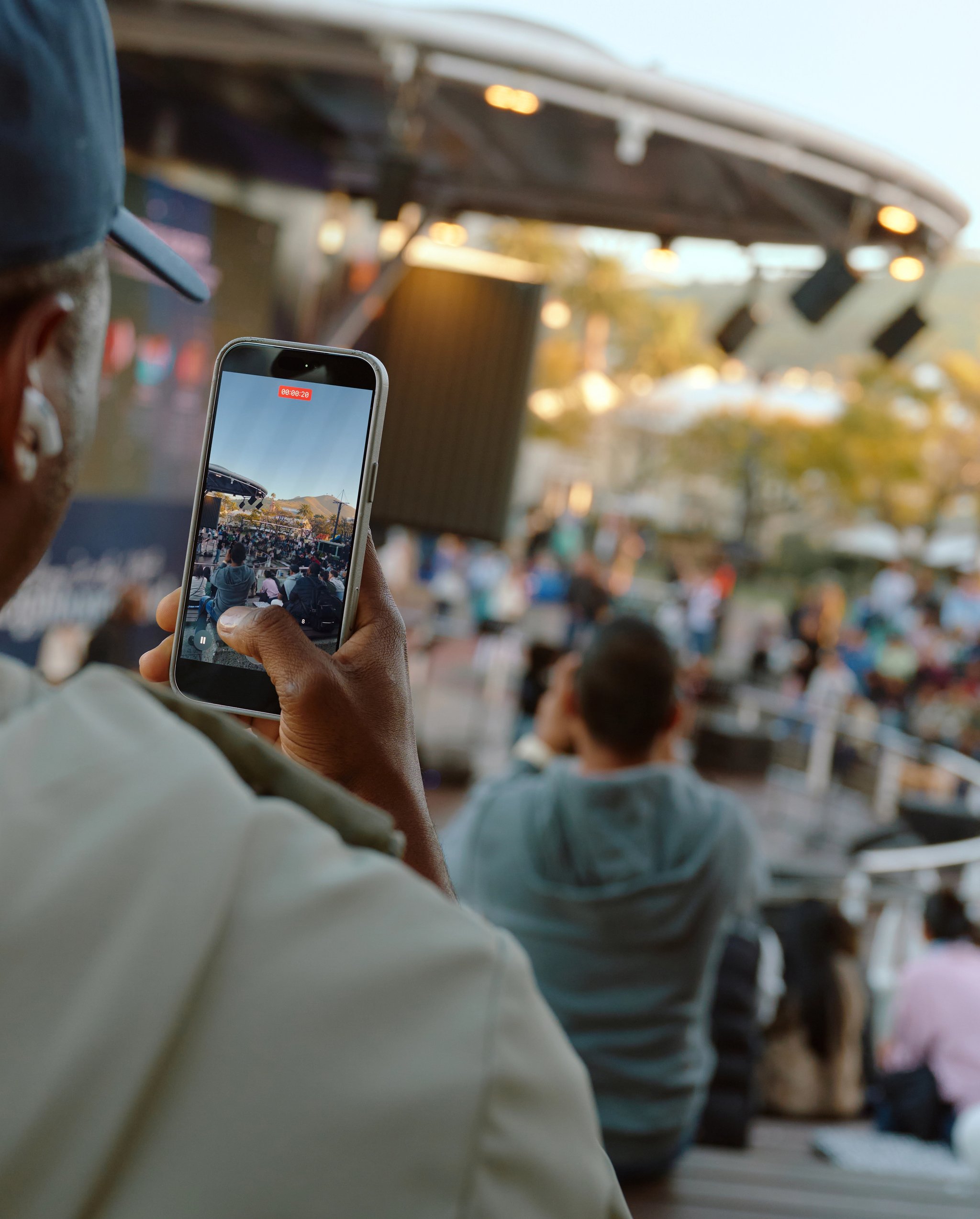
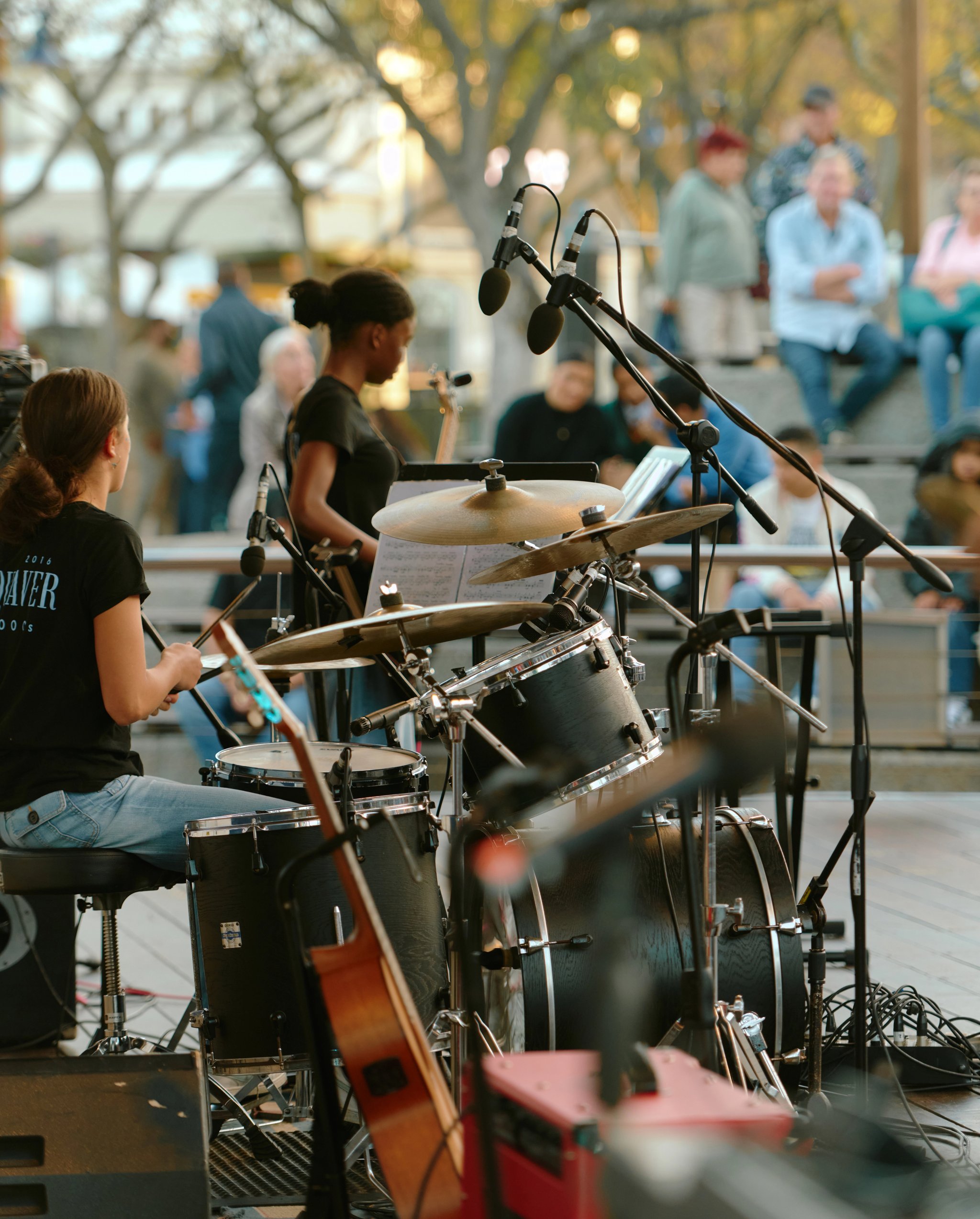
Our neighbourhood is the place to be! From seasonal events to top performances, there’s always something to look forward to. Find out what's on so you can plan your next memorable experience.
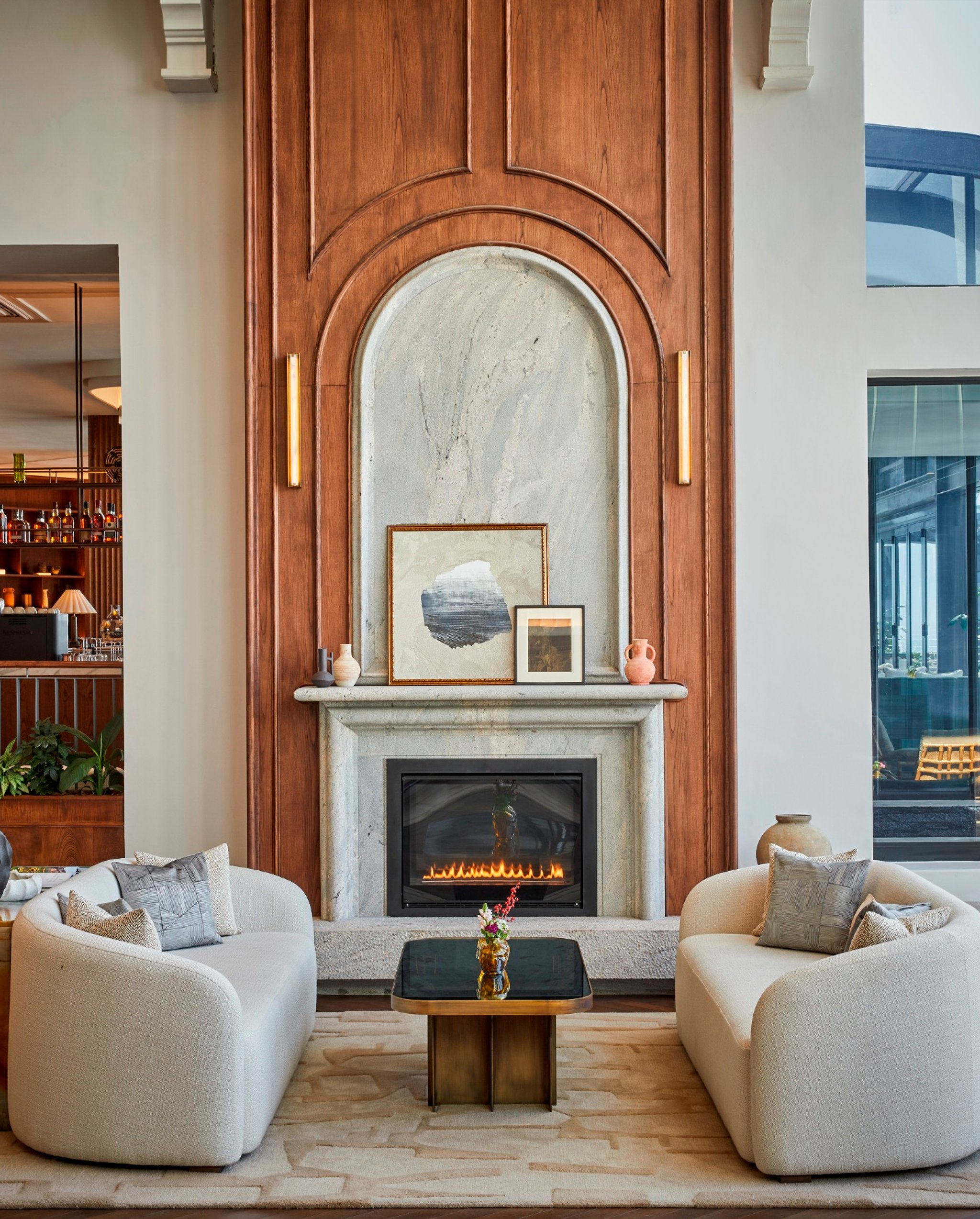
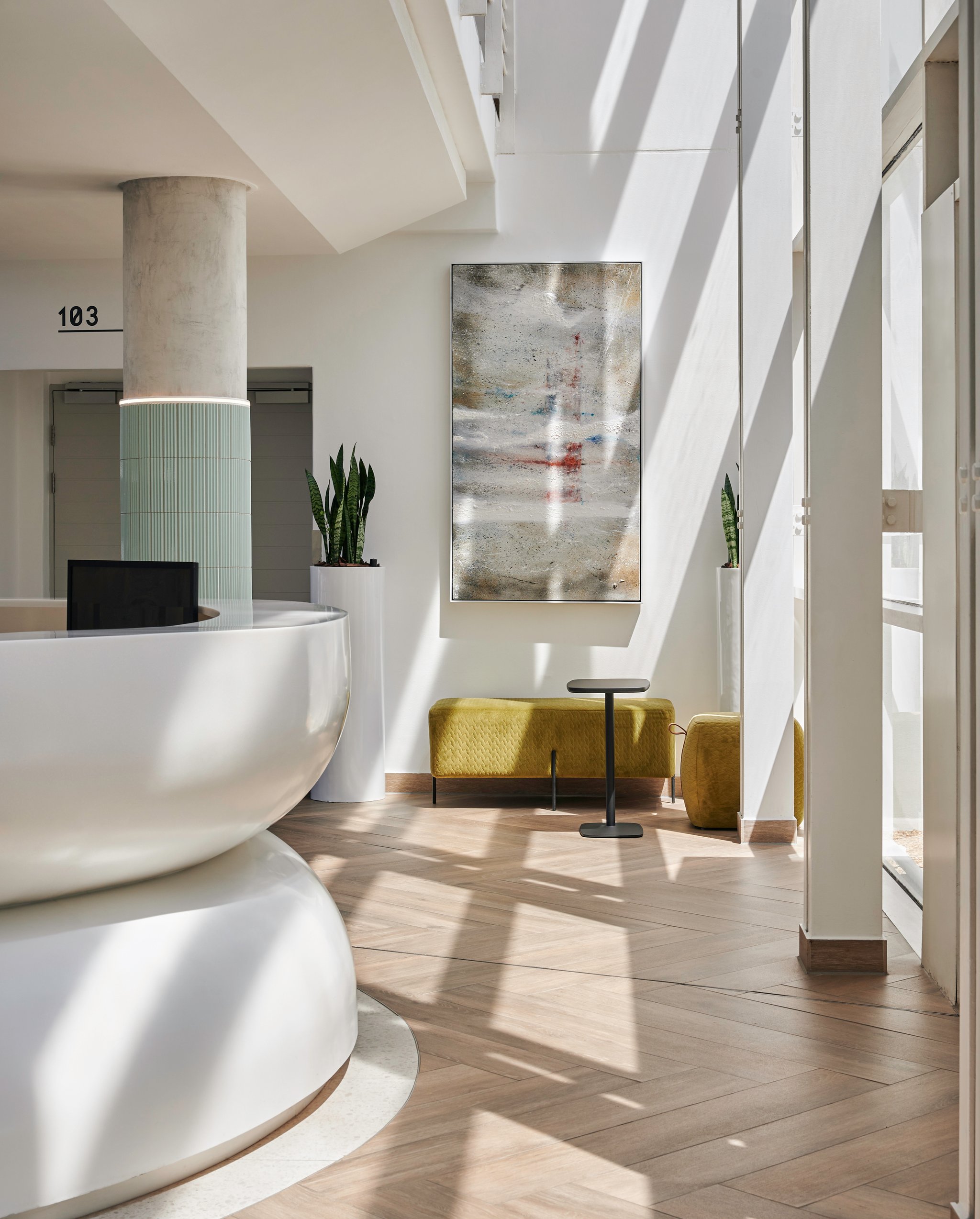
Hotels at the V&A Waterfront offer a unique experience inside a neighbourhood that has been alive for over 160 years.
From intimate boutique properties to five-star resorts, every hotel here sits within a working harbour, a creative economy, and a community where there’s always a reason to stay a little longer.
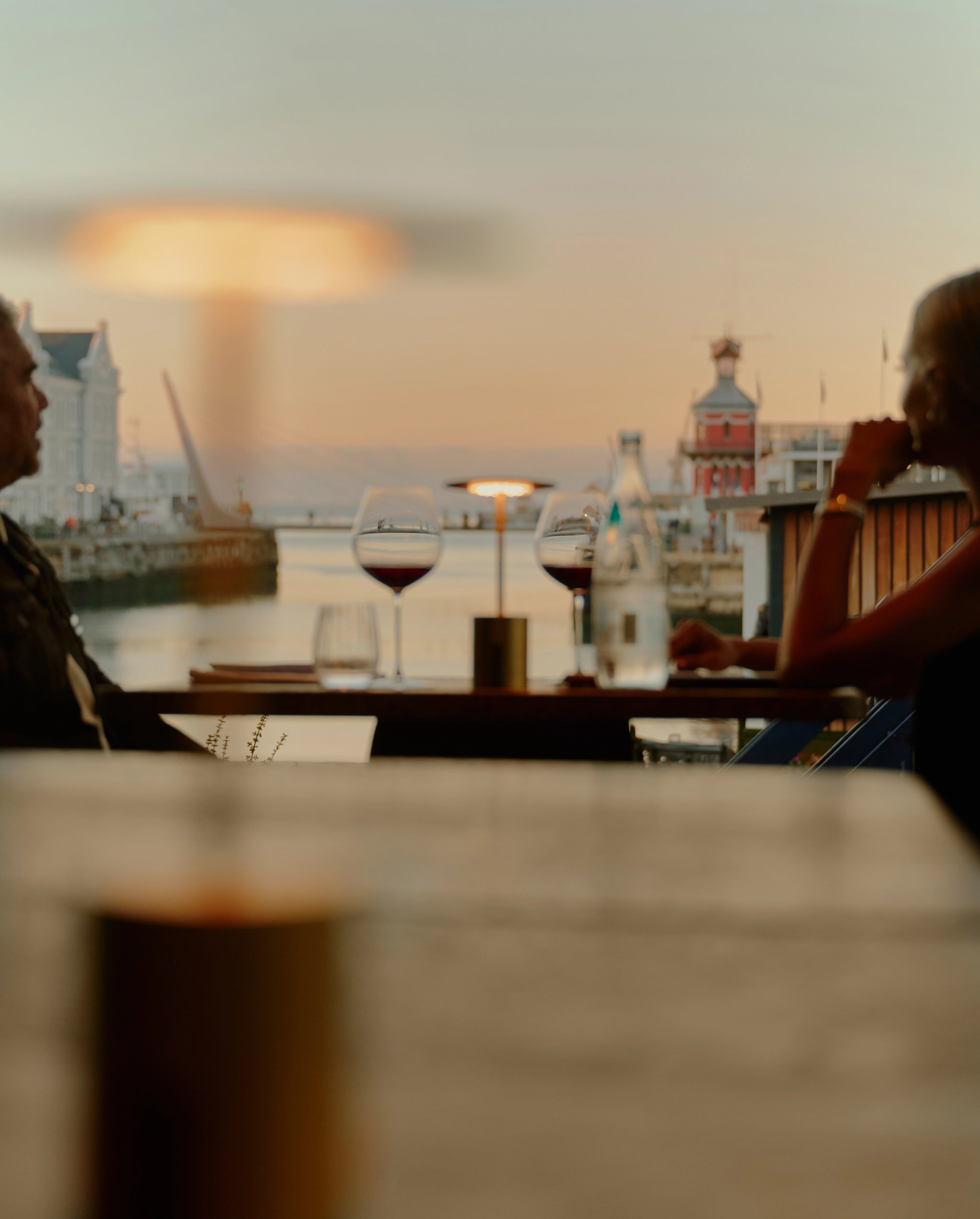
Wake up to the harbour and enjoy your favourite coffee spot as you experience the convenience of having everything within walking distance.
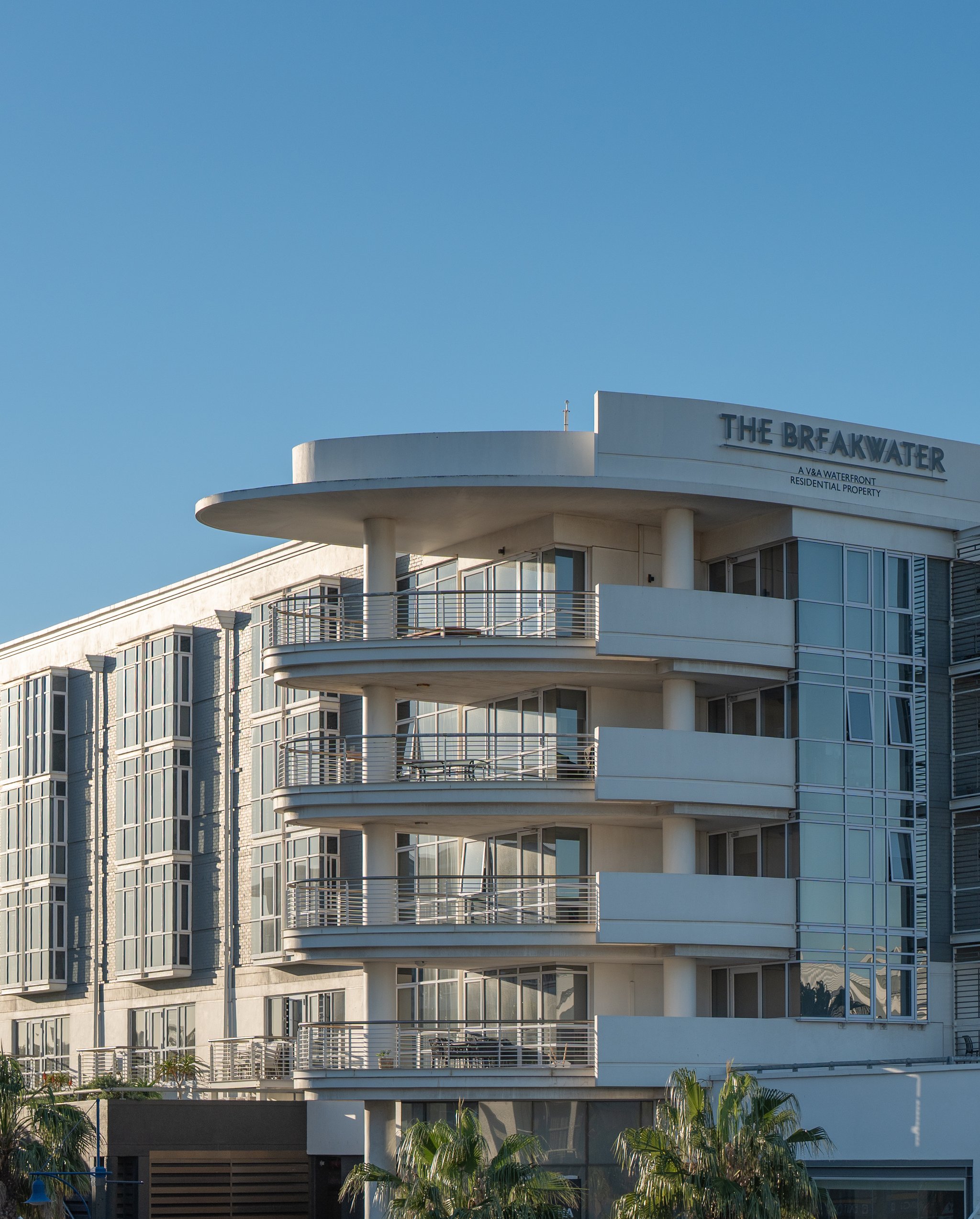
Living at the V&A Waterfront means living inside one of the most connected neighbourhoods in Africa, with everything that comes with it: security, convenience and a view that never gets old.
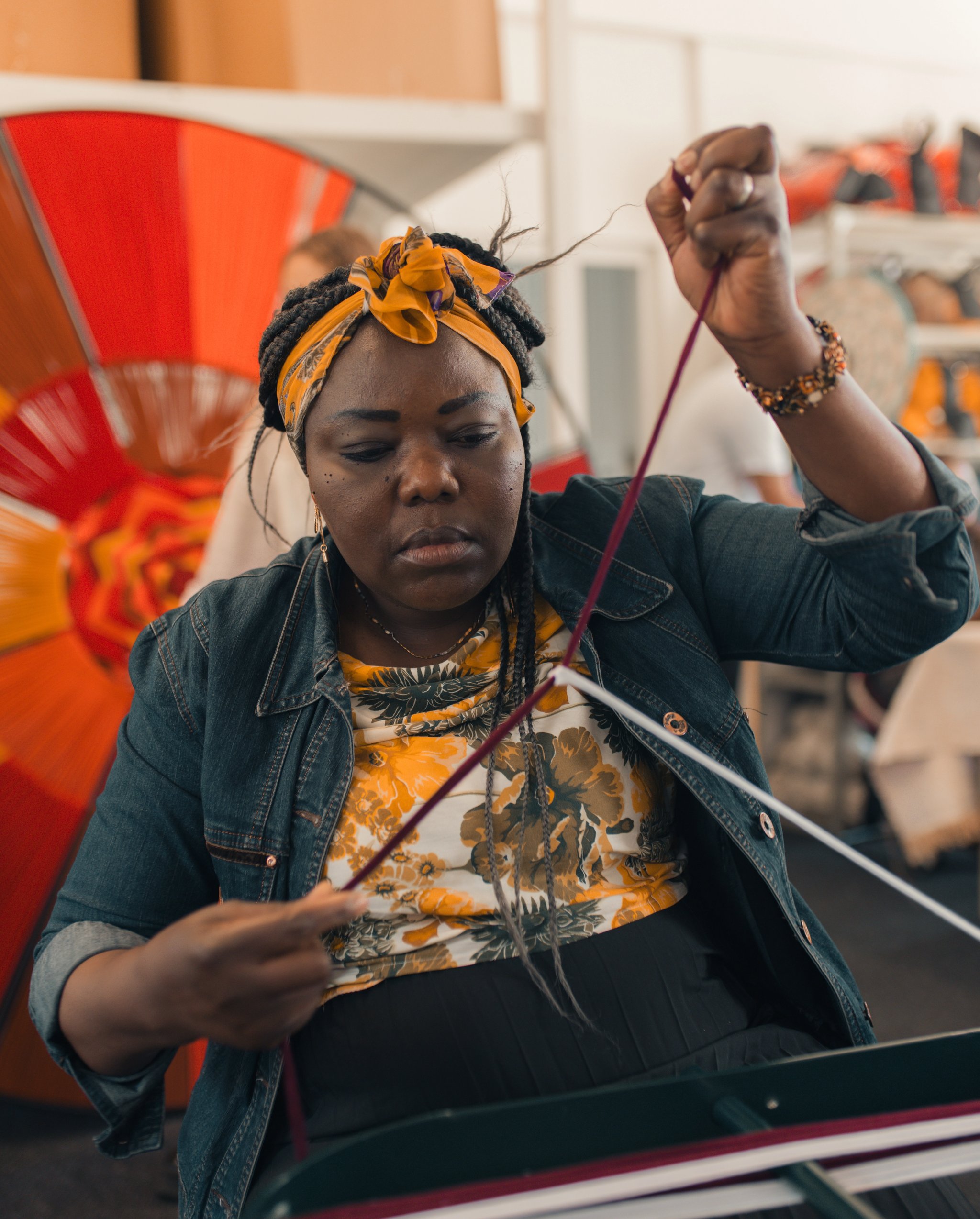
At the V&A Waterfront, people come together to work, visit, create and belong. More than a destination, it's a neighbourhood of opportunity, supporting 30,000 direct jobs and contributing R45.9 billion to the economy.
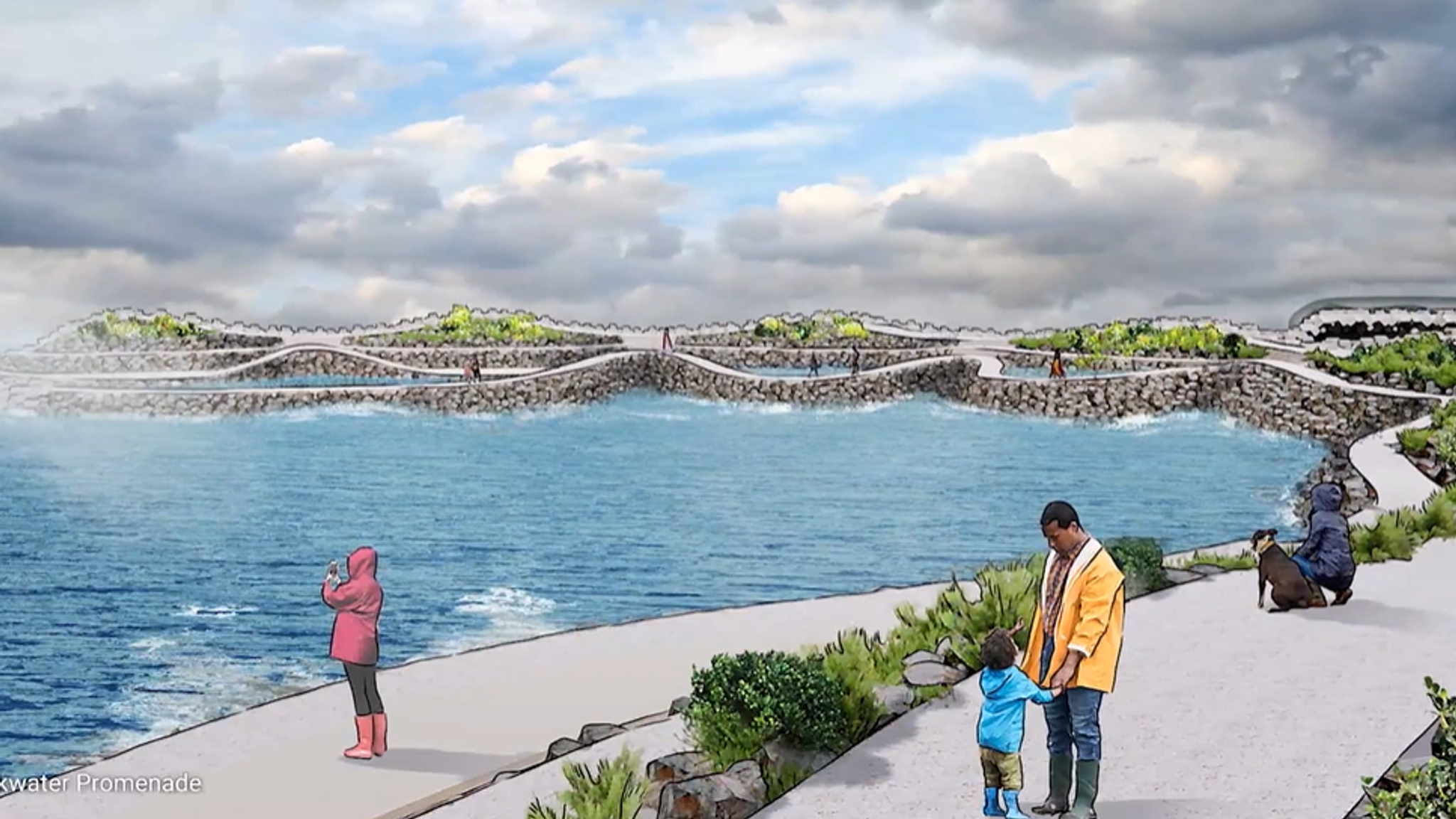
A new stretch of Cape Town’s Atlantic coastline is being opened up to the city. Over the next 15 to 20 years, this R20 billion-plus development will bring new homes, hotels, jobs, public space and a protected bay for swimming, kayaking and boating. A 540-metre seawall will help protect the coastline, while a new coastal walkway will connect the V&A directly to the Sea Point promenade.
The world did not need this pandemic to break out to reckon that nobody knows tomorrow. Today we speak of a global health and economic crisis which has different manifestations, reflecting the different contexts and environments that the virus is visiting. Watching how the “world” is responding to these truly dire times, I remember a presentation I gave eight years ago in Istanbul at the CIMAM (International Committee for Museums and Collections of Modern Art) conference. The title of the conference was Museums Beyond Crises. In 2012, the “world” was just coming out of a slow recovery from the 2008 financial crash caused by the greed and recklessness of Wall Street. Barack Obama was campaigning for a second presidential term and the African Spring, sparked by a fruit vendor in Tunisia, had redesigned the political and social landscape in the Maghreb and the Middle East.
I spoke about living and working in a state of permanent crisis in relation to art institution-building in Africa. My thesis was that if we consider that, since our encounters with the first foreign visitors some 500 years ago, Africa was plunged into a state of durational crisis, and by now crisis management has become one of our many fields of expertise. Crisis management is an organic knowledge transmitted from one generation to the next since our first recorded knowledge of ourselves. We have elevated crisis to a form of living and conception of the world. People draw from this state to produce knowledge and reinvent and recreate their realities — with the most striking creativity and sense of inventiveness — on a daily basis. And this is where art institution-building can come into play.
For the longest time, museums have been one of the places where objects come into conversation with each other and with the public. A site of physical gathering for communication and exchange. As a (still) nascent museum, being barely two years old, Zeitz MOCAA is concerned with defining our institutional identity, our curatorial gravitas, educational inquiry, as well as our managerial sensitivity. Museums across the globe are responding to the current challenge mainly by enlarging their virtual doors while their physical ones remain closed. The digital revolution is certainly the most recent global shift of our human existence; however, as we see how isolation (for those who can afford the luxury) impacts our sense of connectedness, I strongly believe that there is nothing that beats standing in front of an artwork and fully experiencing its expression and energy as a reminder that we are indeed human and depend on our senses to navigate the complexities of our existence.
Since I joined Zeitz MOCAA in May 2019, I’ve been wanting to create opportunities for you to get to know the incredible team that works tirelessly to keep this groundbreaking initiative meaningful. Our newsletter from now on will reflect the professionals in the silos, engage with our challenges and interests, and comment on the issues and ideas we are exploring.
I personally draw a lot of strength and comfort from philosophy and spirituality. I am therefore convinced that while we might face incredible challenges today, crisis is the ideal ground for reinvention. Another world is always possible.
À lutta!
Originally published on Medium. Republished with kind permission from Zeitz MOCAA.
We’d love to hear from you.
Whether you’re exploring a new career with us, interested in becoming a tenant or business partner, or just have a question, we’re here to help.