NewsPress Releases
Tourism is one of the most dynamic levers to grow the economy and jobs
18 November 20244 Min read


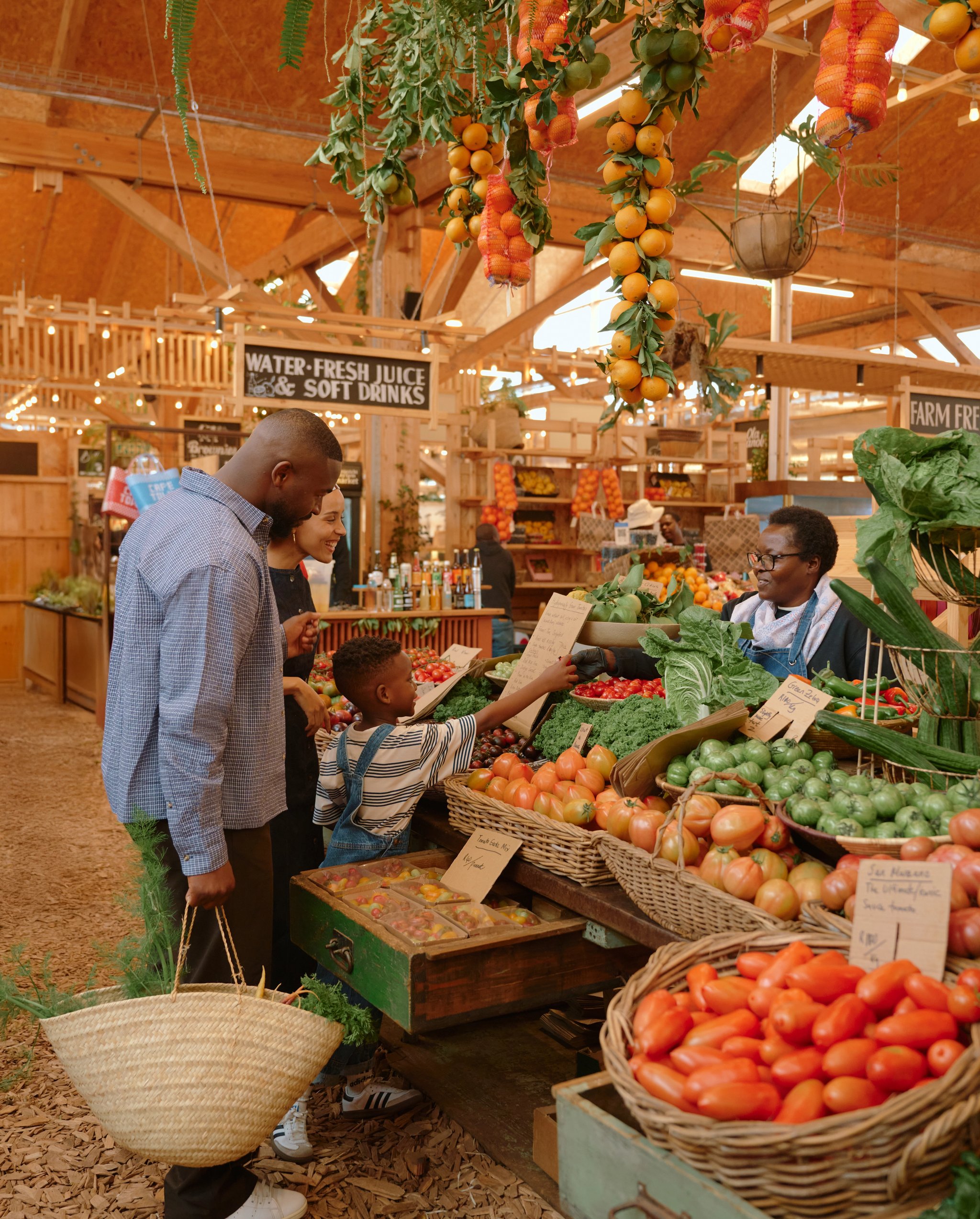
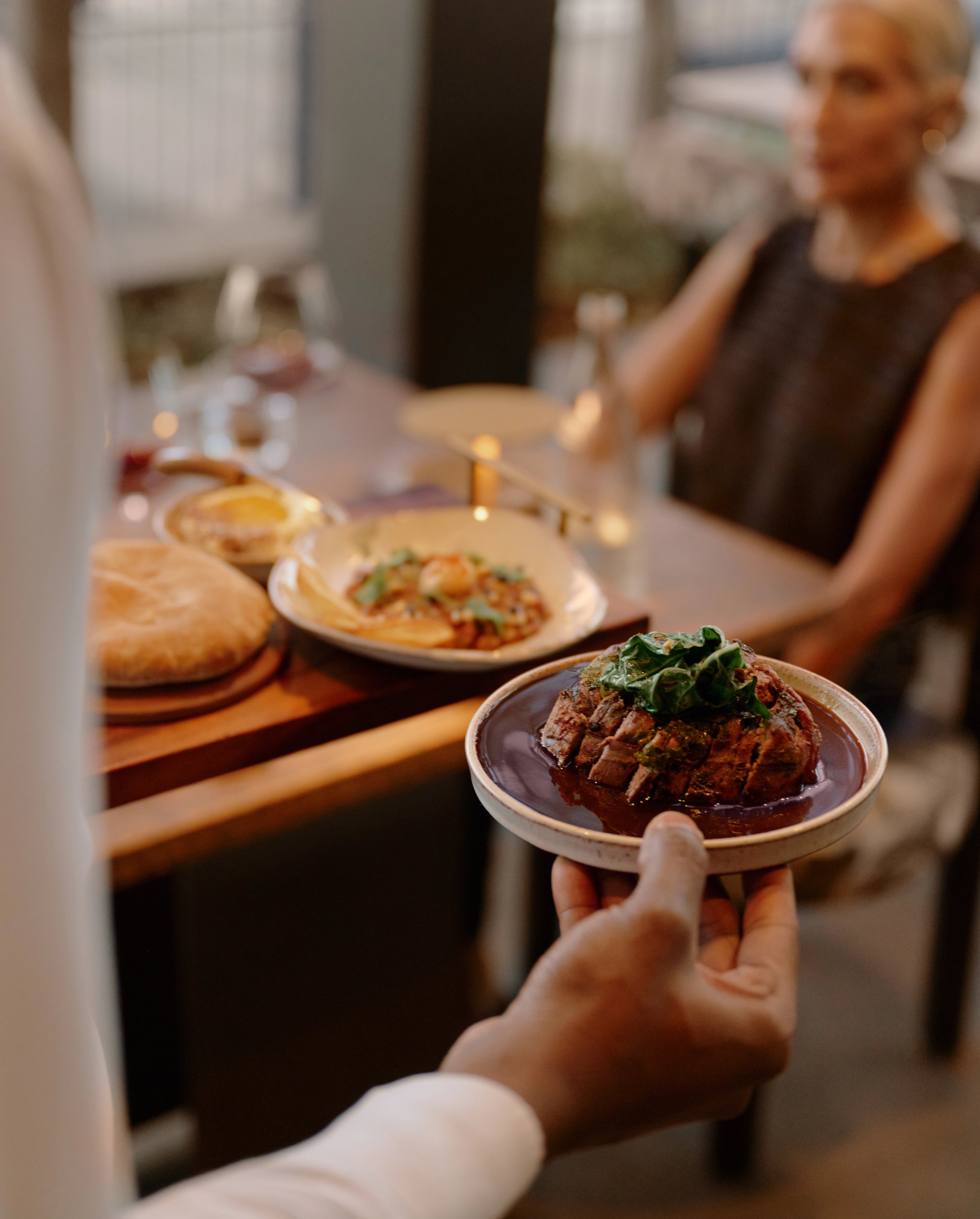
From quick bites to leisurely meals, the V&A Waterfront offers something for every appetite. Grab a coffee between stops, settle in for a sunset dinner, or explore flavours from around the world.
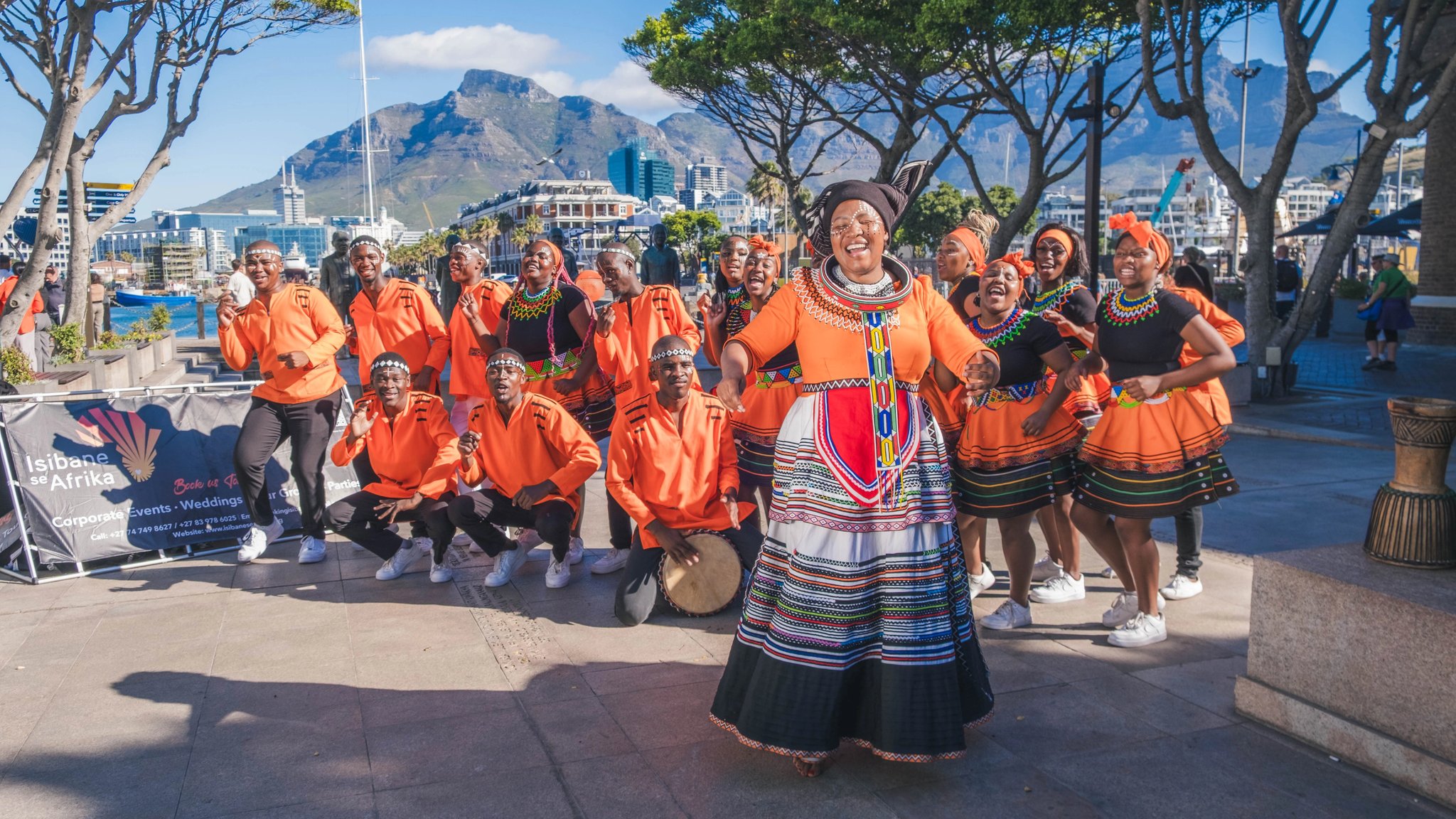
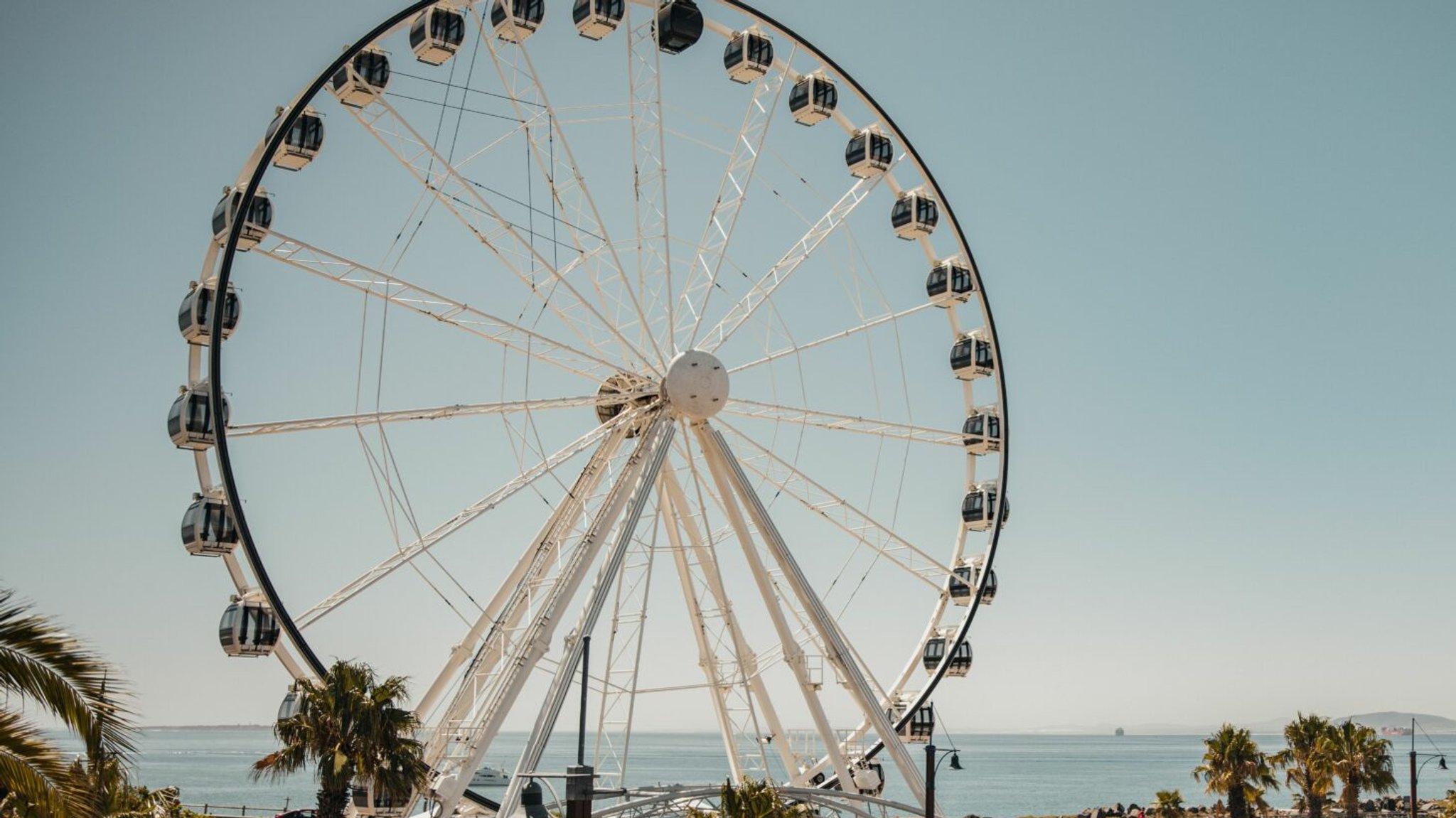
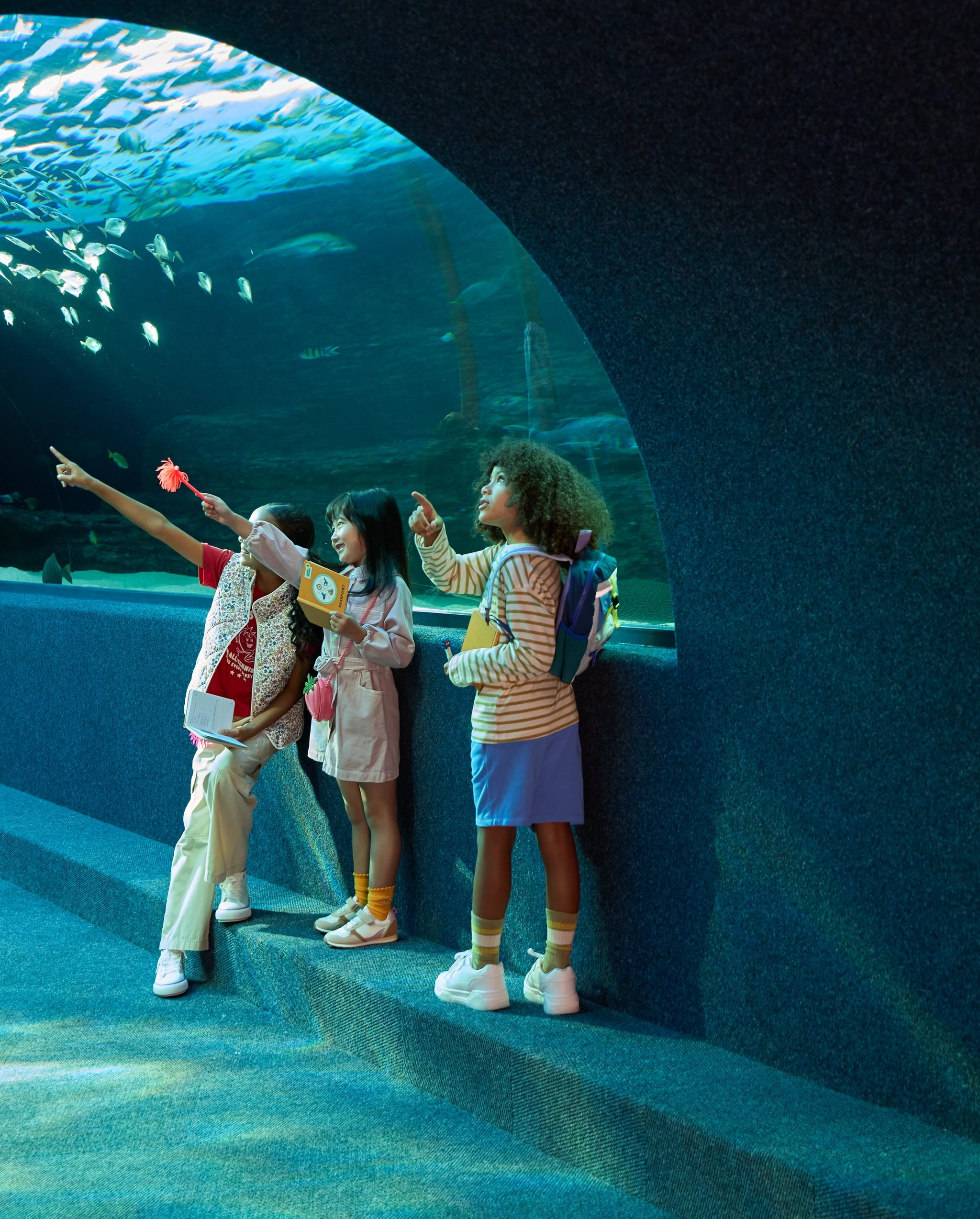
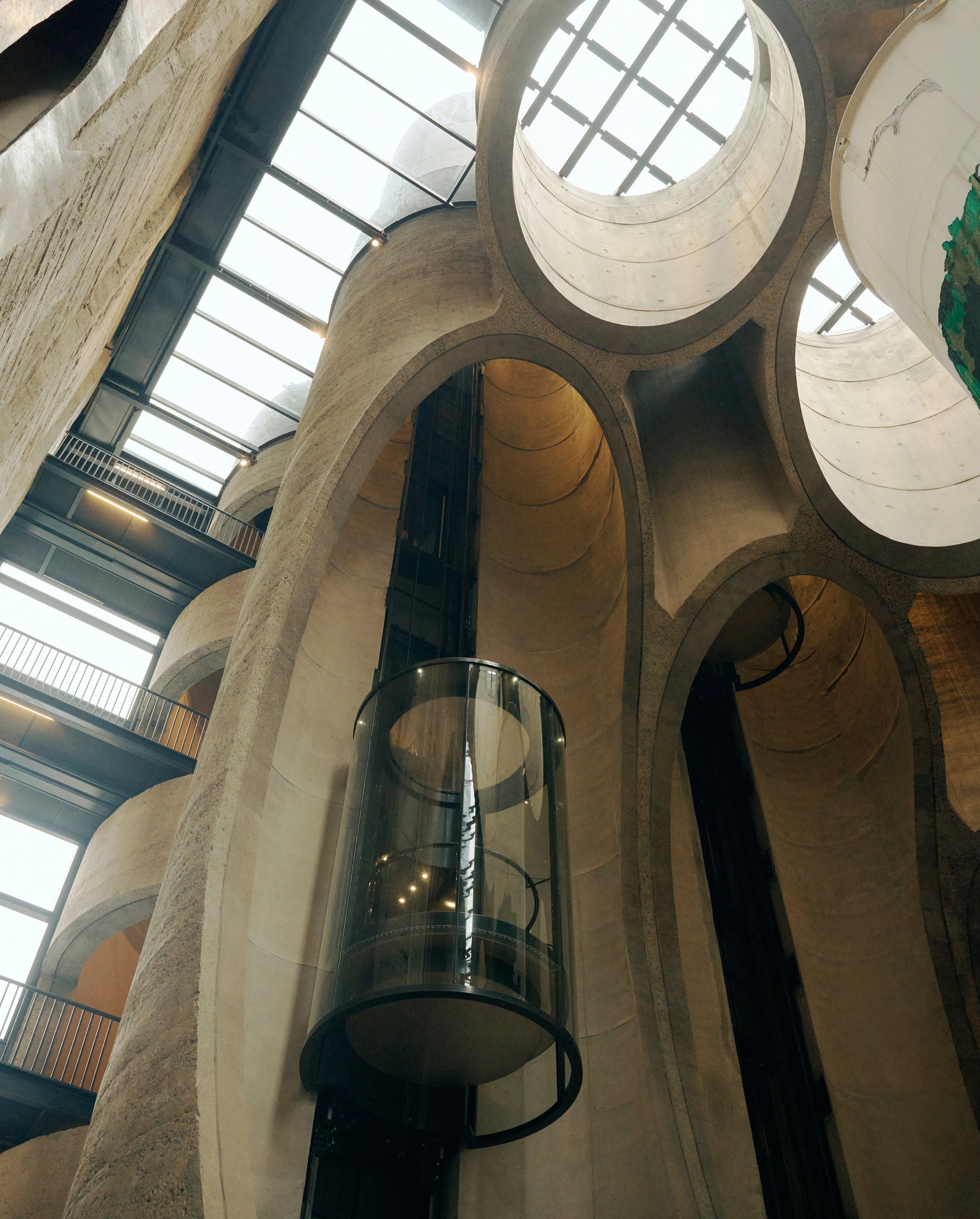
A neighbourhood that’s yours to discover. From world-class museums and iconic attractions to harbour gems, there are memorable experiences around every corner. Whether it's your first visit or your daily fix, there's always a new reason to explore.
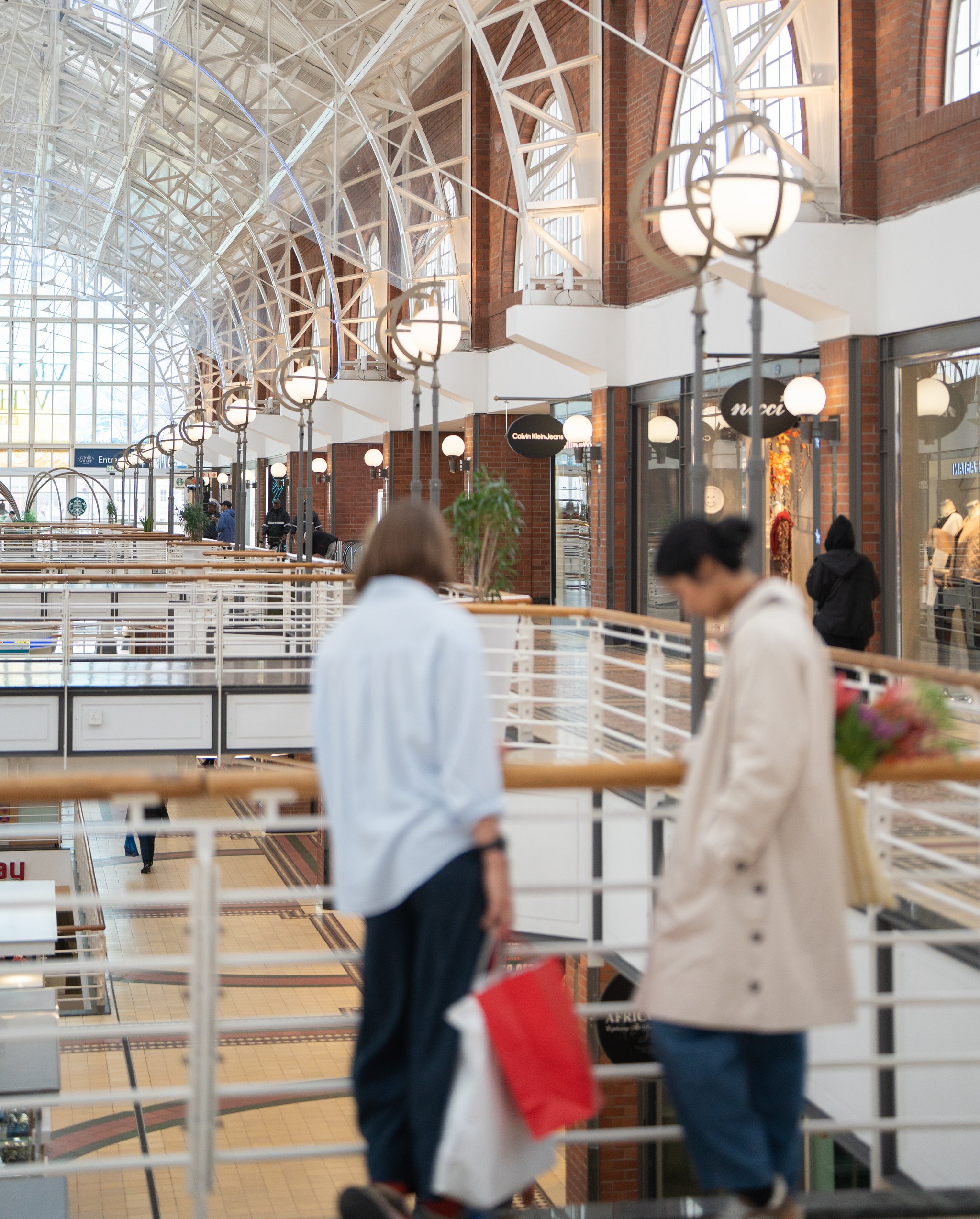
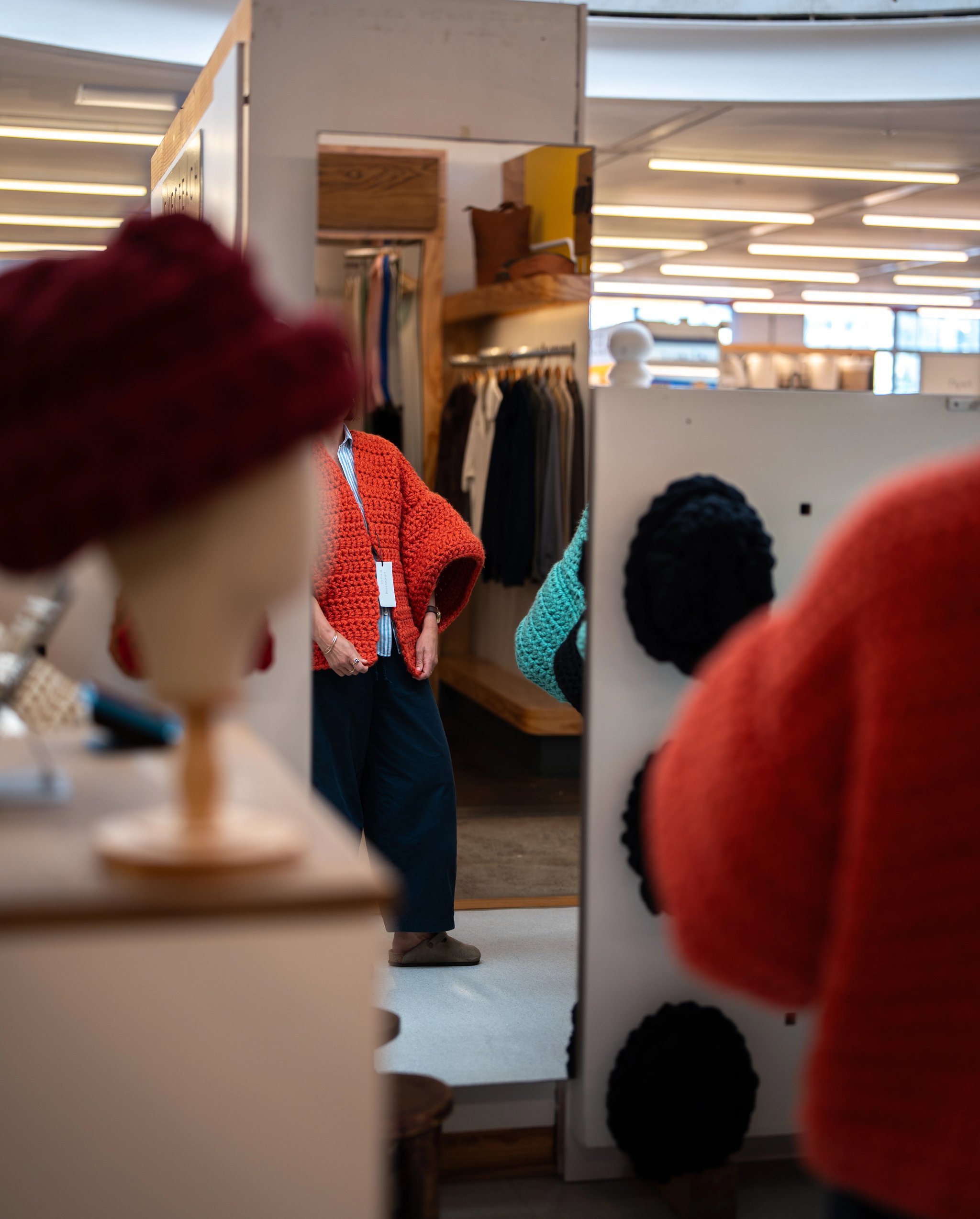
Expect the unexpected. From global brands to unique finds by local makers, there’s something for every shopper. This is world-class shopping with an African twist.
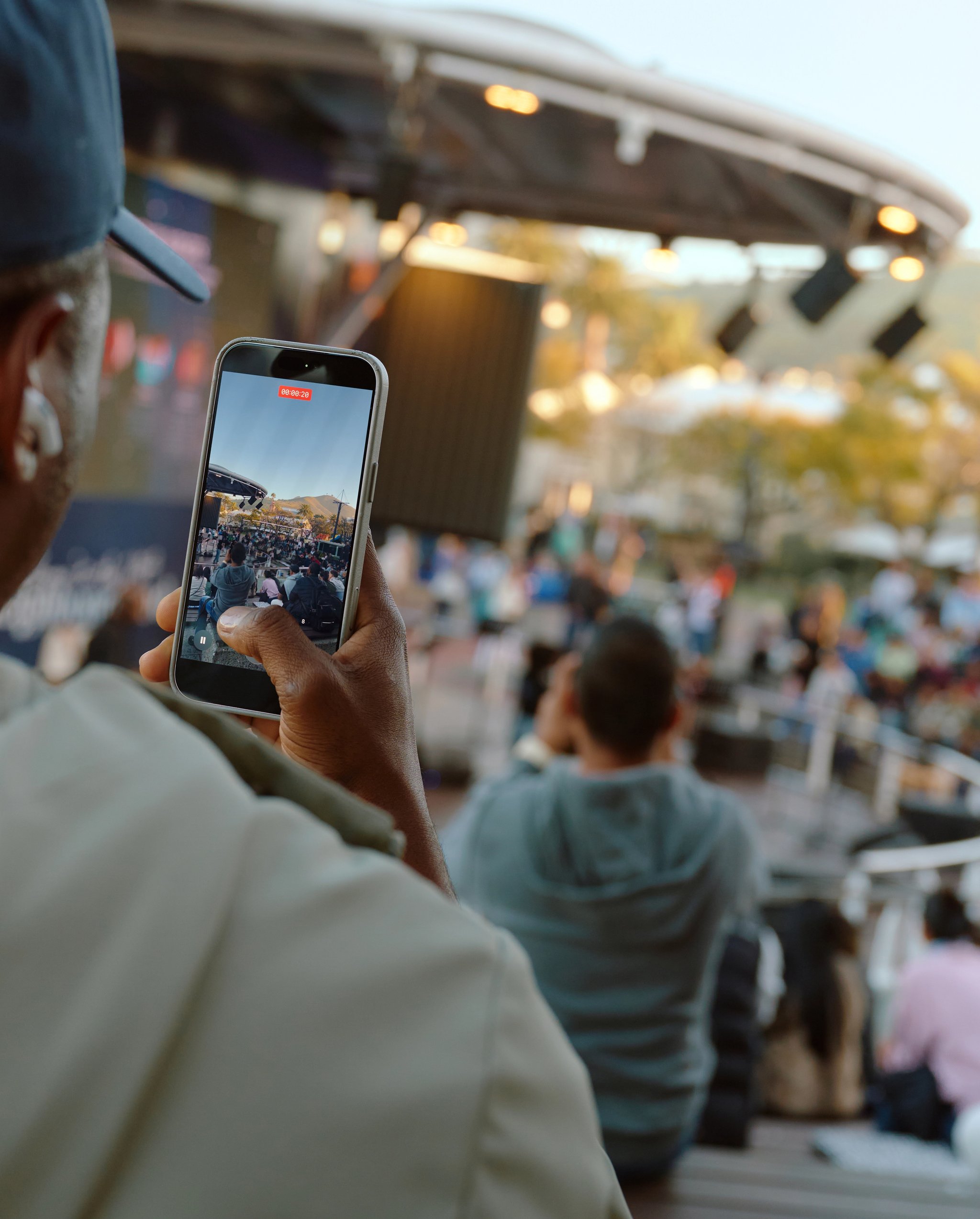
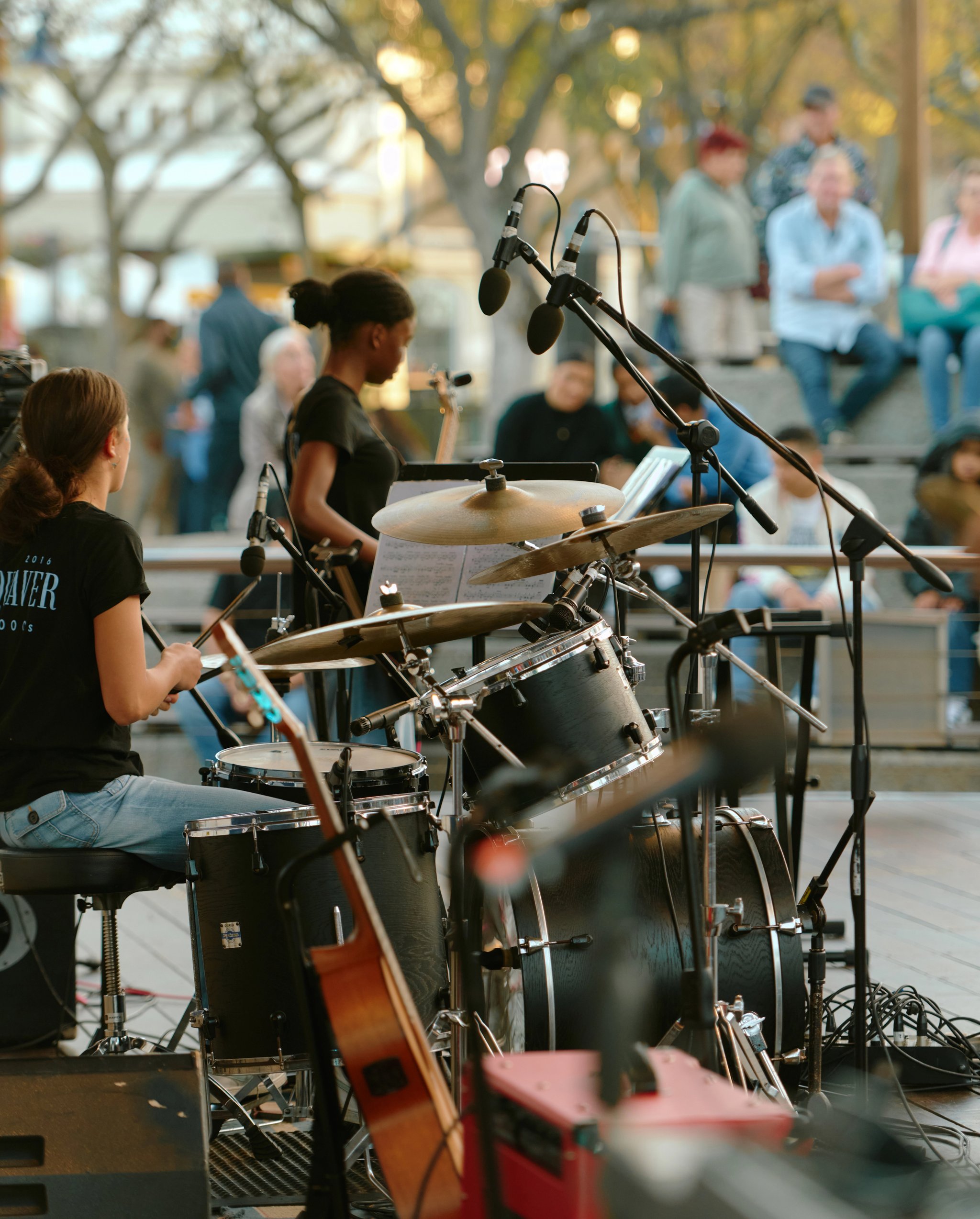
Our neighbourhood is the place to be! From seasonal events to top performances, there’s always something to look forward to. Find out what's on so you can plan your next memorable experience.
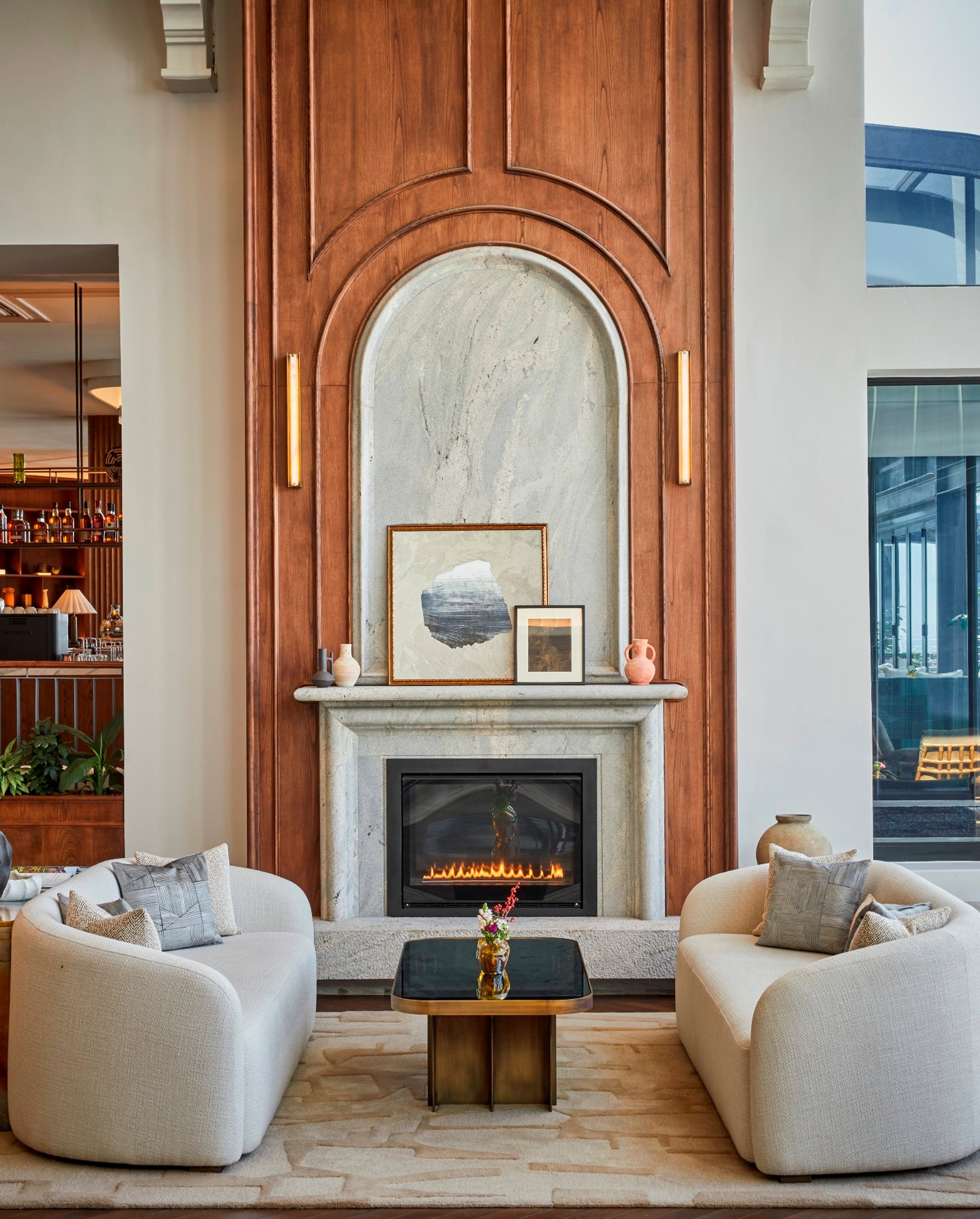
Hotels at the V&A Waterfront offer a unique experience inside a neighbourhood that has been alive for over 160 years.
From intimate boutique properties to five-star resorts, every hotel here sits within a working harbour, a creative economy, and a community where there’s always a reason to stay a little longer.
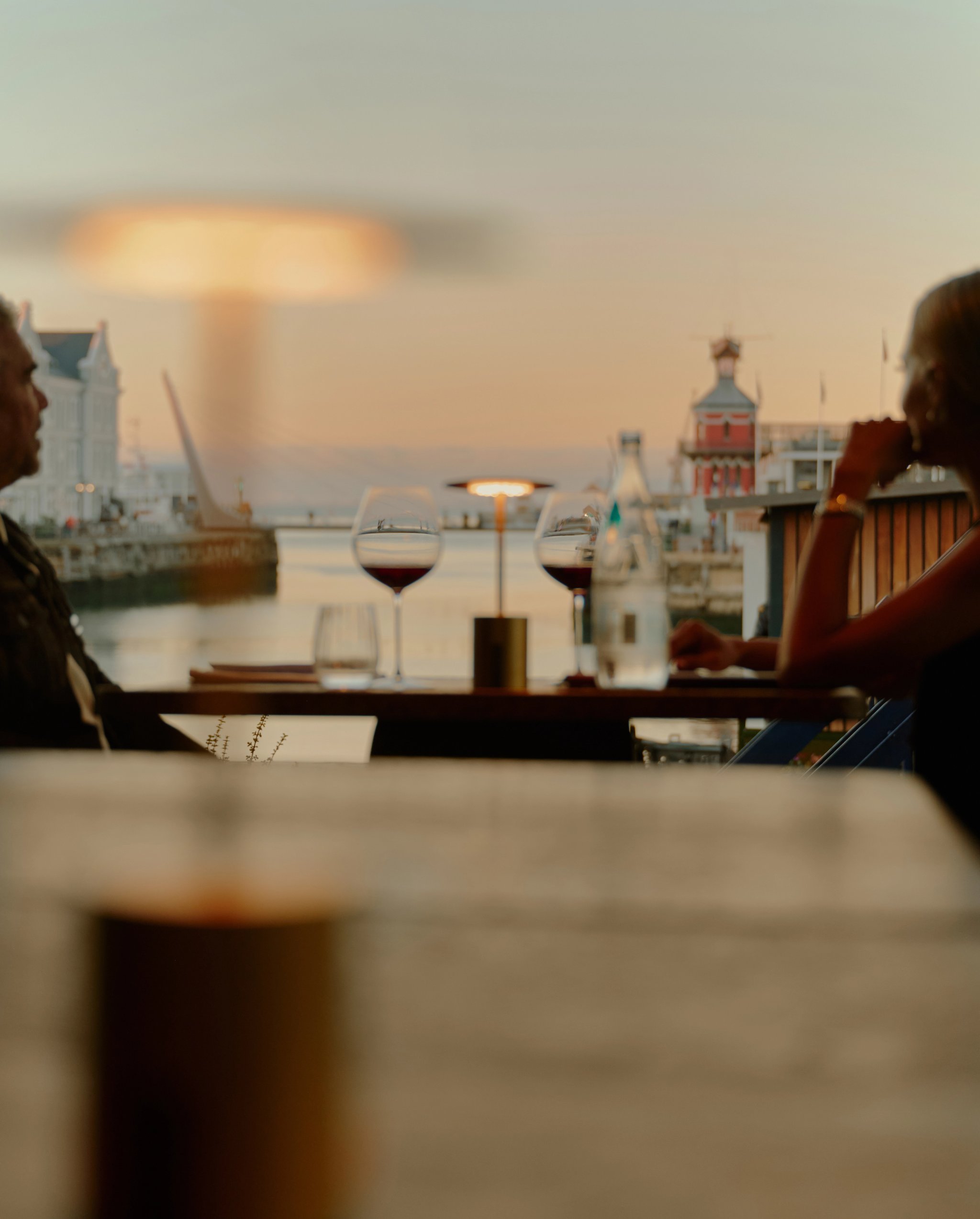
Wake up to the harbour and enjoy your favourite coffee spot as you experience the convenience of having everything within walking distance.
Living at the V&A Waterfront means living inside one of the most connected neighbourhoods in Africa, with everything that comes with it: security, convenience and a view that never gets old.

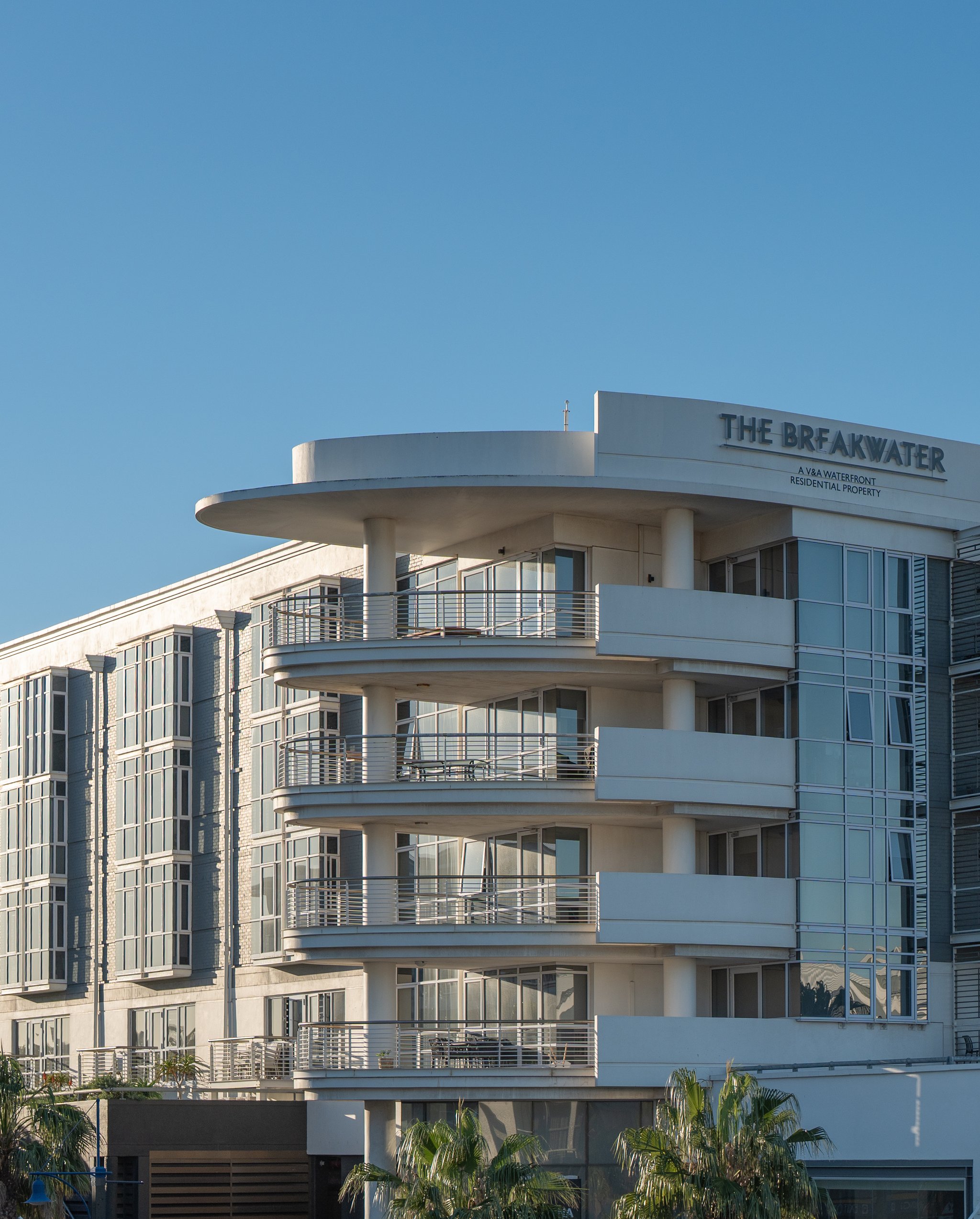
At the V&A Waterfront, people come together to work, visit, create and belong. More than a destination, it's a neighbourhood of opportunity, supporting 30,000 direct jobs and contributing R45.9 billion to the economy.
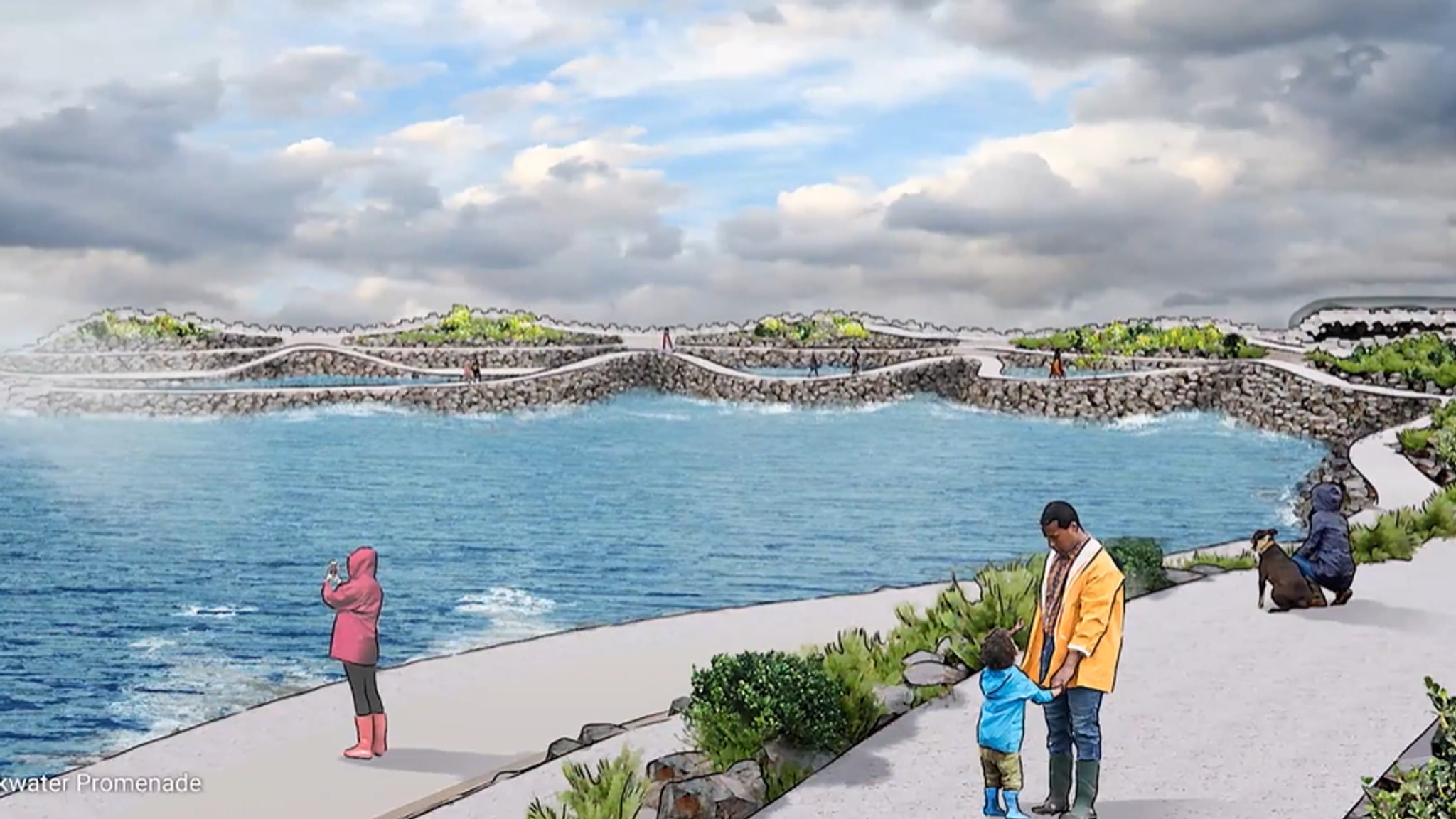
A new stretch of Cape Town’s Atlantic coastline is being opened up to the city. Over the next 15 to 20 years, this R20 billion-plus development will bring new homes, hotels, jobs, public space and a protected bay for swimming, kayaking and boating. A 540-metre seawall will help protect the coastline, while a new coastal walkway will connect the V&A directly to the Sea Point promenade.
“How much of the financial expenditure by tourists remains within South Africa?” This question is at the heart of Siyabonga Hadebe’s critique of “neoliberal economic thinking” as it relates to the impact of tourism in this country (De Lille’s fantasy: Tourist Police, City Press, 27 October 2024).
On one level it’s a pretty simple question to answer because foreign direct spending by international visitors to South Africa is captured in official data, and amounted to R95 billion in 2023, contributing 8.2% to GDP in that year (more than transport, mining, and agriculture). This figure excludes any costs that tourists may have incurred before getting here, such as airline tickets and booking fees.
This translated into 1.46 million people directly employed in the tourism sector in 2023, a number that is expected to grow to 2.23 million jobs by 2030.
To be clear, this is money that would not have entered the country in the absence of foreign tourists. Before any repatriation of profits by foreign-owned hotel chains or tourism operators, which itself is subject to taxes, this money circulates in the local economy, creating further indirect employment and economic multiplier effects in the procurement of goods and services to support tourism in all its facets.
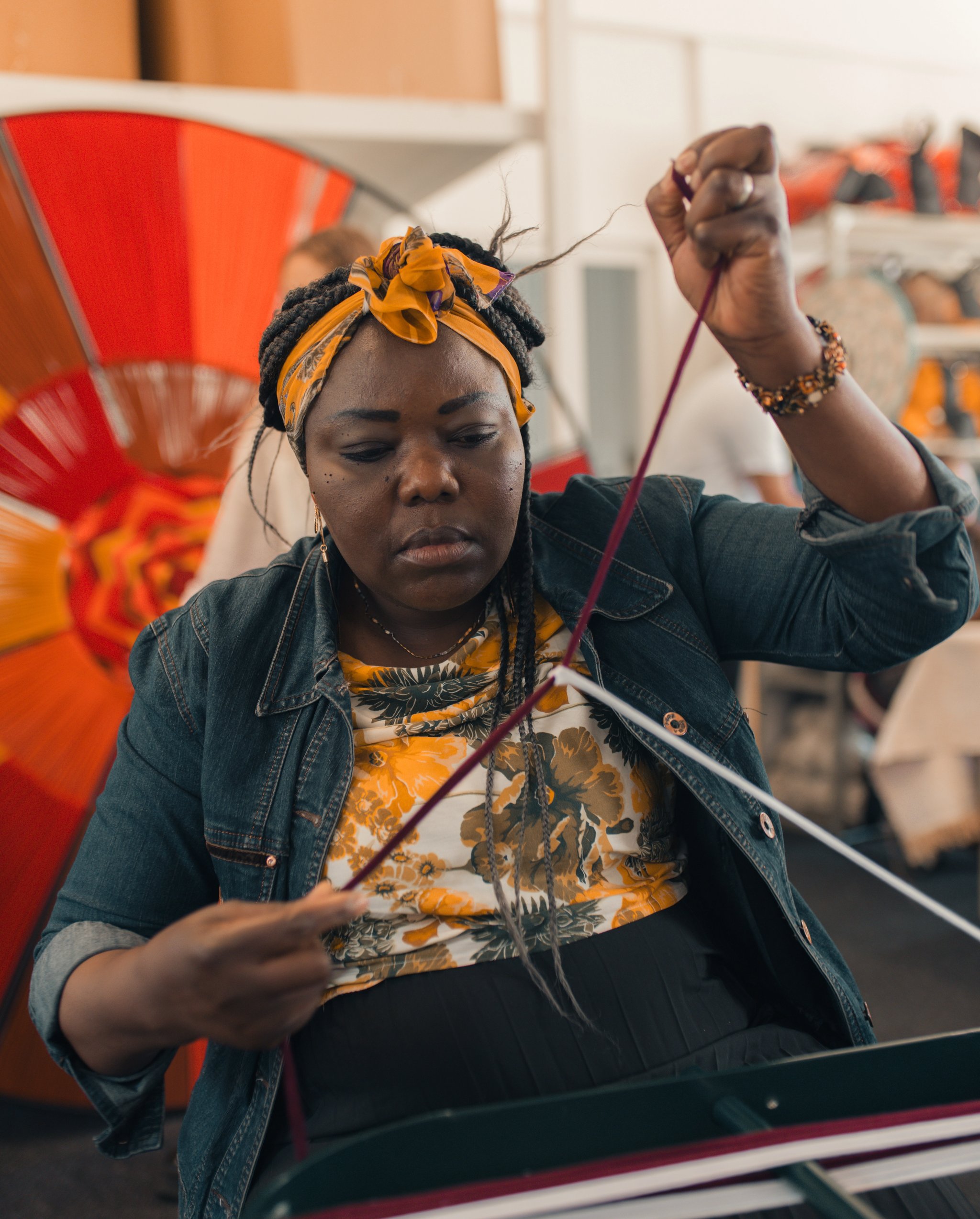
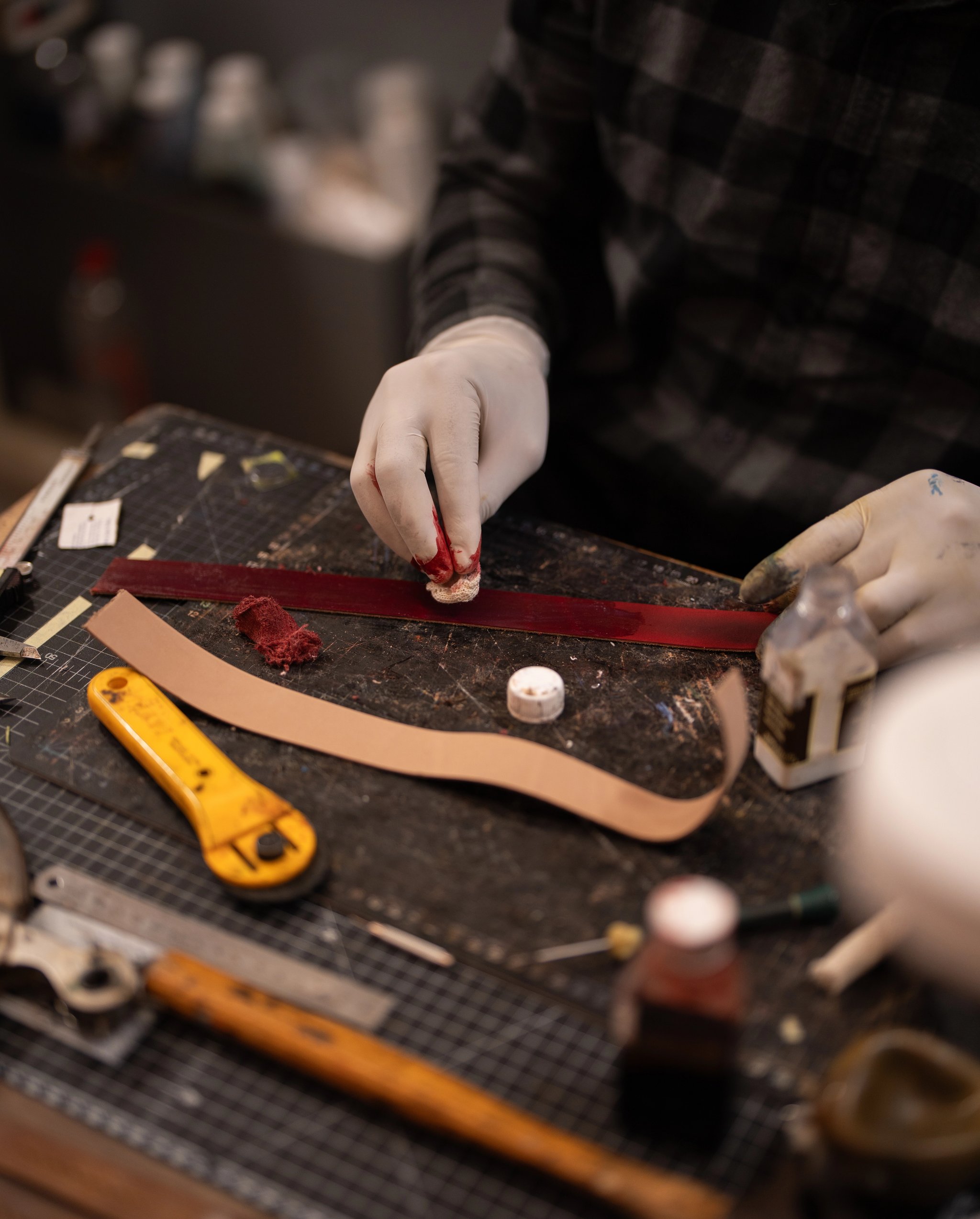
To give an example of this in practice, enterprise development is one of the outstanding features of the most visited destination in Africa – the V&A Waterfront. Originally, the V&A focused on creative enterprise through the development of small-scale crafts into sustainable businesses. Many of the people who benefited were from disadvantaged backgrounds, with low levels of education and limited income-generating skills. This focus has broadened into tech and food start-ups.
The Watershed, which has its origins in the Waterfront Craft Market dating back to 1991, has evolved into the largest indoor art and craft market in the country, supporting and showcasing the best local artisans.
In 2002, the total revenue of enterprise development firms at the V&A was R47 million, growing to R375m by 2020, before the setback of Covid-19. This represents an overall real annual increase of 6.2%, providing quality jobs for particularly the youth.
This is not to mention the V&A’s wider contribution to employment and the economy, as both a major tourist attraction and commercial hub. In 2020 the V&A accounted for a total of 75 000 jobs and a R36.4bn total contribution to GDP, R4.5bn in taxes, and R14.7bn to household incomes.
Jointly owned by the Public Investment Corporation and Growthpoint, it is the finest example in Africa of the power of public-private partnerships in driving economic development and opportunity.
It is a clear demonstration of the importance of Public-Private collaboration across sectors if South Africa is to extricate itself from the low-growth trap that has blighted the future of millions of our youth.
There is no question that South Africa would be the poorer without international tourism, as would the millions of people directly and indirectly benefiting from the tourism value chain. We found this out to our cost during the Covid-19 pandemic and it is a lesson in misery we would not wish to repeat.
As things stand, despite a strong recovery over the past few years since travel restrictions were lifted, and while Cape Town and the Western Cape are enjoying international visitorship levels at 15% above pre covid levels, unfortunately the industry throughout the country has yet to recover to pre-pandemic levels, and sadly there are clear identifiable reasons for this.
While over-tourism may be a concern in some of the world’s most popular destinations, South Africa is a long-haul destination for most foreign visitors, placing a natural limit on the number of people willing to make the journey and visitor levels are well within sustainable levels.
Even during the water crisis in Cape Town of 2017-2018, controls on water consumption in tourist facilities were sufficient to keep the impact of tourism on the region’s water supply to a minimum. The lessons learnt and measures taken from that period have translated into a strong focus on responsible tourism that ensures the country can enjoy the substantial benefits of foreign tourism without unduly burdening public infrastructure or resources.
Contrary to common belief, the bulk of South Africa’s tourism industry caters to domestic travelers, which accounted for 38 million domestic trips in 2023, contributing R121 billion in spending.
Perceptions of safety are critical to attracting both foreign and domestic tourists, which means one way of ensuring a more geographically even distribution of benefits from tourism is to prioritise their safety throughout the country. This doesn’t have to be at the cost of security for local communities, and in fact it goes without saying that reducing crime across the board is in everyone’s interests.
It is equally true that we will never have an adequately resourced police service without a growing economy that lifts government revenue above its current anaemic levels to enable increased spending on security and other public goods. Tourism is among the most promising sectors to help secure that growth which at the same time would contribute to higher levels of employment and less opportunity for criminal networks to recruit people with no hope of a better future into their ranks.
This is especially so because the tourism industry presents a relatively low barrier to entry for employment.
Wishing away lucrative sources of foreign currency is decidedly not the way to achieve this growth.
We’d love to hear from you.
Whether you’re exploring a new career with us, interested in becoming a tenant or business partner, or just have a question, we’re here to help.