André Theys, Executive Manager: Operations at the V&A
In doing so, it will also benefit the wider community. “The V&A’s sustainability strategy is based on a shared value ecosystem in which everyone at the Waterfront – tenants, residents, staff and visitors – works together to make our precinct the best it can be” says Theys.
“But we’re also keen to share the value we offer with the whole of Cape Town and even South Africa. By being proactively innovative, we can showcase what’s possible and provide proof points that make it easier for others to follow in our footsteps. The PPA with Etana Energy is a great example of this approach.
Shared value ecosystems are becoming increasingly important as businesses look for new ways to create value and give back to society. They offer a promising approach to solving some of the world’s most pressing problems.”
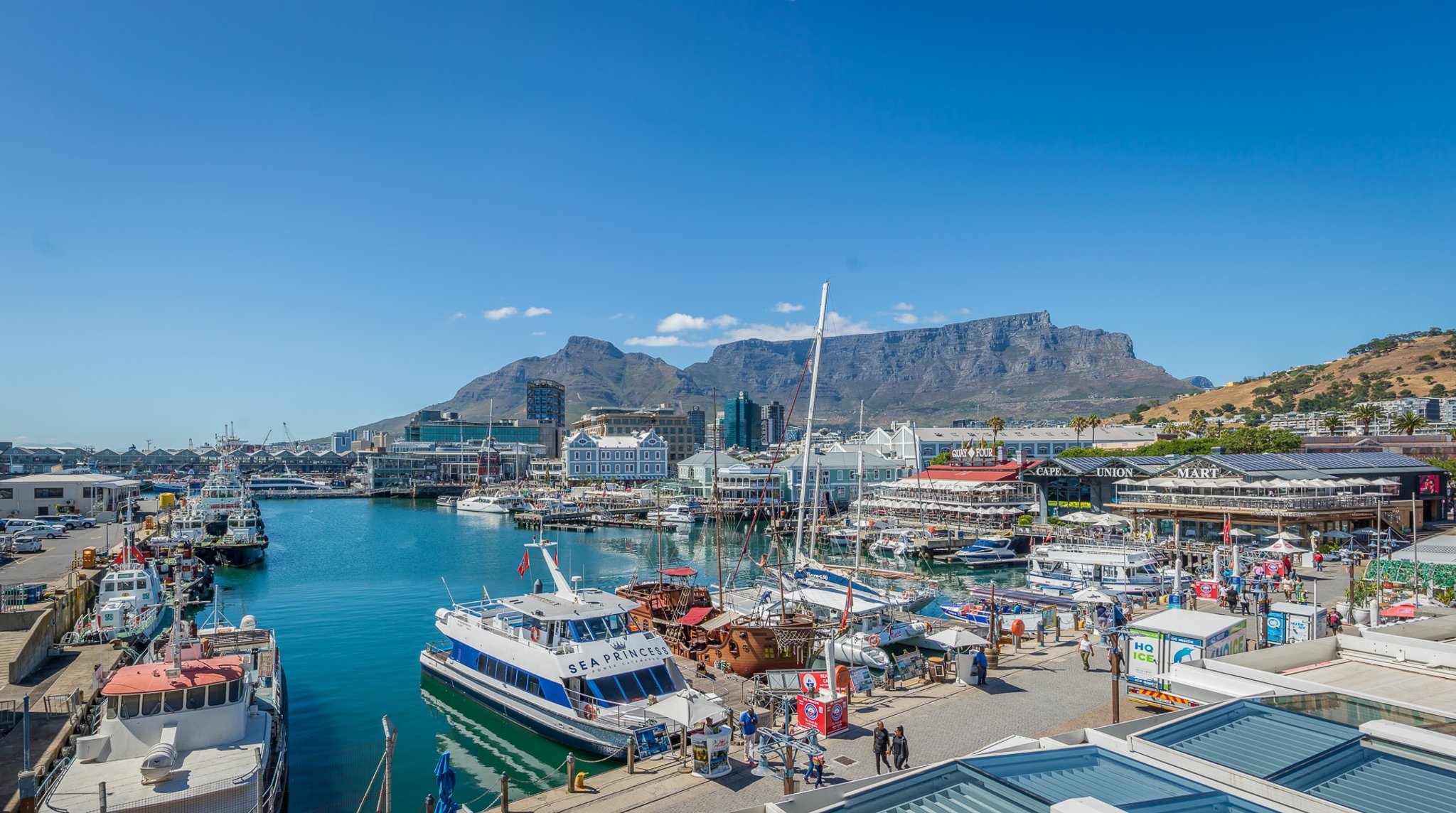
Energy efficiency is one of the key pillars of the V&A sustainability strategy, and with the addition of the Waterfront’s rooftop solar installations almost 80% of the neighbourhood’s electricity will come from renewable sources when the Etana agreement becomes operational.
The V&A, with 24 million visitors a year, has already reduced its carbon emissions by 47%, its water use by 61%, and all organic and recyclable waste – 62% of the total – is diverted from landfills. Single-use plastic will be phased out by 2025.
The precinct’s planned waste-to-energy pyrolysis plant will produce synthetic gas for electricity, complementing solar power, and a blackwater treatment plant produces treated effluent that is used to flush toilets. A desalination plant has the capacity to take the entire neighbourhood off the City of Cape Town water supply.