Community
International African Penguin Awareness Day
12 October 20203 Min read

From quick bites to leisurely meals, the V&A Waterfront offers something for every appetite. Grab a coffee between stops, settle in for a sunset dinner, or explore flavours from around the world.
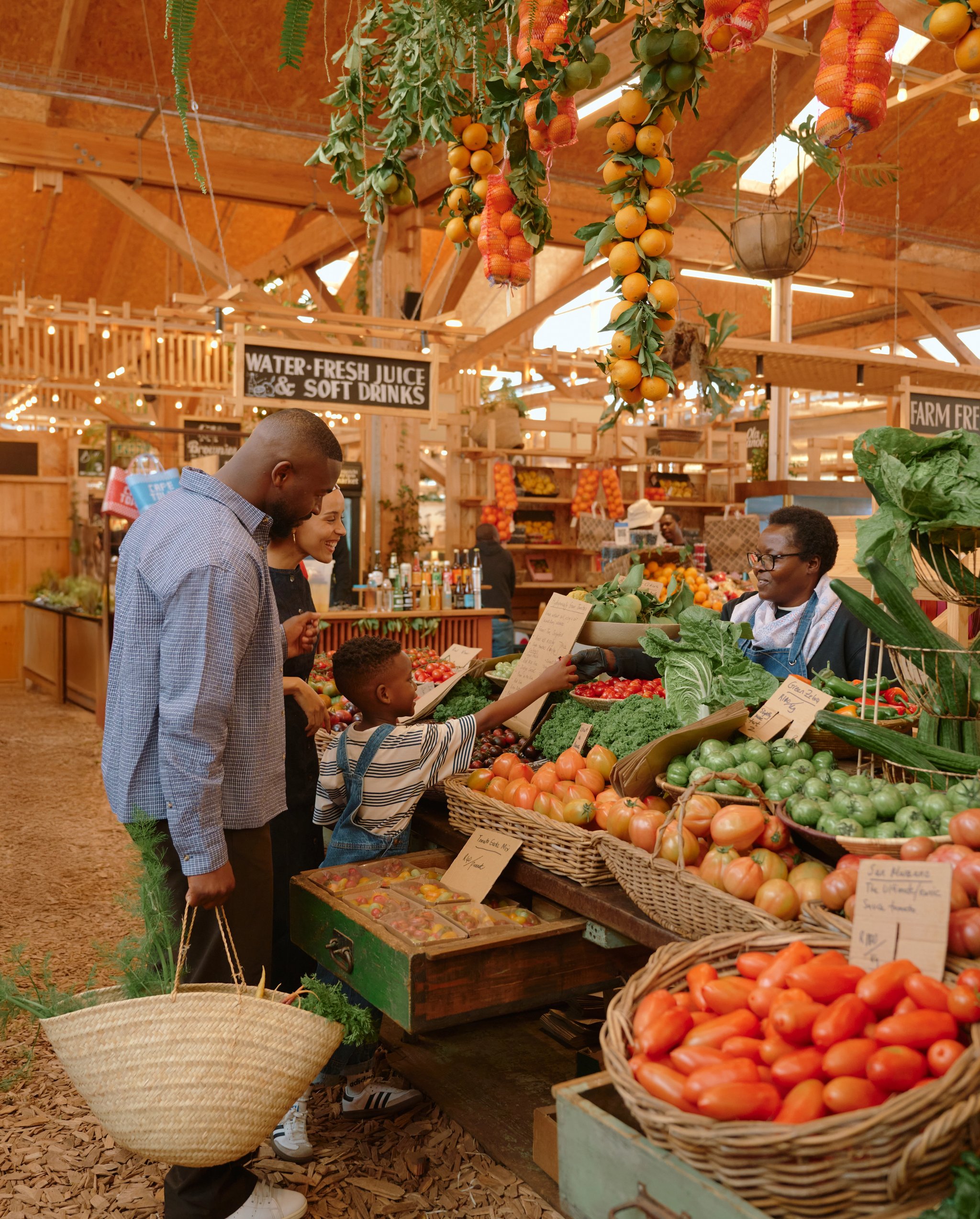
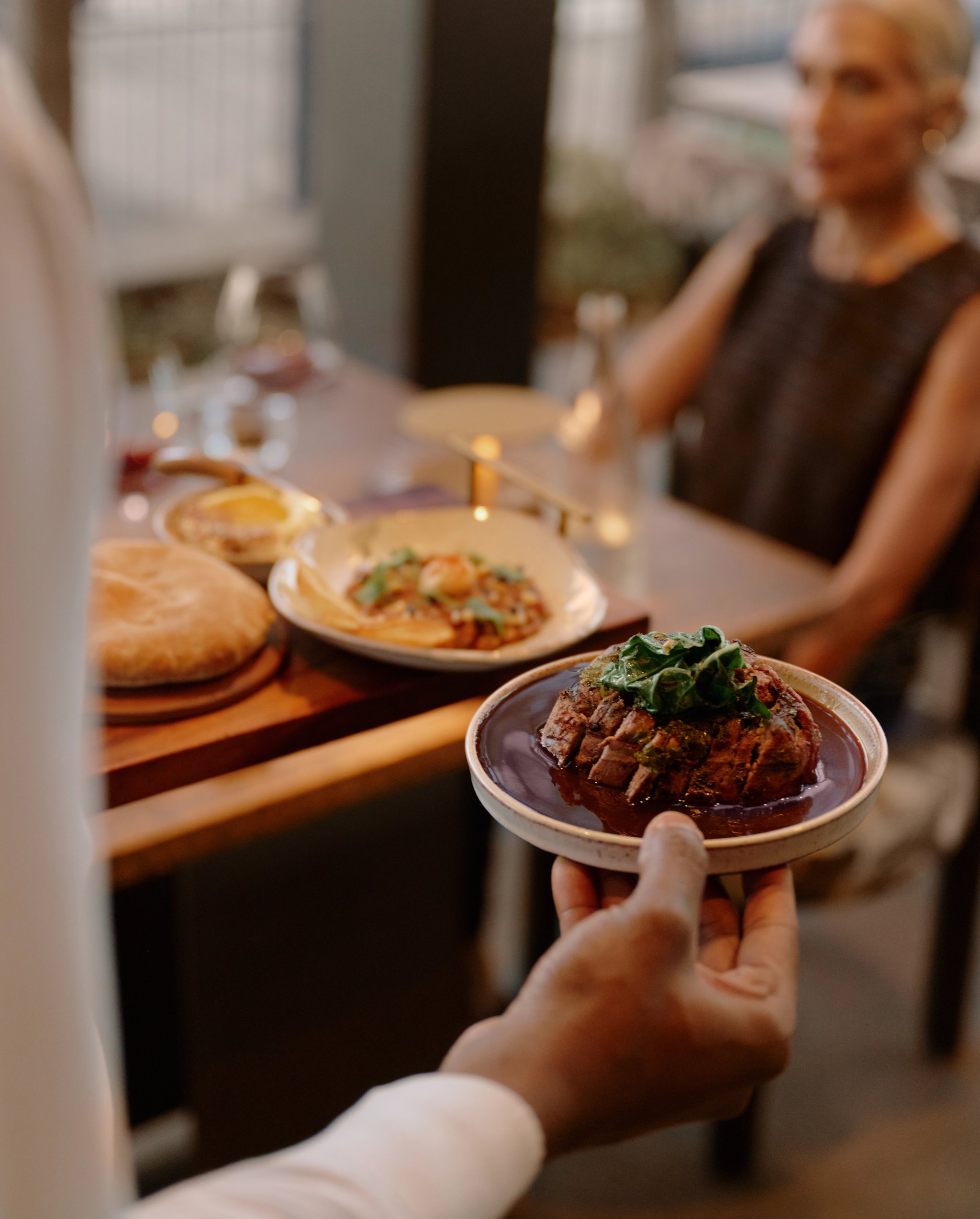
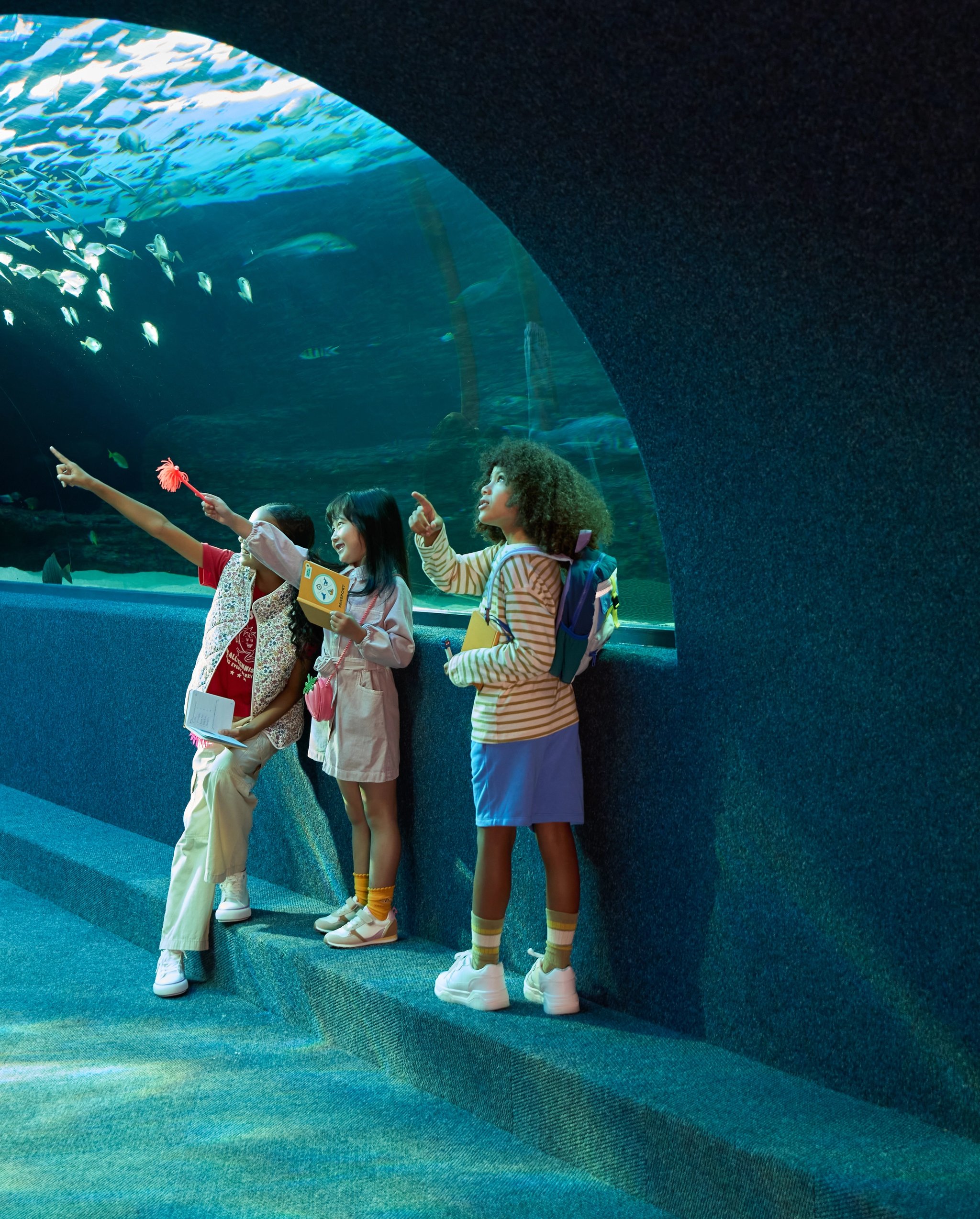
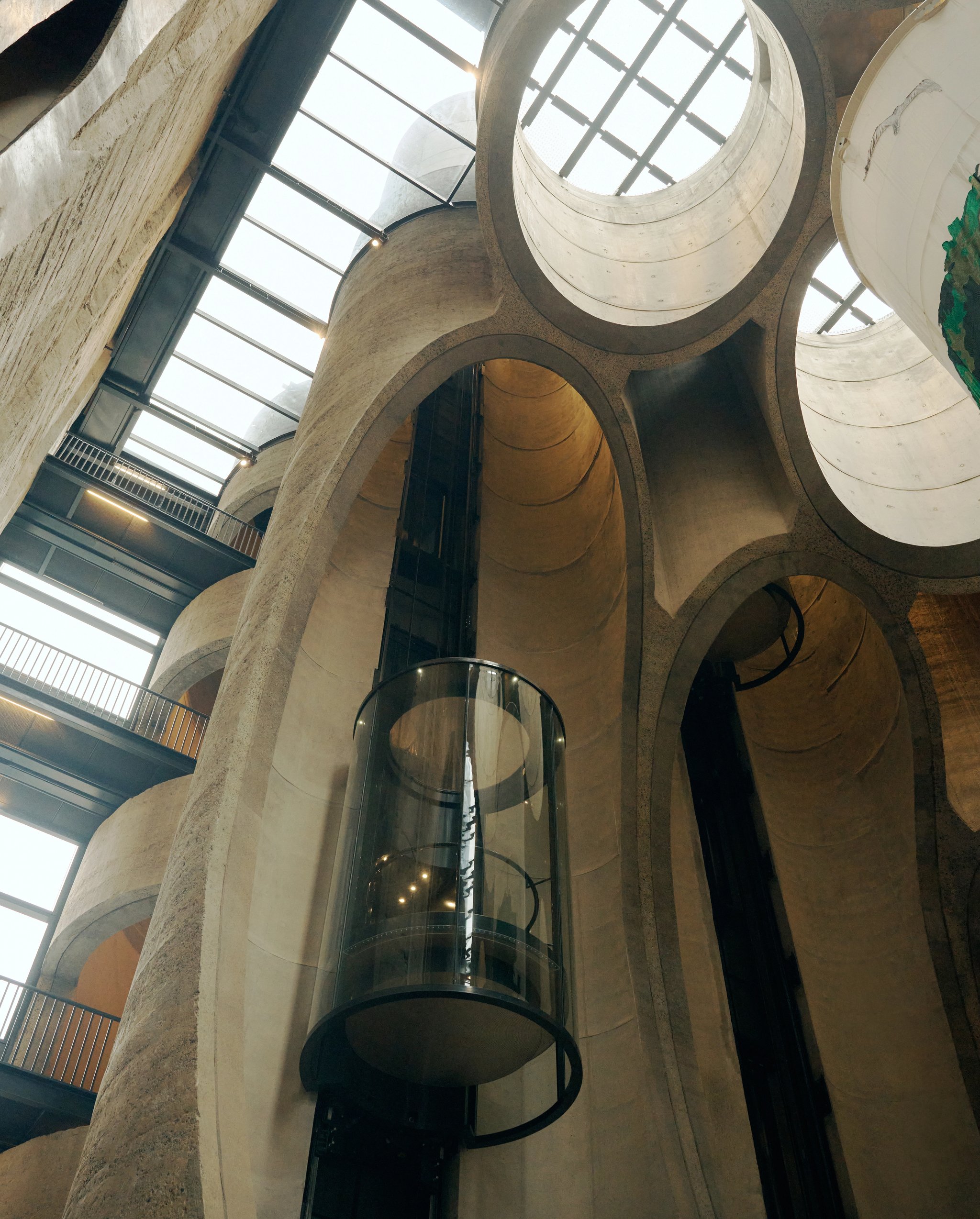
A neighbourhood that’s yours to discover. From world-class museums and iconic attractions to harbour gems, there are memorable experiences around every corner. Whether it's your first visit or your daily fix, there's always a new reason to explore.
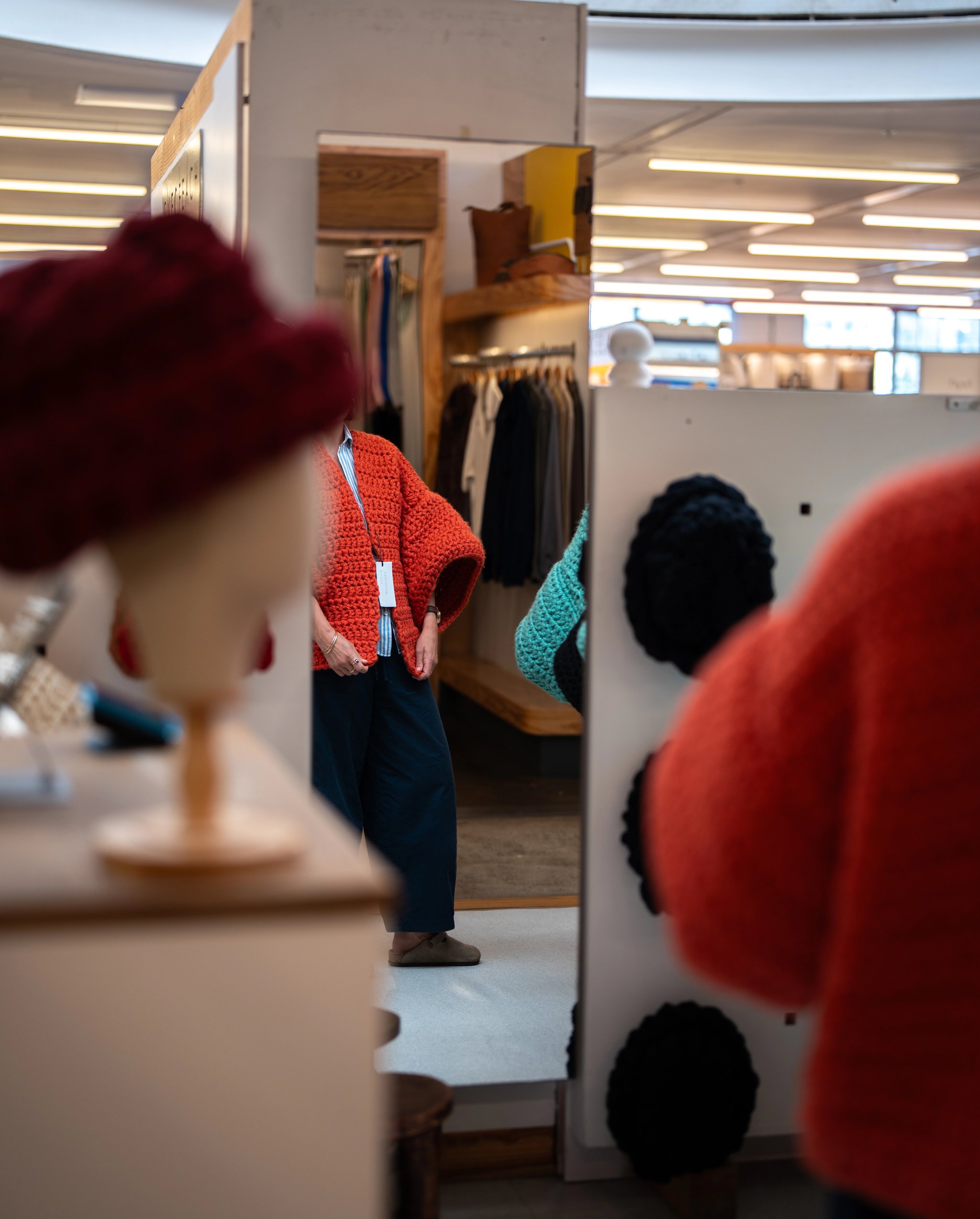
Expect the unexpected. From global brands to unique finds by local makers, there’s something for every shopper. This is world-class shopping with an African twist.
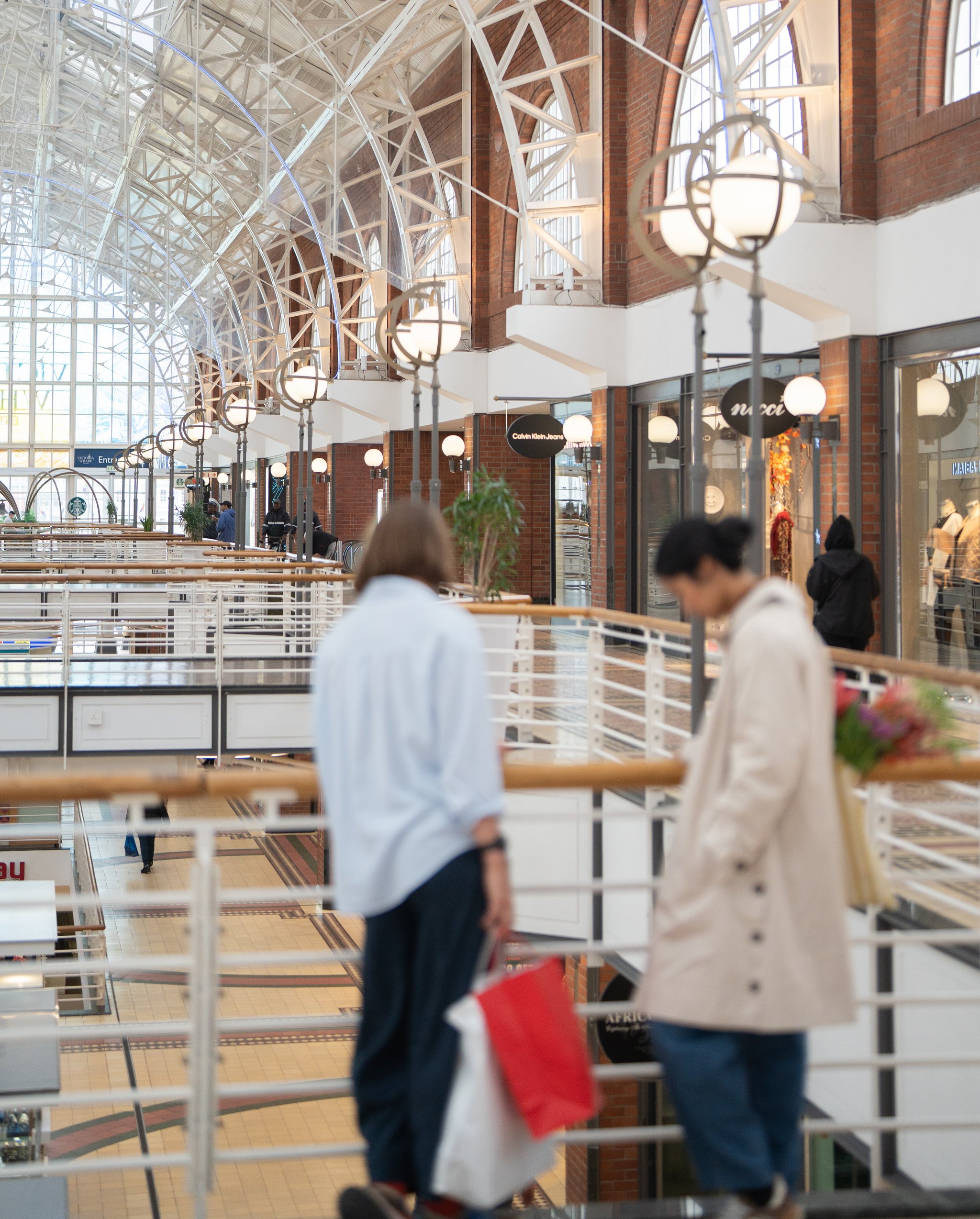
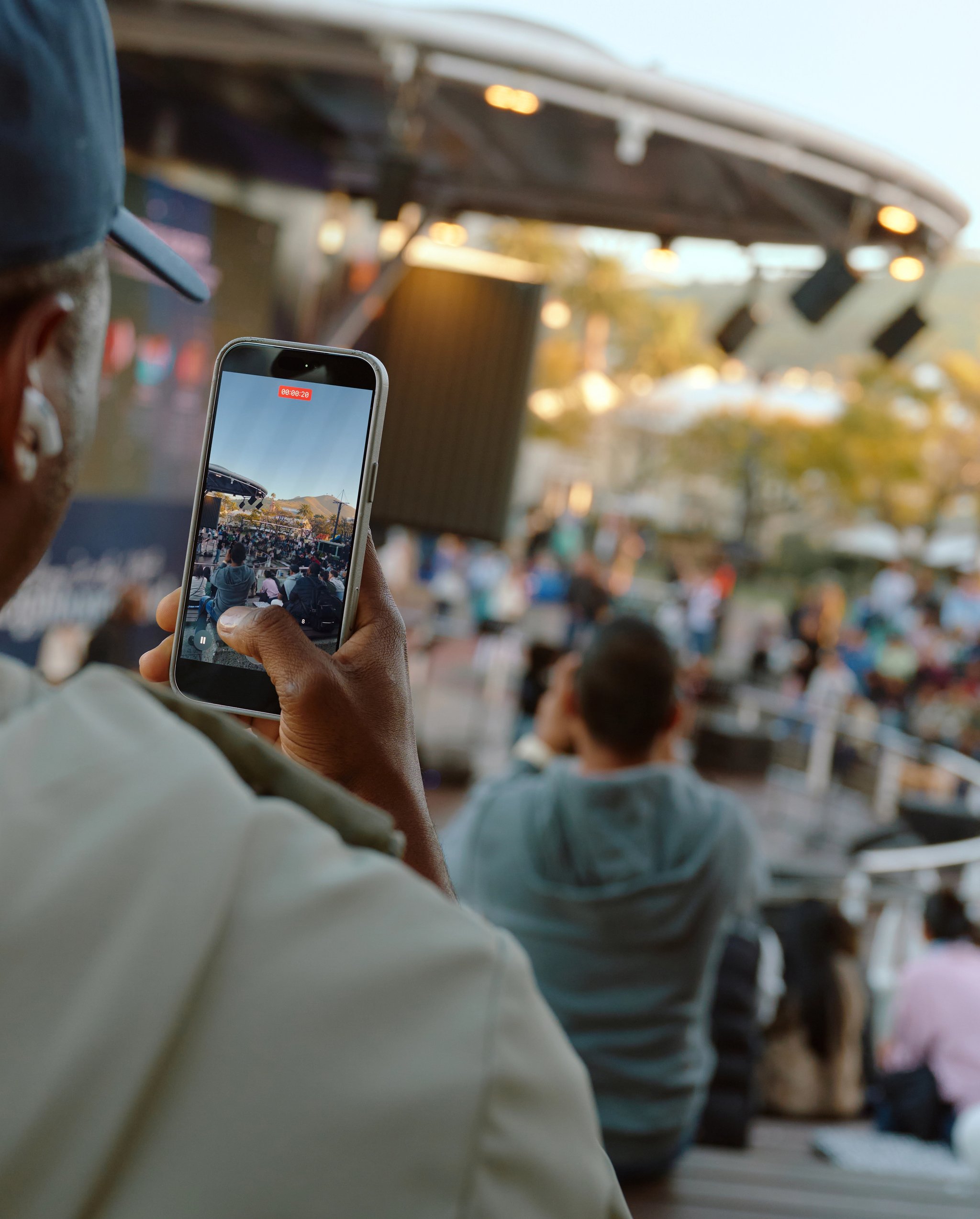
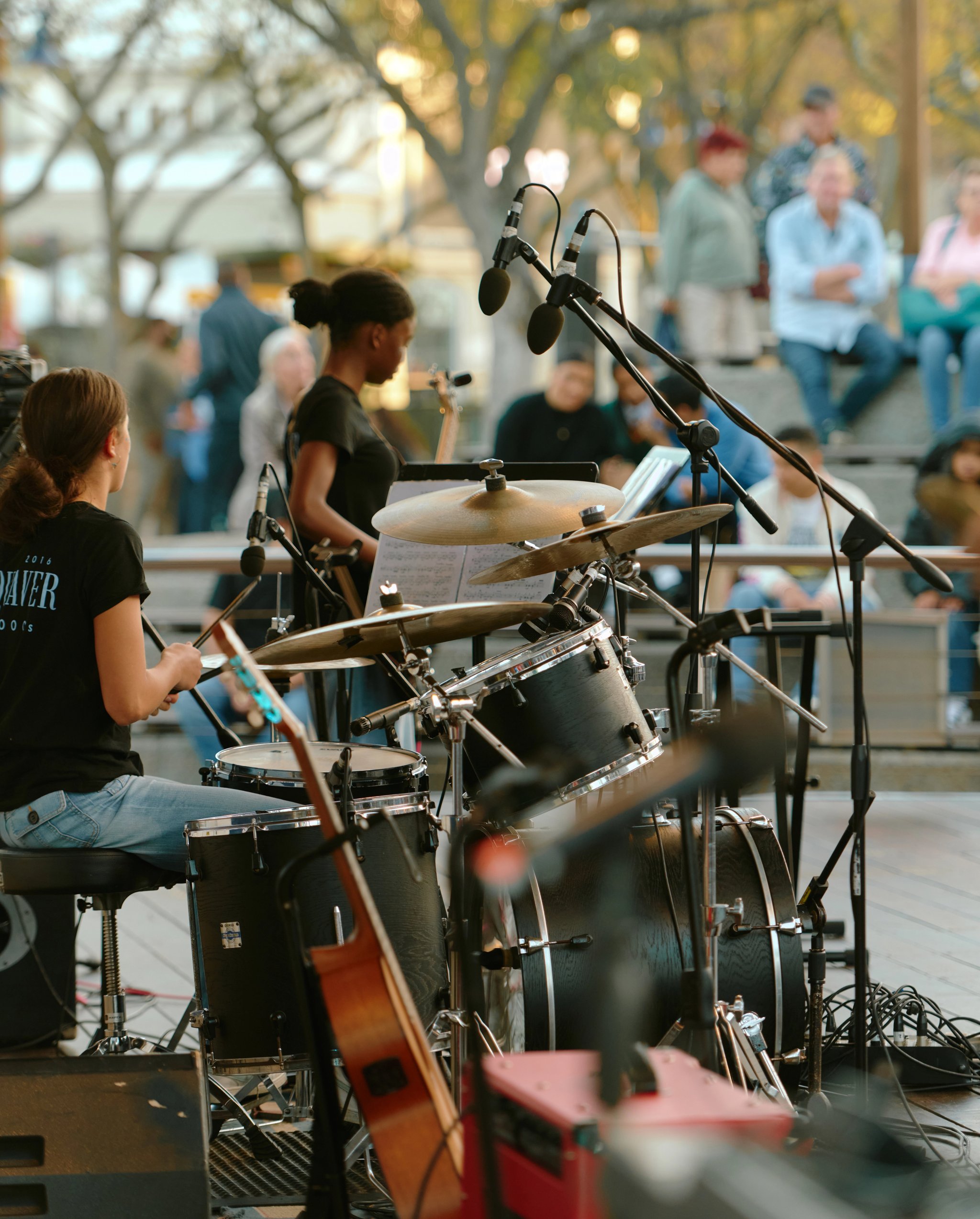
Our neighbourhood is the place to be! From seasonal events to top performances, there’s always something to look forward to. Find out what's on so you can plan your next memorable experience.
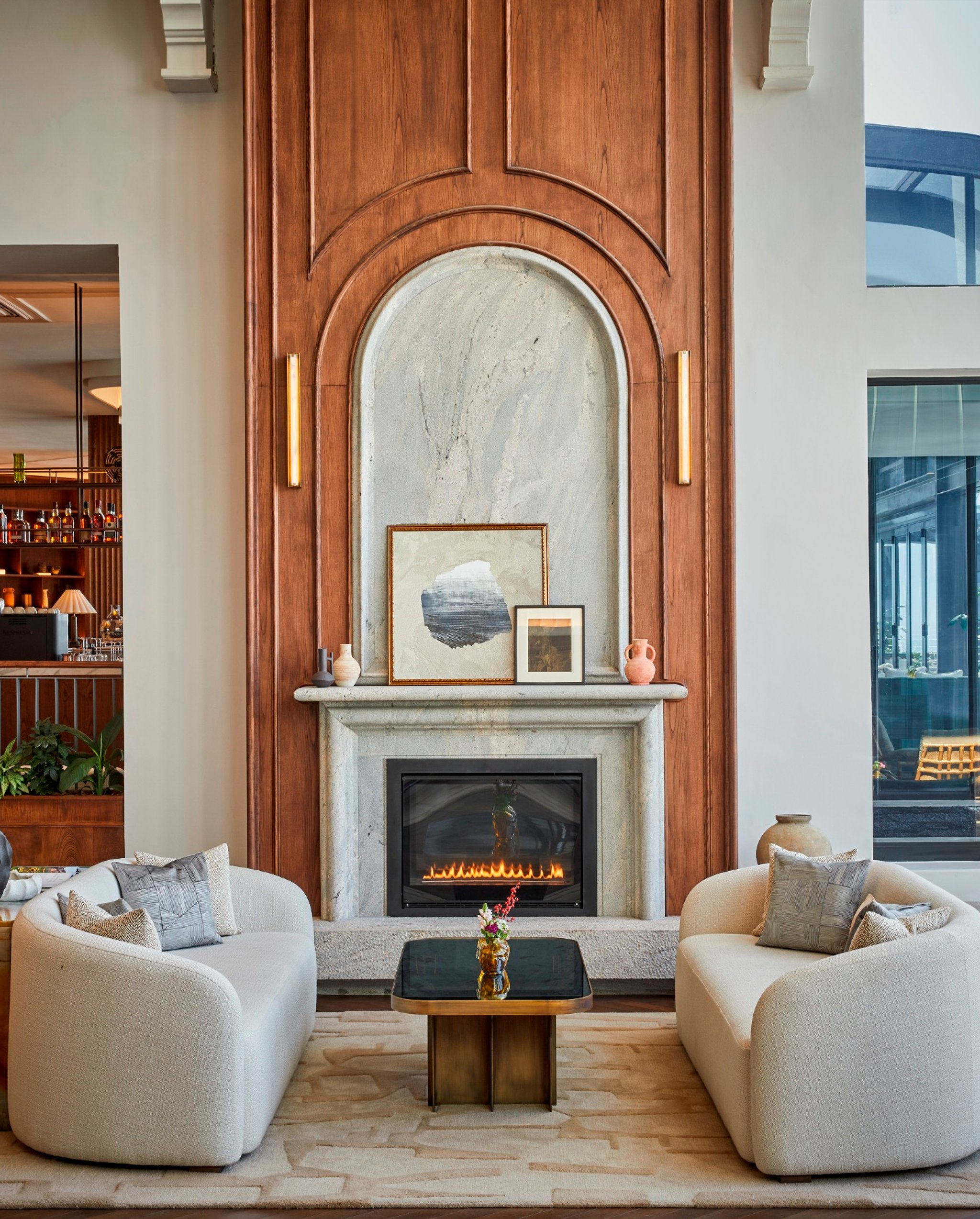
Hotels at the V&A Waterfront offer a unique experience inside a neighbourhood that has been alive for over 160 years.
From intimate boutique properties to five-star resorts, every hotel here sits within a working harbour, a creative economy, and a community where there’s always a reason to stay a little longer.
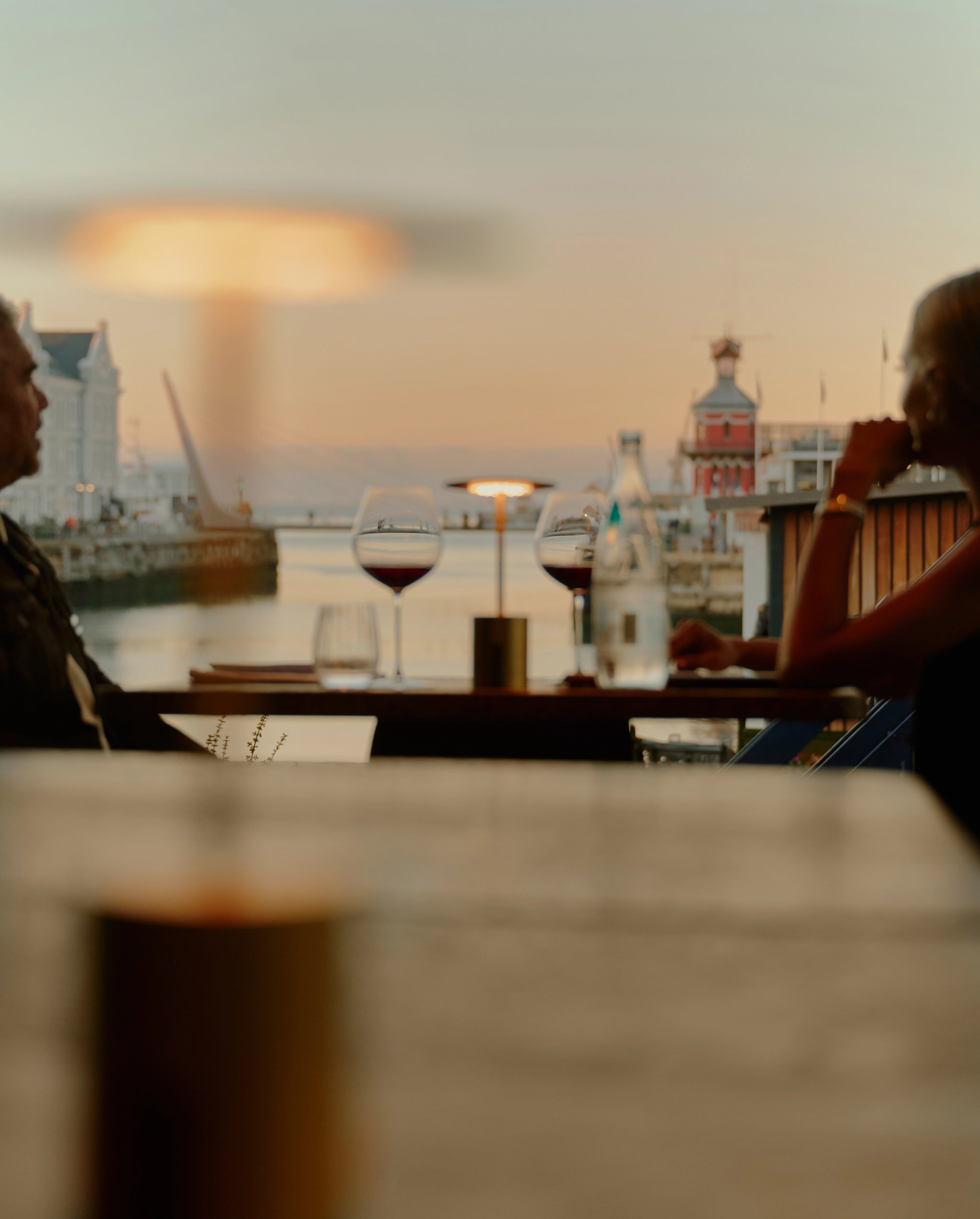
Wake up to the harbour and enjoy your favourite coffee spot as you experience the convenience of having everything within walking distance.
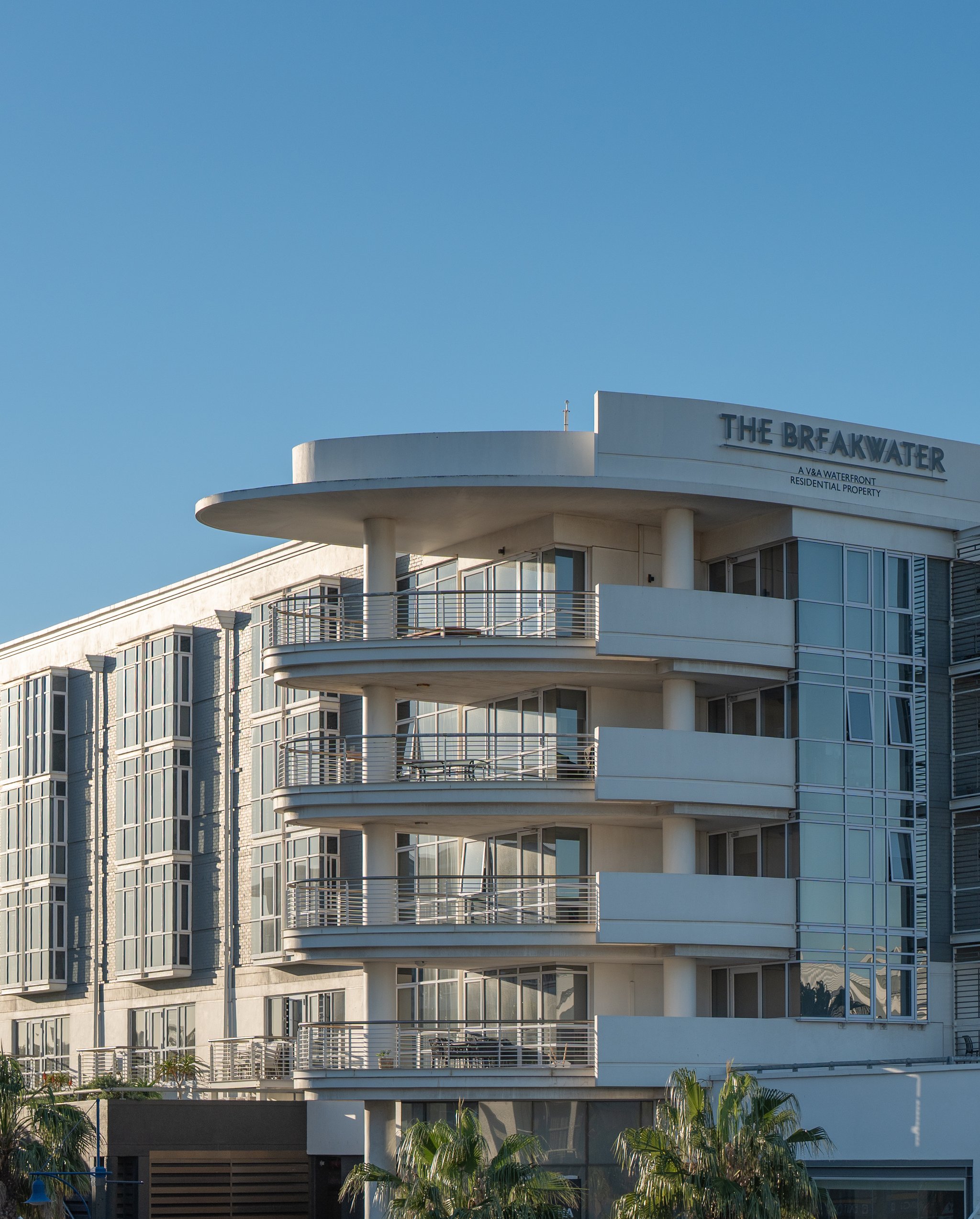
Living at the V&A Waterfront means living inside one of the most connected neighbourhoods in Africa, with everything that comes with it: security, convenience and a view that never gets old.
At the V&A Waterfront, people come together to work, visit, create and belong. More than a destination, it's a neighbourhood of opportunity, supporting 30,000 direct jobs and contributing R45.9 billion to the economy.
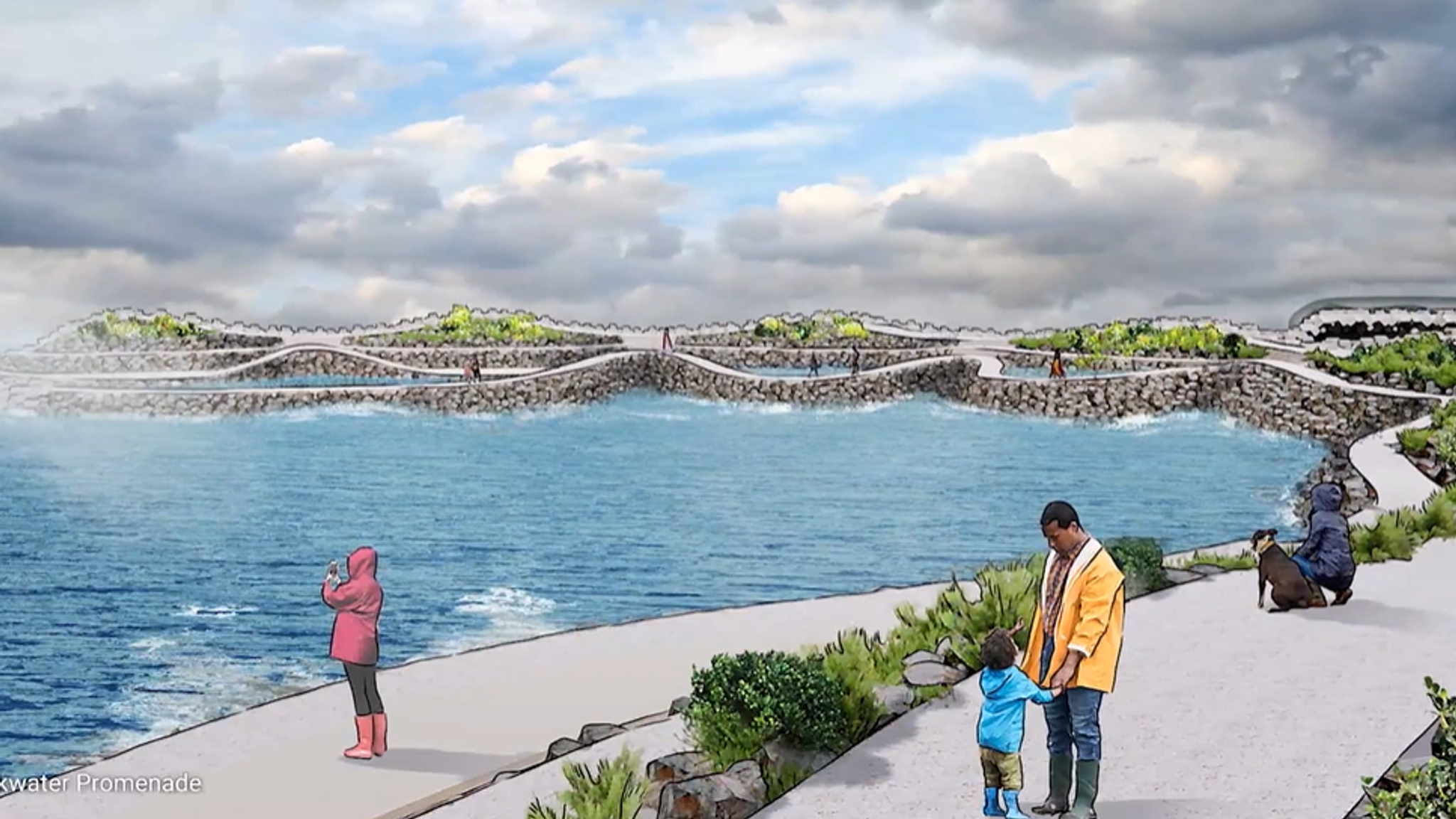
A new stretch of Cape Town’s Atlantic coastline is being opened up to the city. Over the next 15 to 20 years, this R20 billion-plus development will bring new homes, hotels, jobs, public space and a protected bay for swimming, kayaking and boating. A 540-metre seawall will help protect the coastline, while a new coastal walkway will connect the V&A directly to the Sea Point promenade.
African penguins are the only penguin species found on the African continent. In the last century, their numbers have declined dramatically and current estimates suggest that there are only between 60 000 and 70 000 individual birds left in the wild – this, when their population numbers were in the millions at the turn of the 20th century. With less than 20 000 breeding pairs currently left, scientists estimate that if their numbers continue to decline at the current rate, these charismatic and endemic birds will be functionally extinct in the wild within 15 to 20 years.
One of the biggest threats that these birds face is food availability. Being reliant on small fish like anchovies and sardines for food, African penguins are finding it more and more difficult to find sufficient food for themselves and their chicks. The low fish stocks are due to overfishing as well as changes in the marine ecosystem caused by climate change, and biodiversity loss. Adult penguins have to swim further and further away from their nesting grounds to find food, which not only compromises the chicks on the nests, but also the adult birds themselves.
African penguins nest by burrowing into the substrate. On islands where these penguins have their nests, guano layers, formed over hundreds and hundreds of years, are the basis of the substrate. Historically, penguin guano was used as fertiliser and was collected from these islands. The fact that the penguins’ nesting areas have been stripped of nesting material has resulted in the birds being exposed to extreme weather events and other climate change-related phenomena like severe heat and cold. Predation by marine and terrestrial animals, pollution, habitat loss, disease and other human interventions are also contributing to the continued decline in penguin numbers.
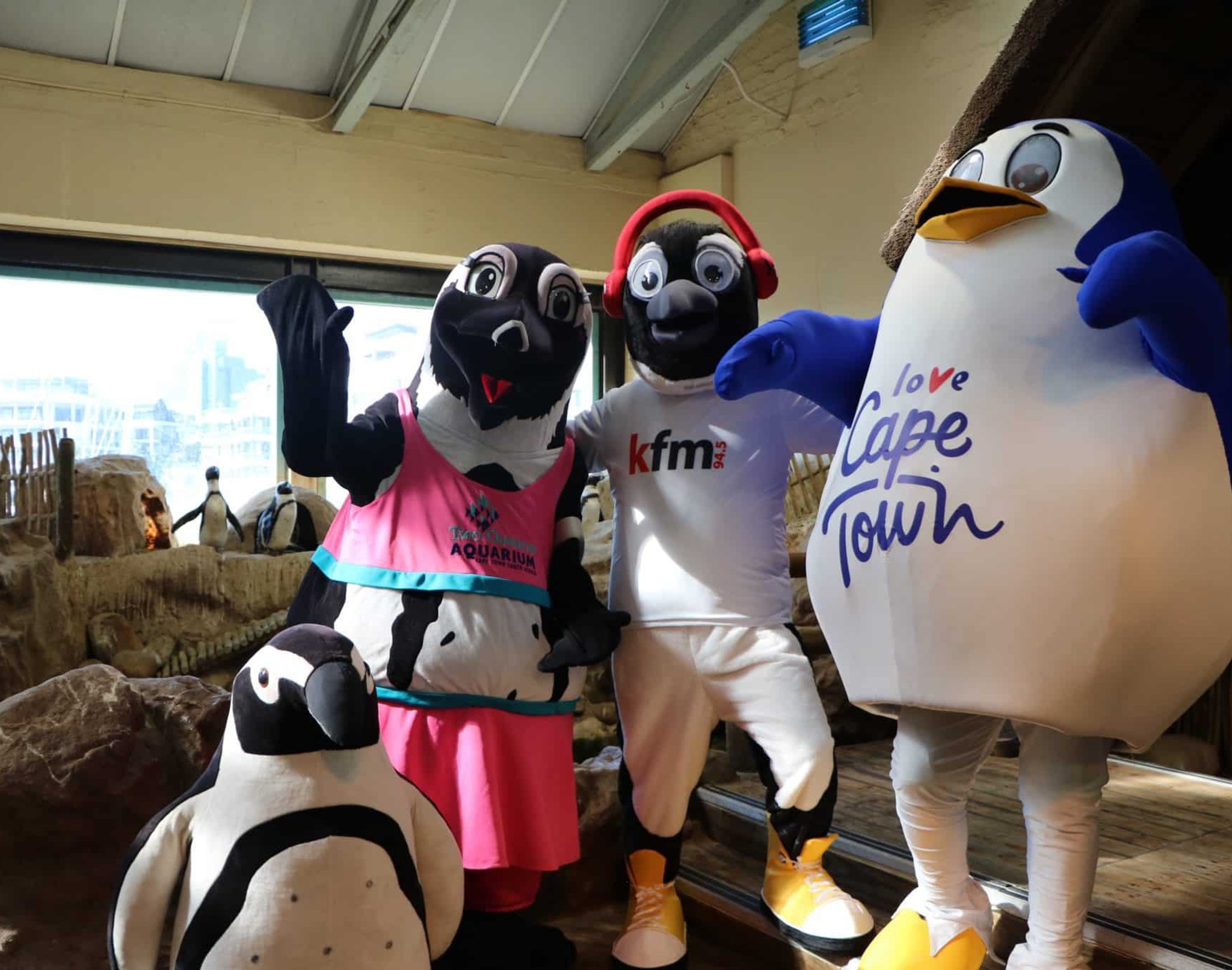
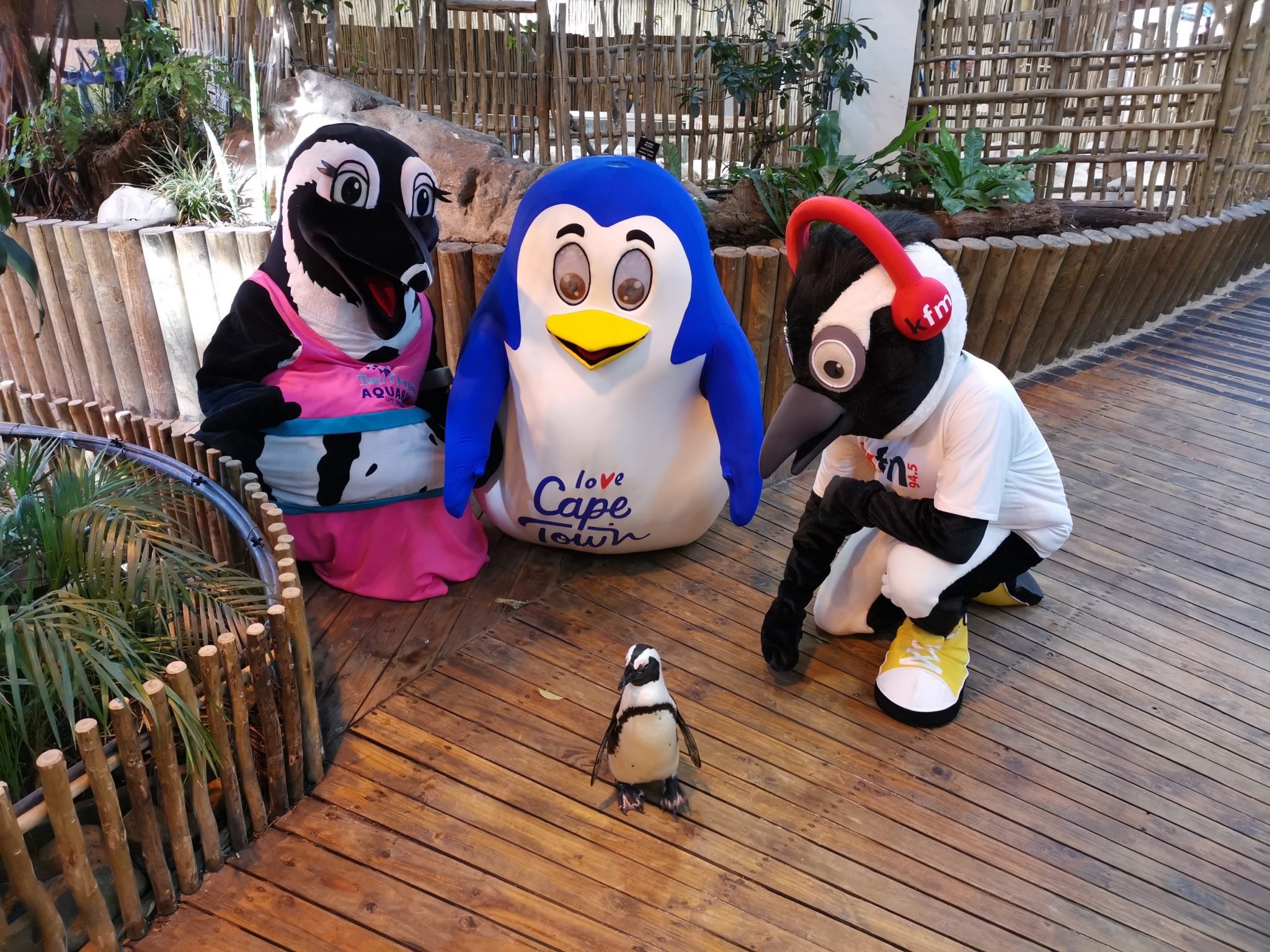
“African penguins do not only act as marine ambassadors and indicator species, but they are also amazing to work with. These birds show tremendous character of life and love. They are an endangered species that is calling out for our help which we can give through education, conservation and awareness. Waddle we do to help them?”, said Shanet Rutgers, Penguin Keeper at the Two Oceans Aquarium.
Published with kind permission from Two Oceans Aquarium.
We’d love to hear from you.
Whether you’re exploring a new career with us, interested in becoming a tenant or business partner, or just have a question, we’re here to help.