Arts & Culture
100 Beautiful Baskets Opens at V&A Waterfront
2 December 20213 Min read


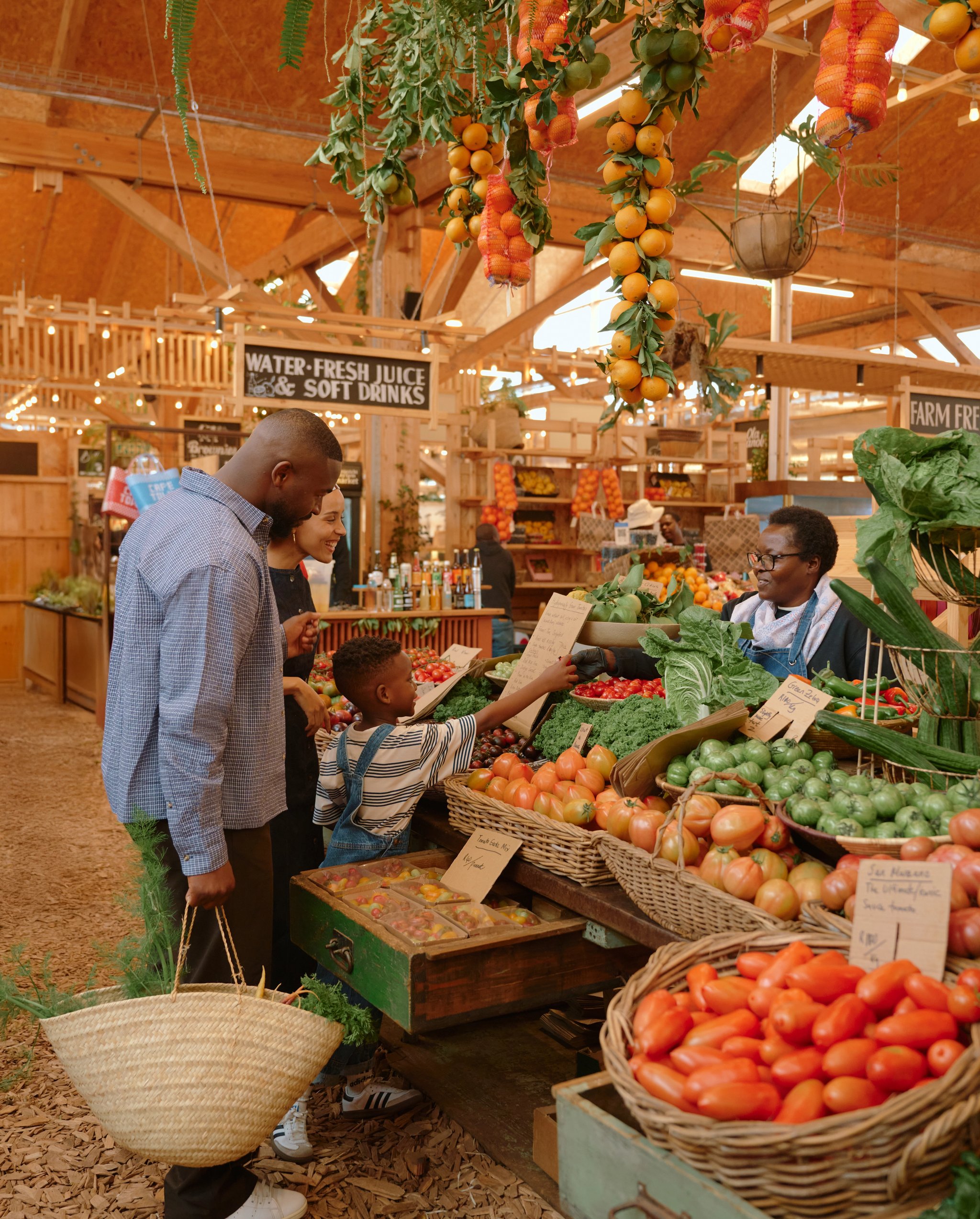
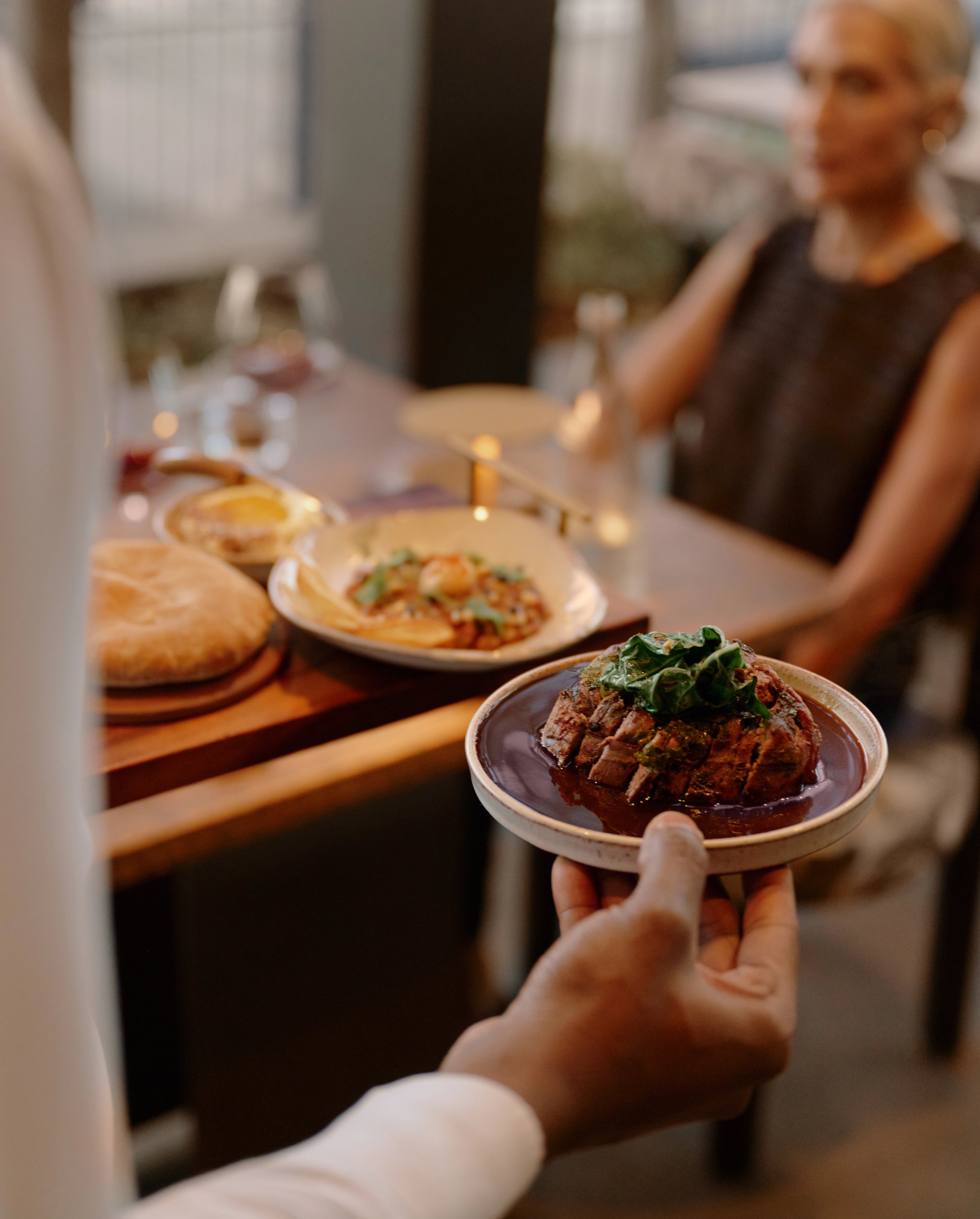
From quick bites to leisurely meals, the V&A Waterfront offers something for every appetite. Grab a coffee between stops, settle in for a sunset dinner, or explore flavours from around the world.
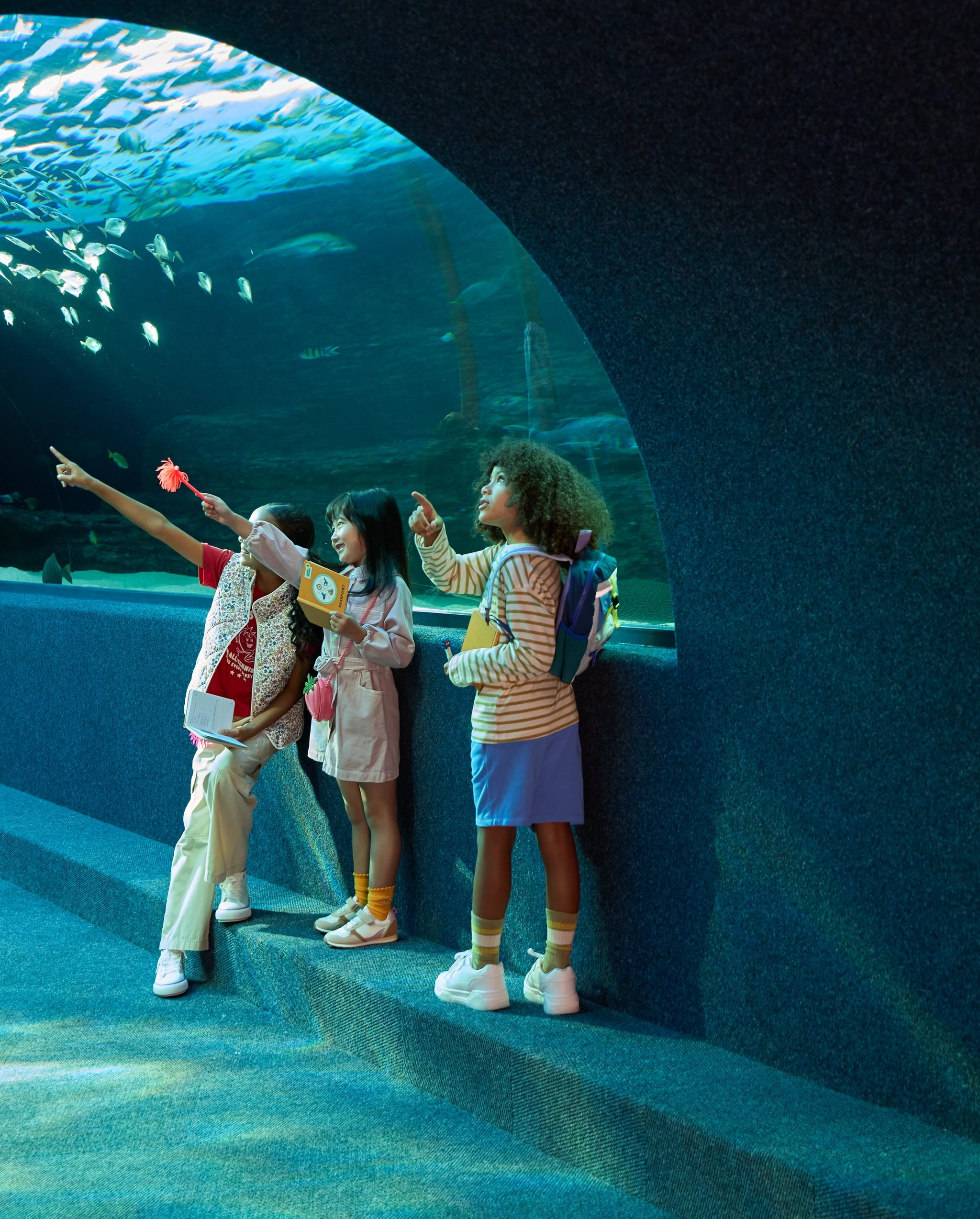
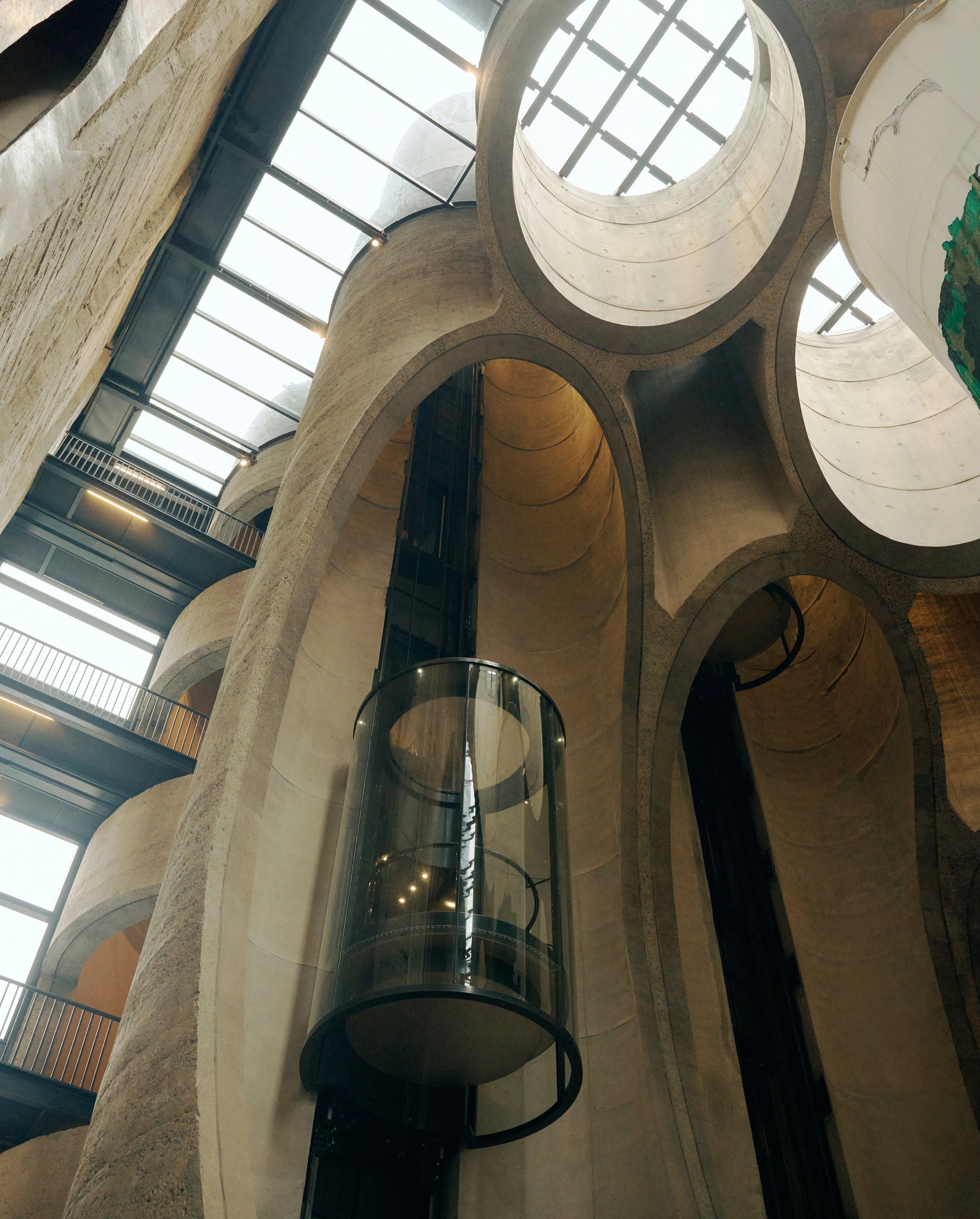
A neighbourhood that’s yours to discover. From world-class museums and iconic attractions to harbour gems, there are memorable experiences around every corner. Whether it's your first visit or your daily fix, there's always a new reason to explore.
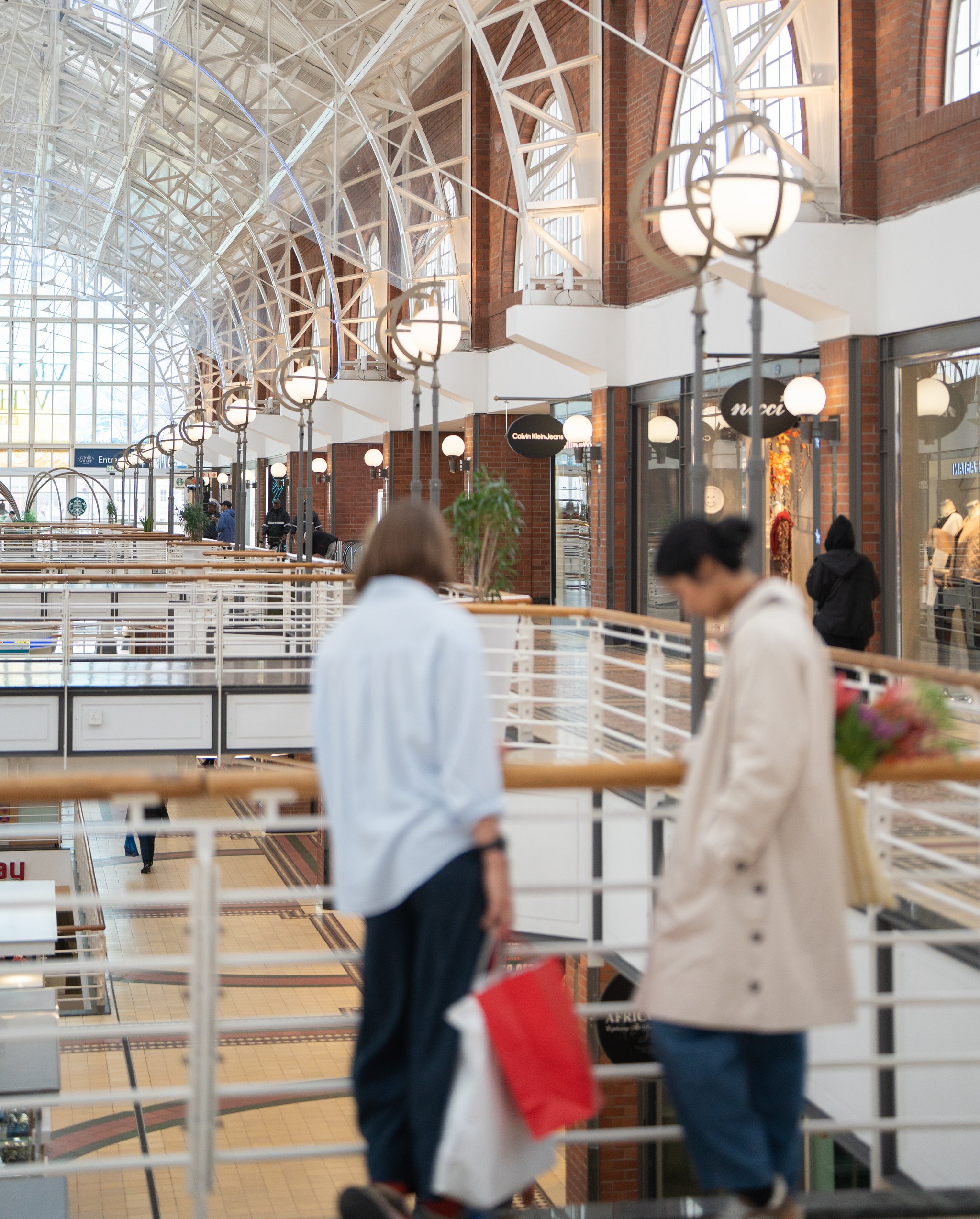
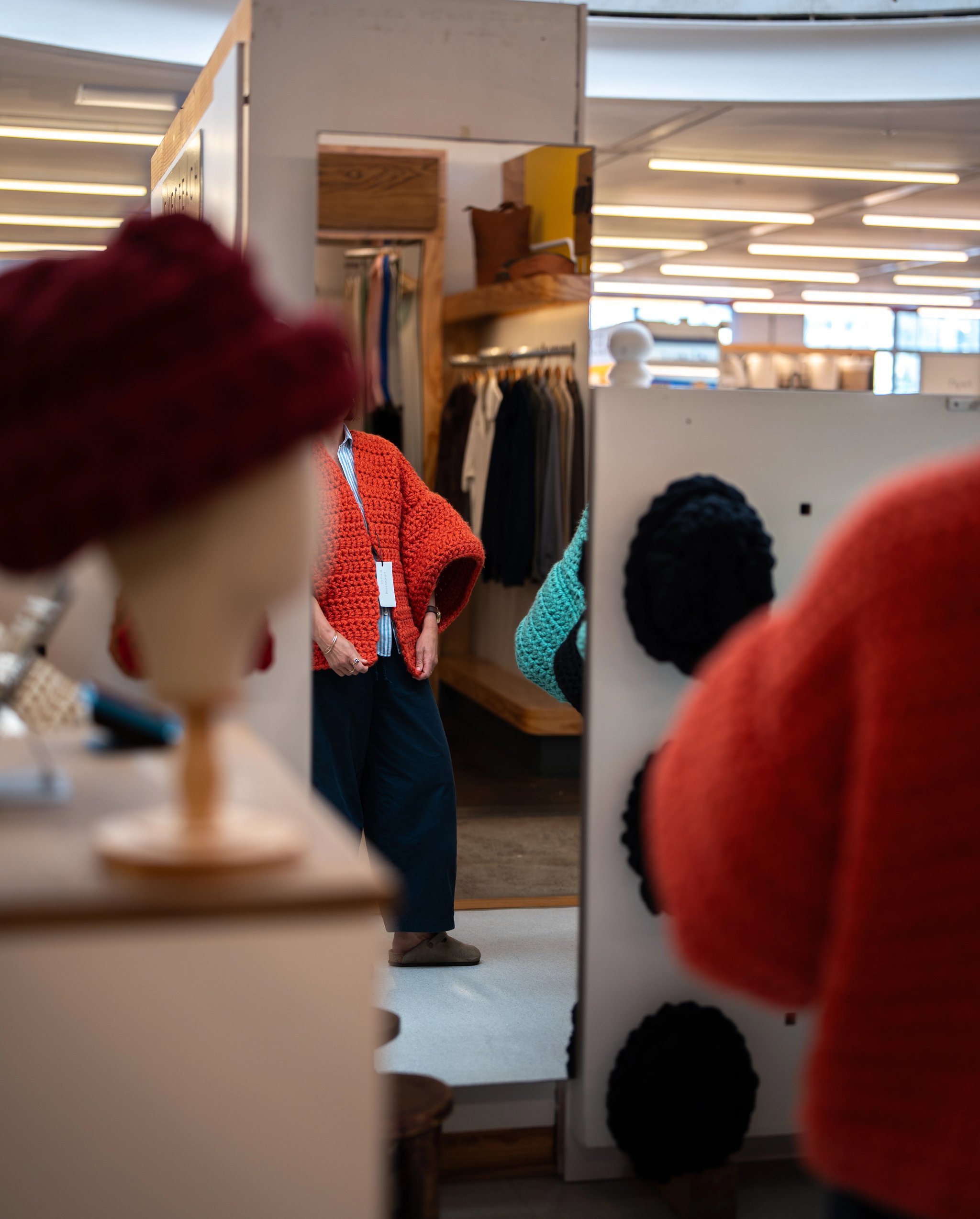
Expect the unexpected. From global brands to unique finds by local makers, there’s something for every shopper. This is world-class shopping with an African twist.
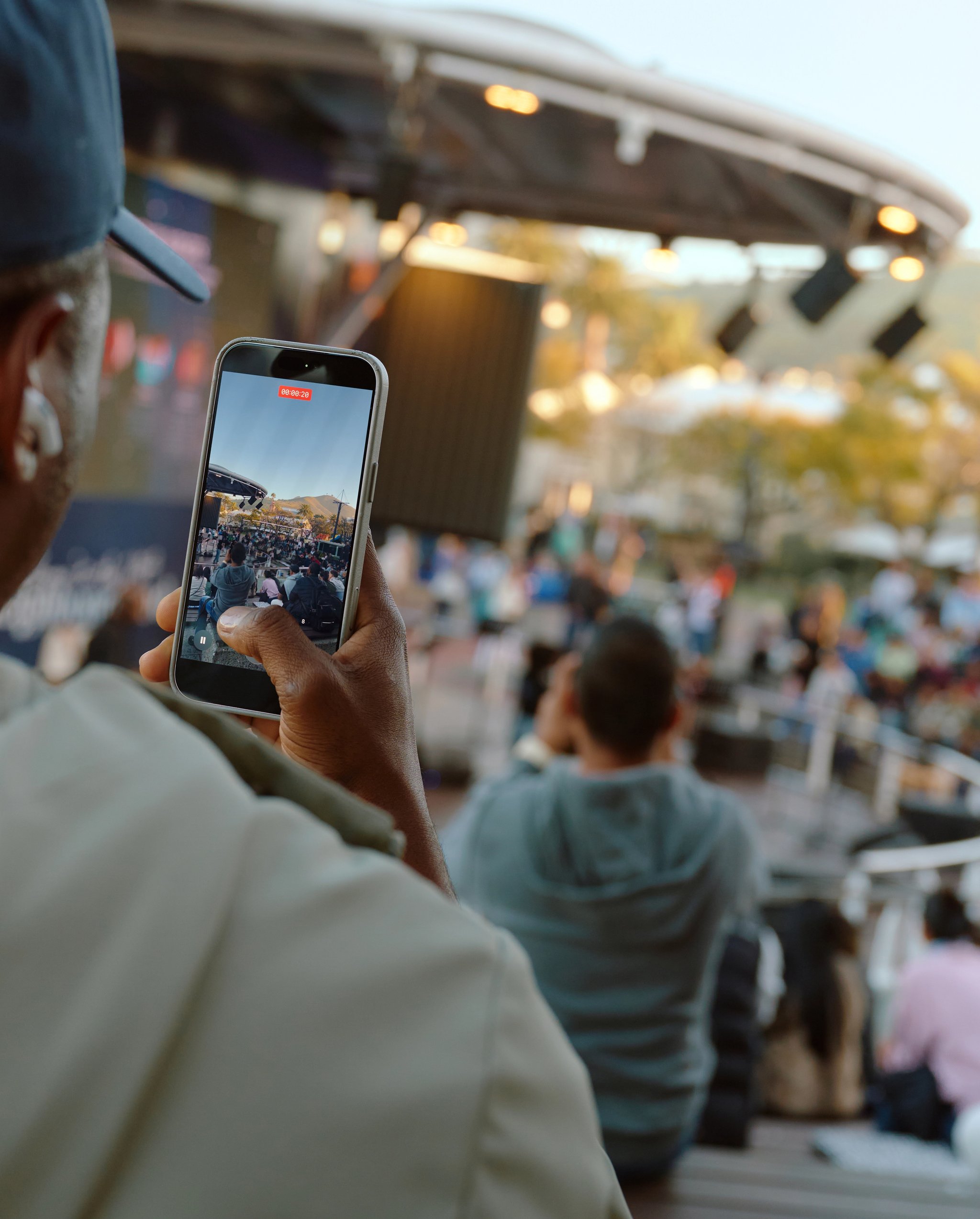
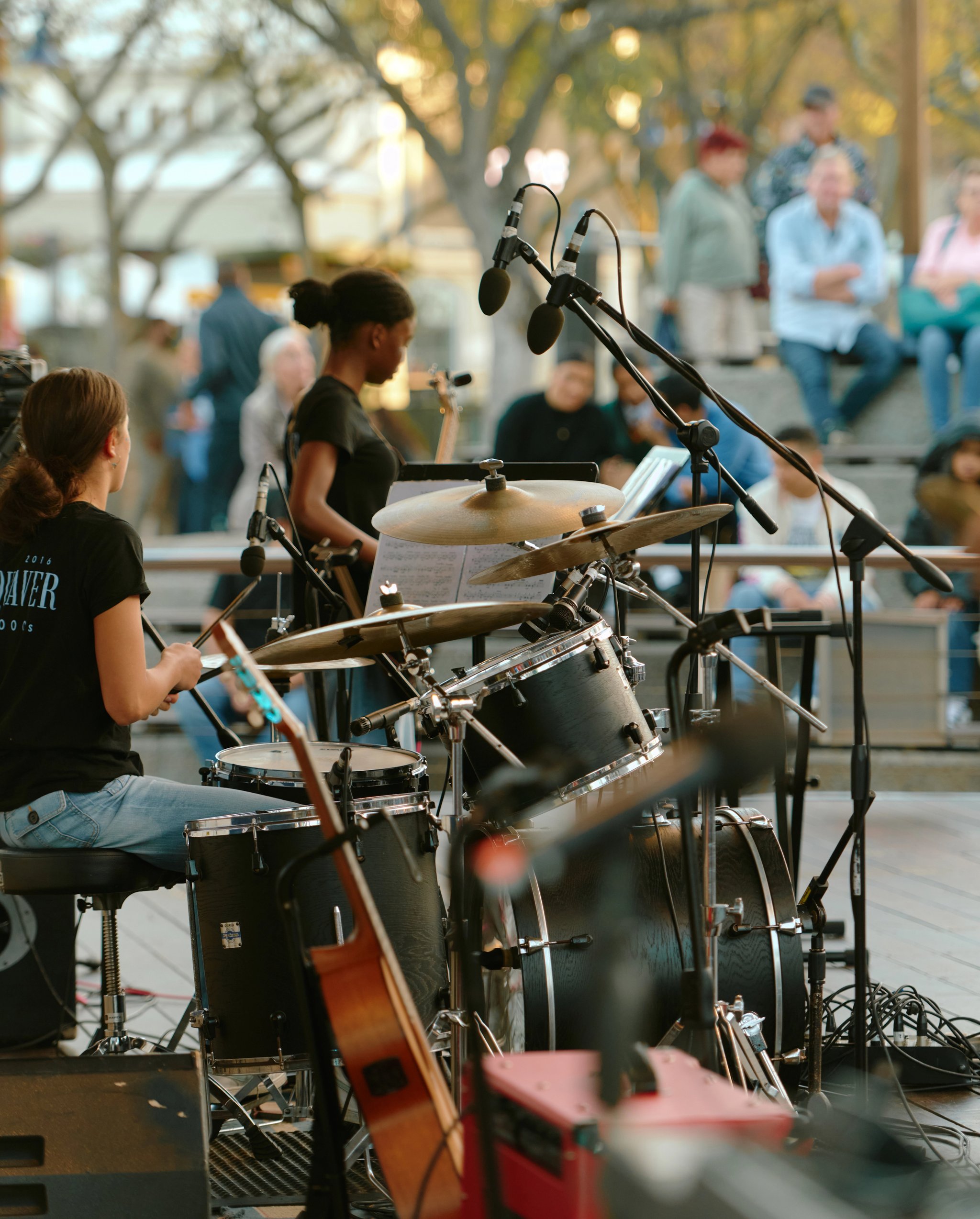
Our neighbourhood is the place to be! From seasonal events to top performances, there’s always something to look forward to. Find out what's on so you can plan your next memorable experience.
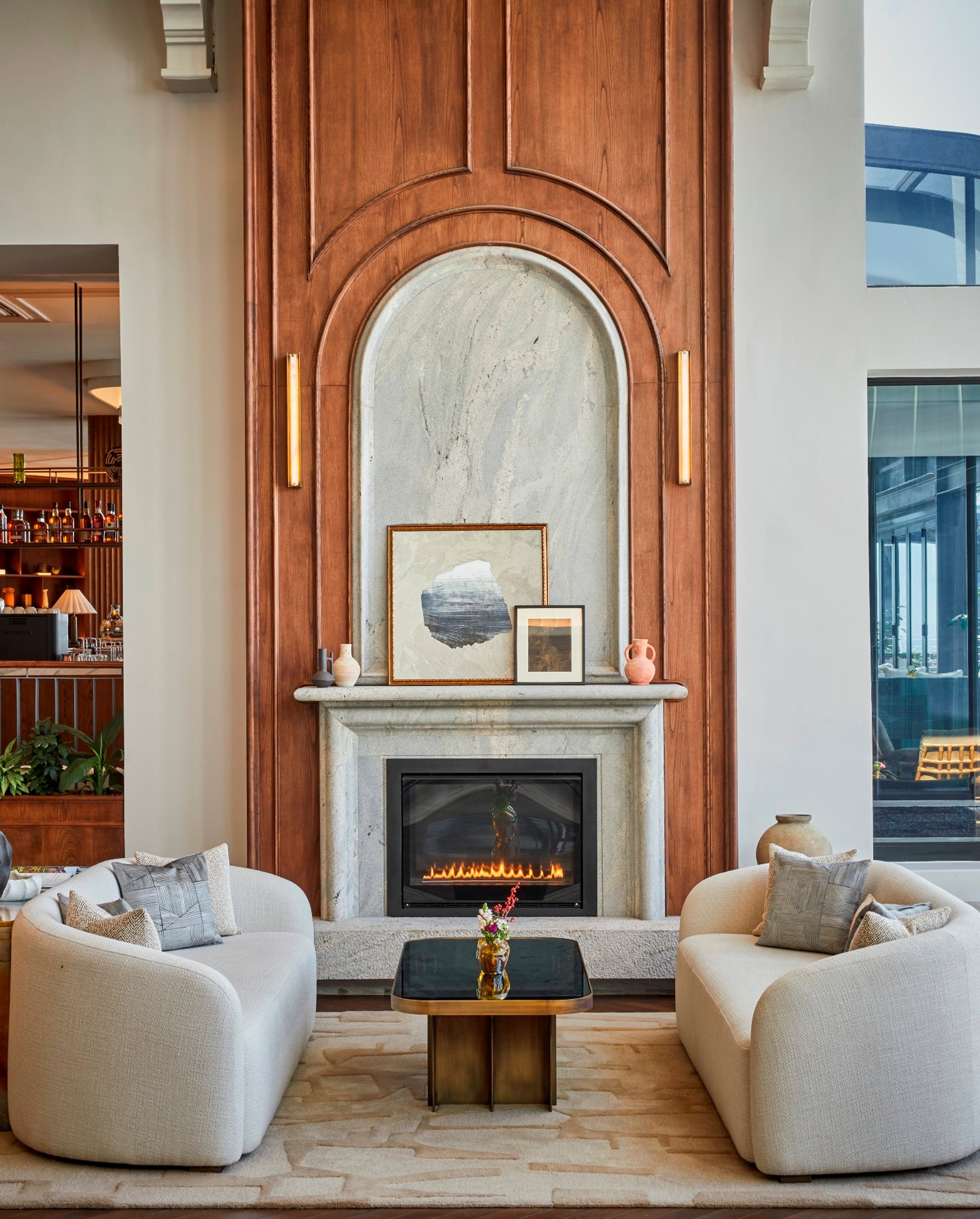
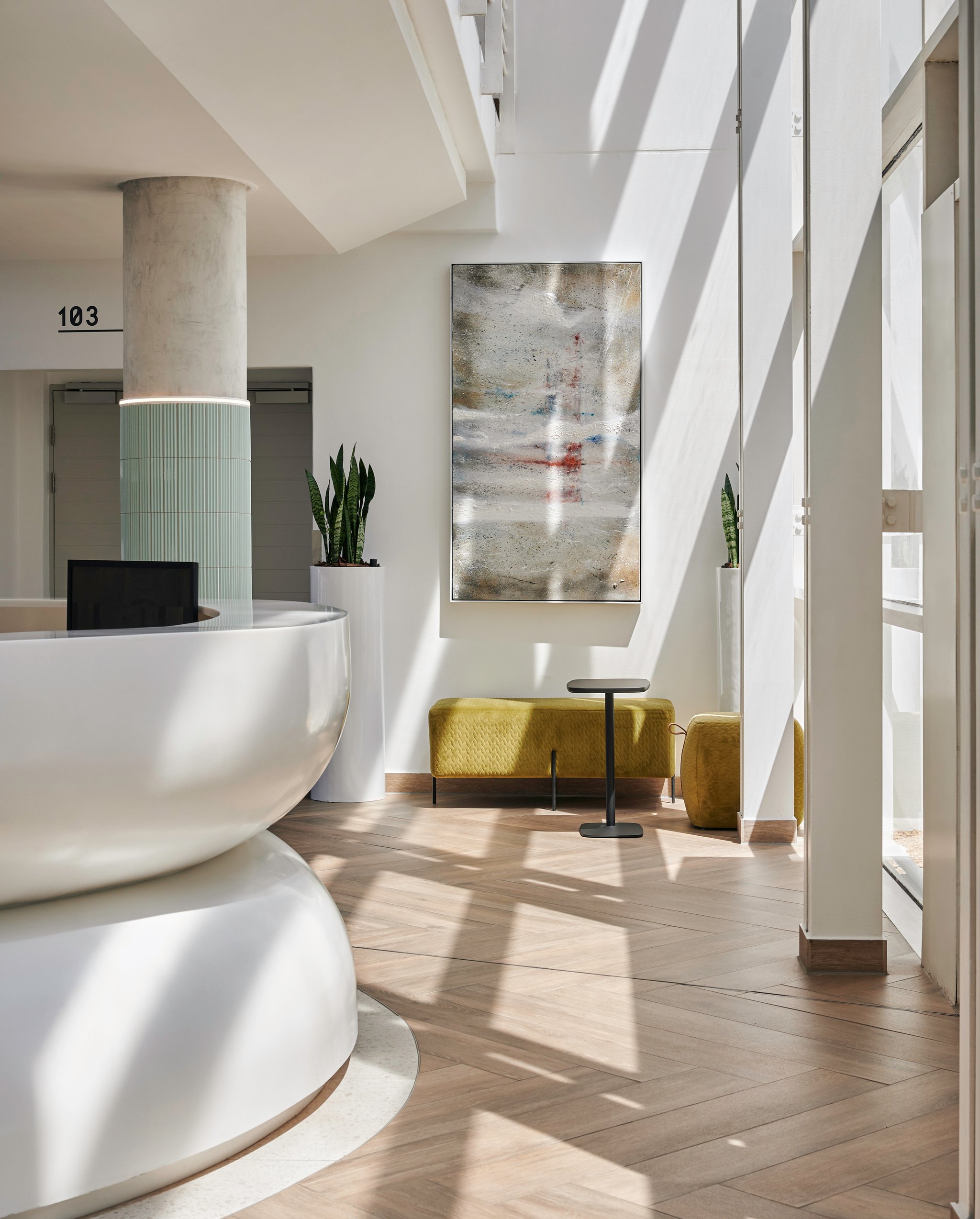
Hotels at the V&A Waterfront offer a unique experience inside a neighbourhood that has been alive for over 160 years.
From intimate boutique properties to five-star resorts, every hotel here sits within a working harbour, a creative economy, and a community where there’s always a reason to stay a little longer.
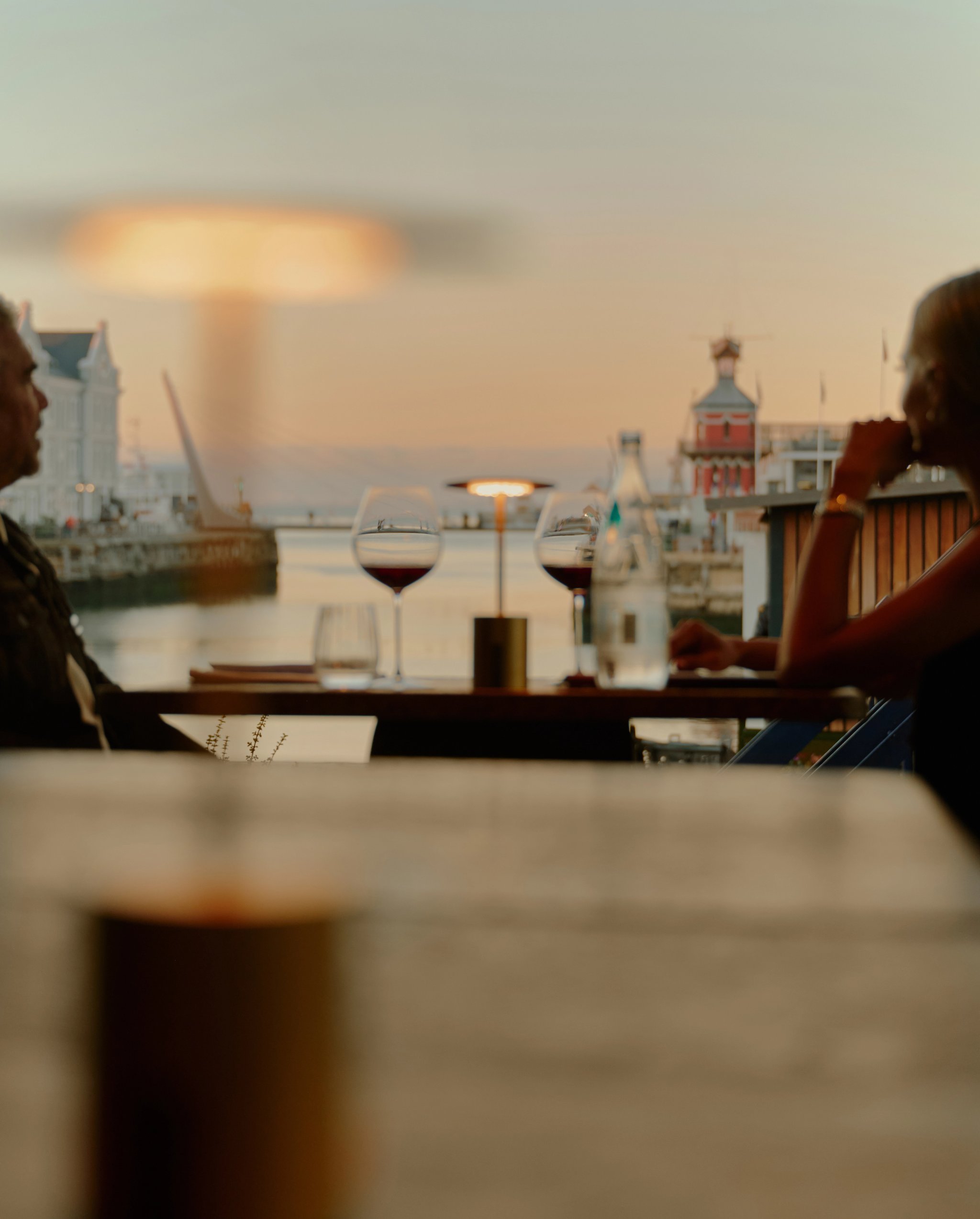
Wake up to the harbour and enjoy your favourite coffee spot as you experience the convenience of having everything within walking distance.
Living at the V&A Waterfront means living inside one of the most connected neighbourhoods in Africa, with everything that comes with it: security, convenience and a view that never gets old.
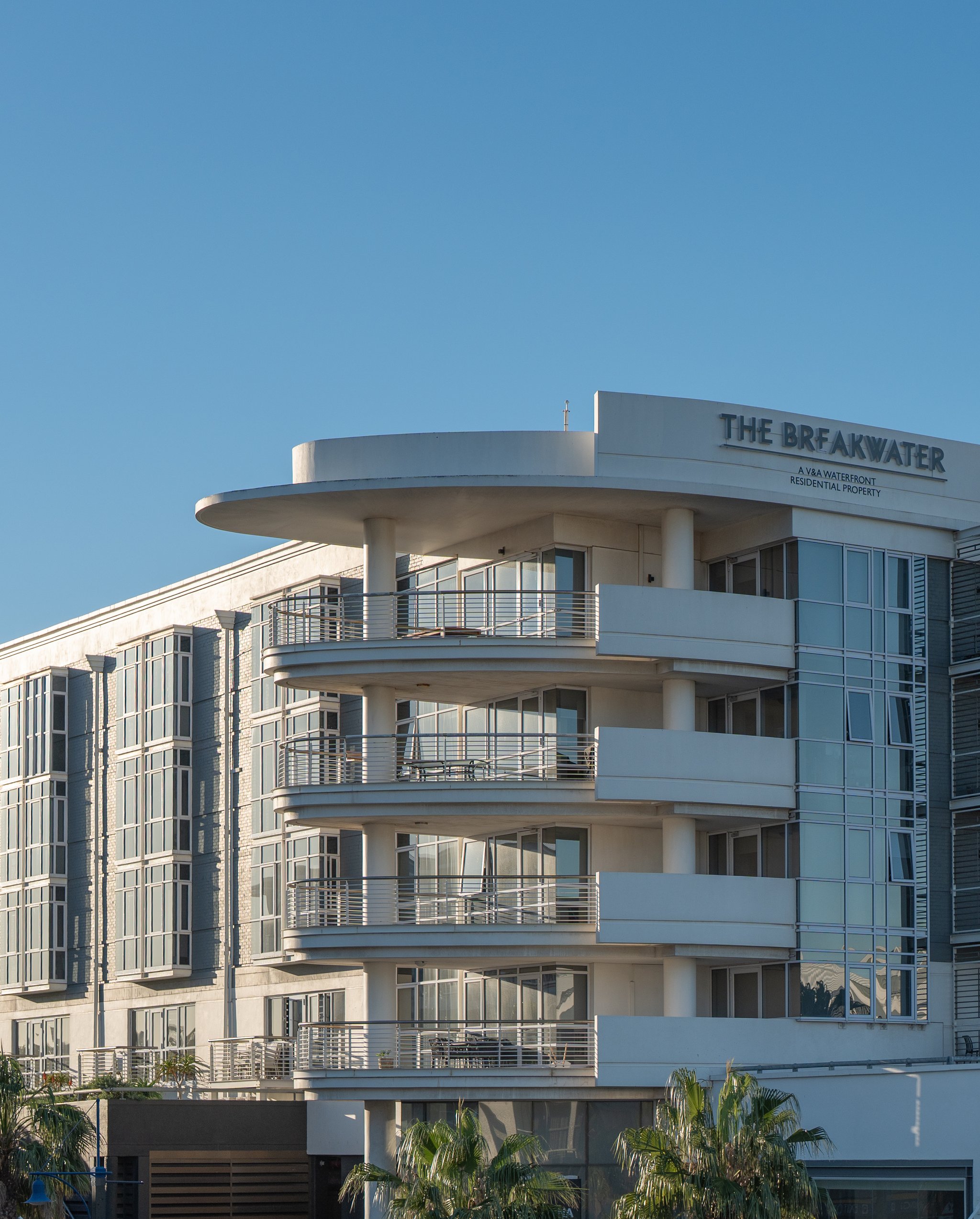
At the V&A Waterfront, people come together to work, visit, create and belong. More than a destination, it's a neighbourhood of opportunity, supporting 30,000 direct jobs and contributing R45.9 billion to the economy.
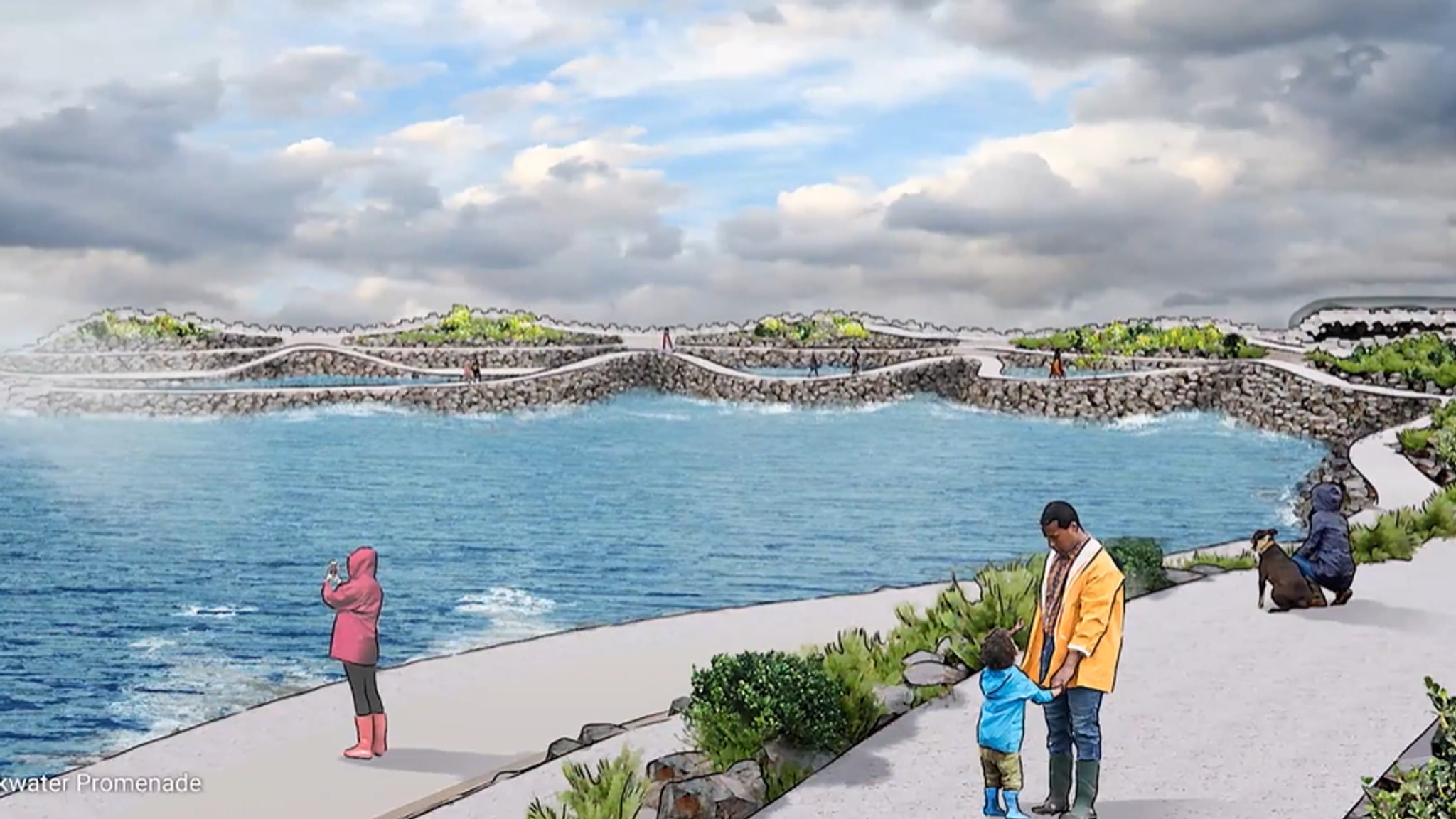
A new stretch of Cape Town’s Atlantic coastline is being opened up to the city. Over the next 15 to 20 years, this R20 billion-plus development will bring new homes, hotels, jobs, public space and a protected bay for swimming, kayaking and boating. A 540-metre seawall will help protect the coastline, while a new coastal walkway will connect the V&A directly to the Sea Point promenade.
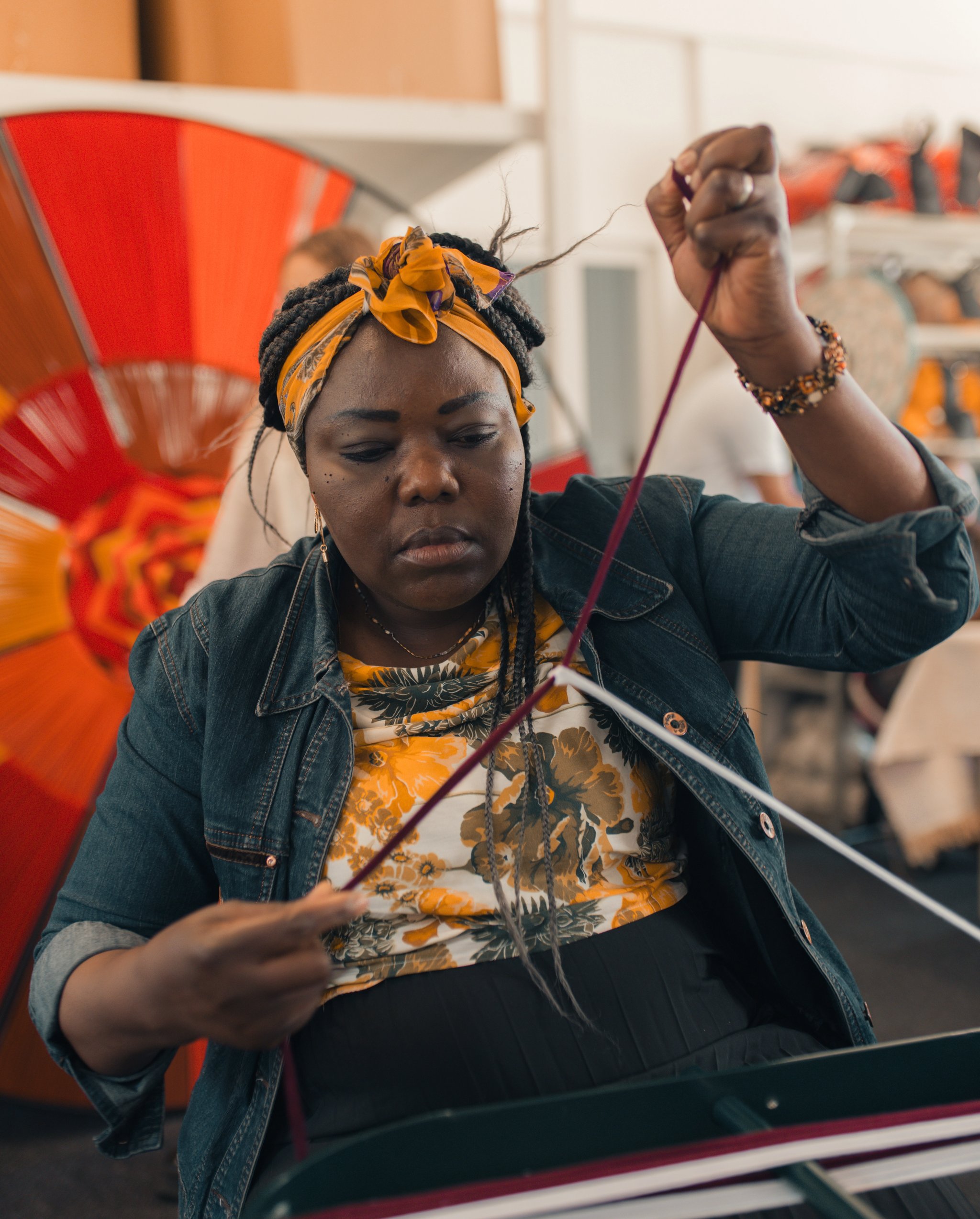
Everyone understands a basket – so there is an instant accessibility and connectivity no matter what culture or background you come from. They are everyday objects but they can soar to fine-art work. It is also an art form where you instantly relate to the person who made it – their individual fingerprints and expression are inherent to the piece. And there is way more to the craft than just basket-making: in the exhibition we show how the industry has adapted to contemporary markets across the globe. Most African basket-making has moved from traditional production to beautiful and useful homeware which allows many people, primarily rural women, to earn a decent income from their skills. Our basket-making is mostly exported so it’s also important for the wider audience to realise what an asset the craft of basket-making is throughout the continent.
On an immediate level, I would like that when people look at a basket or buy a basket they are aware that a human being made this for them and that they see how beautiful an artform African basket-making is. But I hope this opens a bigger dialogue on how we need to honour all our crafts and realise their value in telling our social stories and history. There were two pieces that I could not get for the exhibition. One is a very simple West African basket that marks the days it takes to make the basket in its design, but because of regional instability it is impossible to source. The other is a bench that is so extraordinary and innovative that it is in Paris being considered for a permanent collection for a museum. Both deserve to be seen here. The international museum world is abuzz with news about nations demanding their stolen treasures back and yet we are letting our own treasures slip away. We desperately need to start keeping our contemporary treasures for all to see.
I bought a tiny basket, three centimetres in diameter, that is exhibited in our miniature basket section, which was made by a Rwandan refugee living here in Cape Town. Rwandans are renowned basket-makers – we have several amazing baskets on display but this one moved me more than I can say. Its delicacy and humble size is admirable but it’s the fact that it is a tiny treasure that could easily get lost and forgotten in a big world that has connected me in some way to a woman who I have never met, or could comprehend what she must have gone through. It’s her vulnerability that is visible in her basket – a mighty tale in a small object.
And furniture and hats! To show how the skills in basket-making can be utilised across many industries. In jewellery, for instance, the tiniest basket in the world is made by Tintsaba in Eswatini for earrings. It also shows how our crafts can enter the fashion and luxury market. We are exhibiting some remarkable handbags from Khokho in Eswatini and AAKS in Ghana that are sold in New York and Paris and often can be seen in the likes of Vogue.
Oooh that is so difficult. You look closely at one and admire its ingenuity and craftsmanship and then you move on to the next and the same thing happens. I think though that one of the stand-out exhibits has to be the five phenomenal art baskets from Baba Tree in Ghana. Their artisans have really elevated the art of basket-making to another level.
Exhibition runs from 25 November to end 28 February 2022. Open daily, 10am – 7pm (exhibition shop closes 5pm).
www.joyfromafrica.co.za
#100BeautifulBaskets
We’d love to hear from you.
Whether you’re exploring a new career with us, interested in becoming a tenant or business partner, or just have a question, we’re here to help.