NewsPress Releases

V&A WATERFRONT AIMS TO ADVANCE ITS SUSTAINABLE SEAFOOD JOURNEY WITH CAPE CATCH

10 July 20266 Min read

Curated species list, restaurant badging and education programme will take the V&A closer to its ambition of being South Africa’s leading destination for responsibly sourced seafood

KEY POINTS
• The V&A Waterfront’s Cape Catch, a curated list of locally sourced, sustainably certified seafood species, will give restaurants a practical tool for more responsible menu decisions, backed by a new badging system.
• To feature in the Cape Catch list, a species must meet two criteria: it must be WWF SASSI Green-listed and/or MSC or ASC certified; and it must originate from South African waters or local aquaculture operations.
• Consumer research among more than 1,000 V&A visitors found that 93% would consider sustainability when ordering seafood if sustainable choices were noted on the menu, and that 63% would switch to a sustainably harvested or farmed option. Sustainability ranked above price as a decision factor.
• The initiative aims to directly benefit small-scale fishing communities through partnerships including with Abalobi, the fisher-driven social enterprise connecting traditional fishers to formal markets through digital traceability.
• Cape Catch is part of the V&A Waterfront’s Sustainable Seafood Initiative 2023–2027. Its initial focus is staff training, the introduction of restaurant badging and consumer education, with a longer-term ambition to make the V&A South Africa’s flagship destination for local, socially responsible and environmentally sustainable seafood.

Thursday, 11 July 2026.
The V&A Waterfront is taking the next step towards a practical framework that will allow restaurants, suppliers and consumers to identify and enjoy sustainably sourced seafood at one of South Africa’s largest dining destinations.

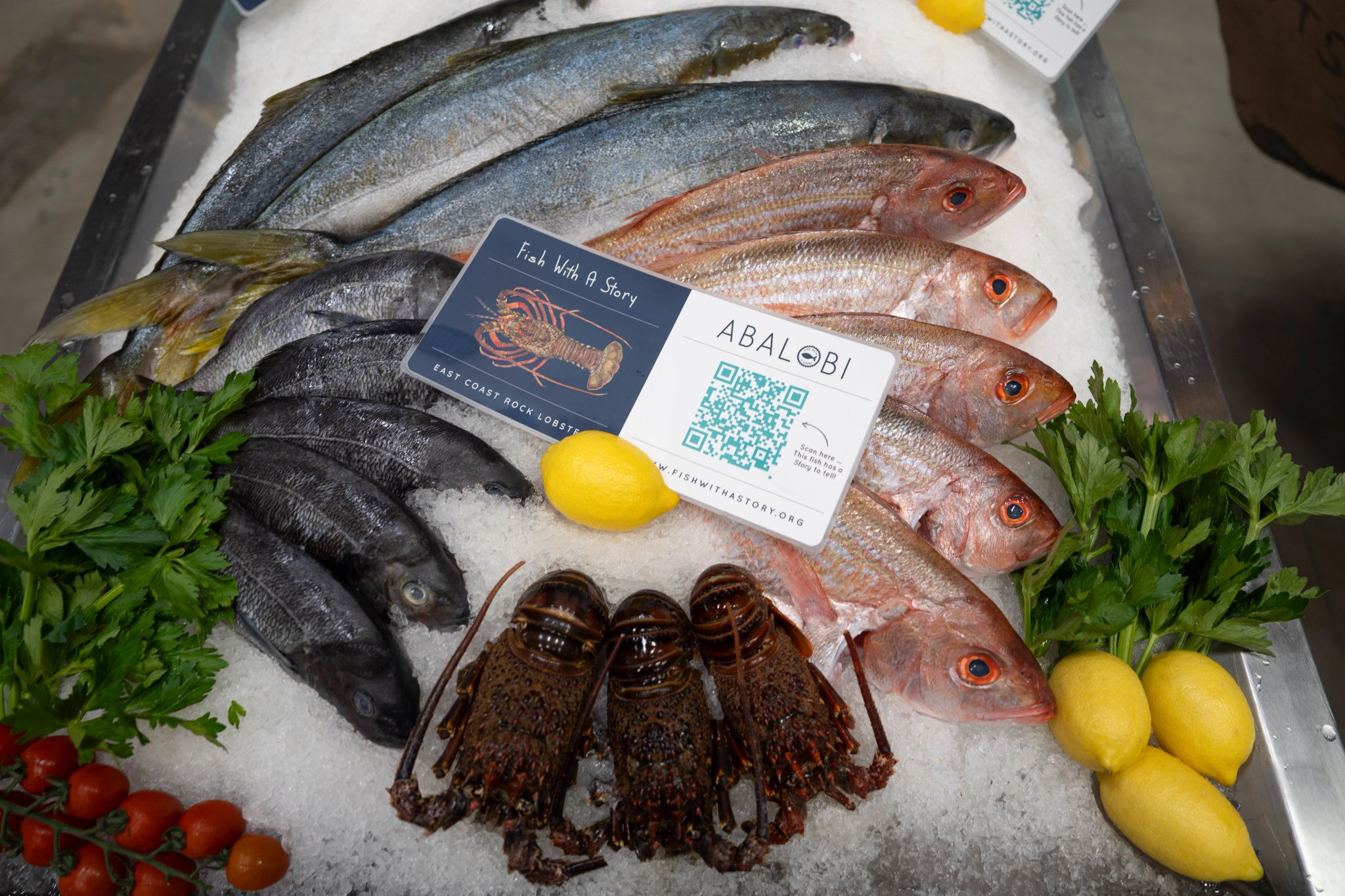
A selection of sustainable seafood options, including East Coast rock lobster, Cape bream, yellowtail and carpenter fish (Silvers).

That step is Cape Catch, a curated list of seafood species that meet two criteria:
• They must be Green-listed by WWF SASSI and/or certified by the Marine Stewardship Council (MSC) or the Aquaculture Stewardship Council (ASC).
• They must originate from South African waters or local aquaculture operations.

The initial list includes 15 fish and shellfish species, plus seaweeds, all selected because they are available in sufficient volume, at commercially viable prices, and are versatile enough to feature in a wide range of dishes and menus.

Restaurants that include at least three Cape Catch items on their menus will be able to apply to be part of the Cape Catch Restaurant Programme.

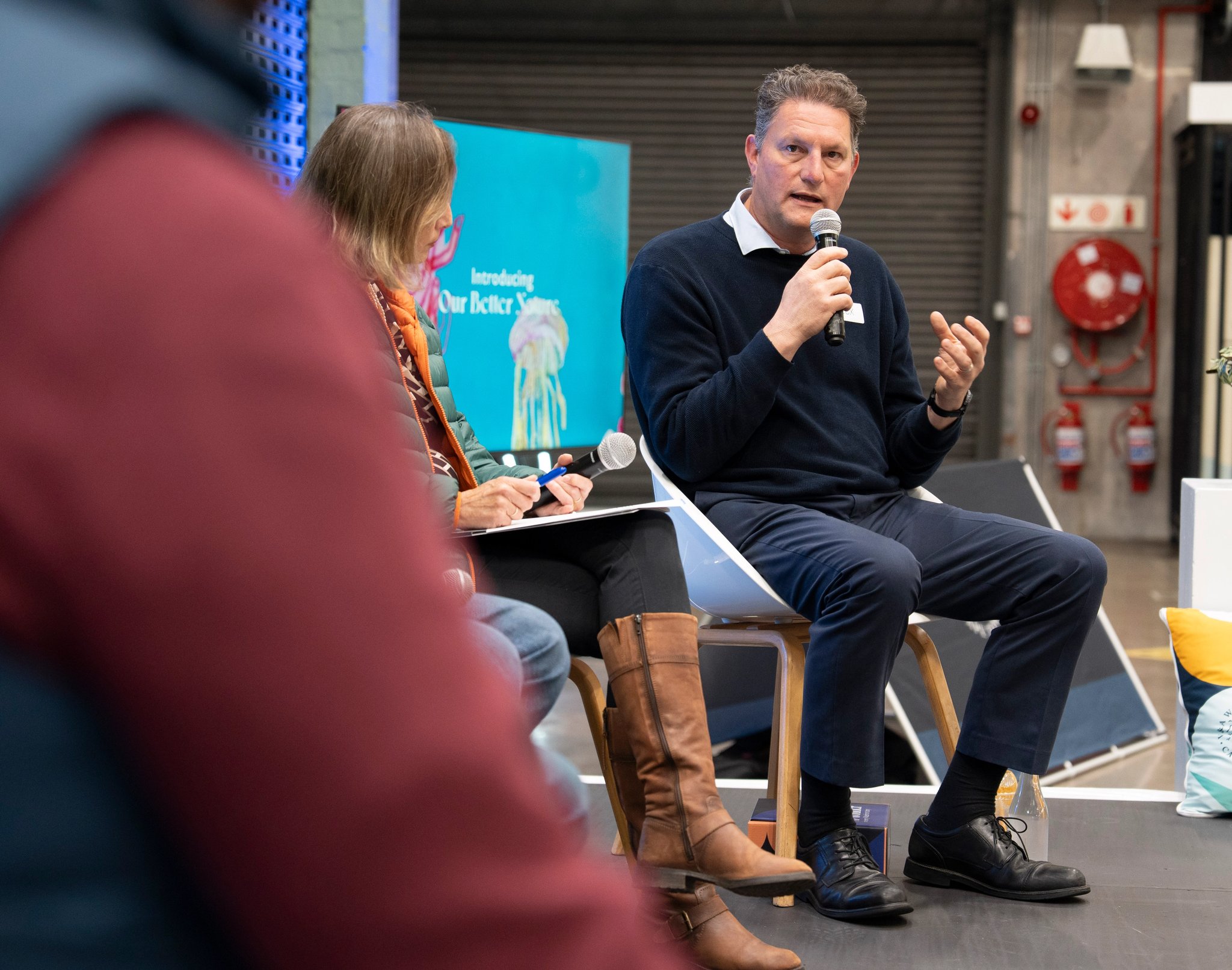
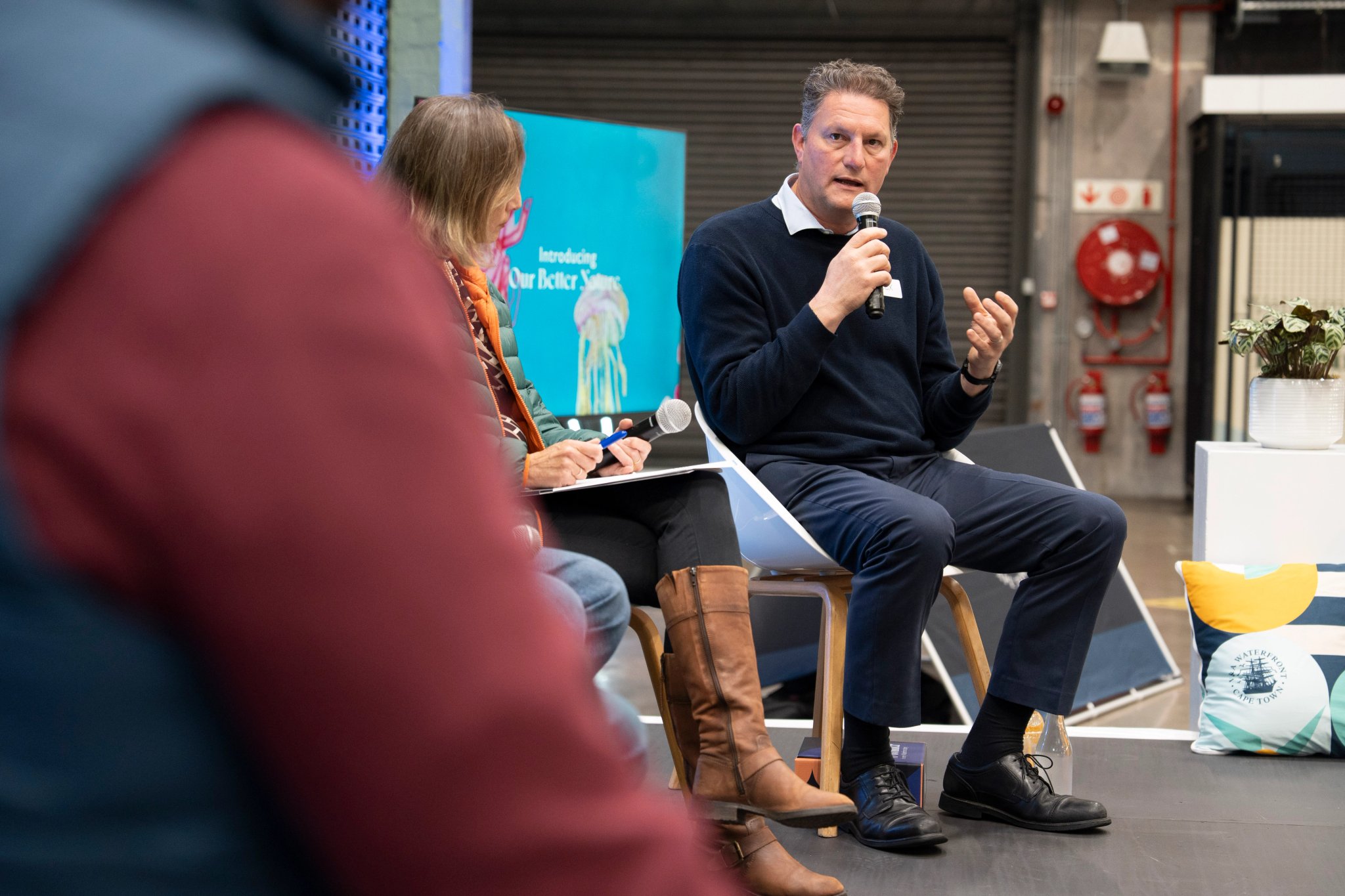
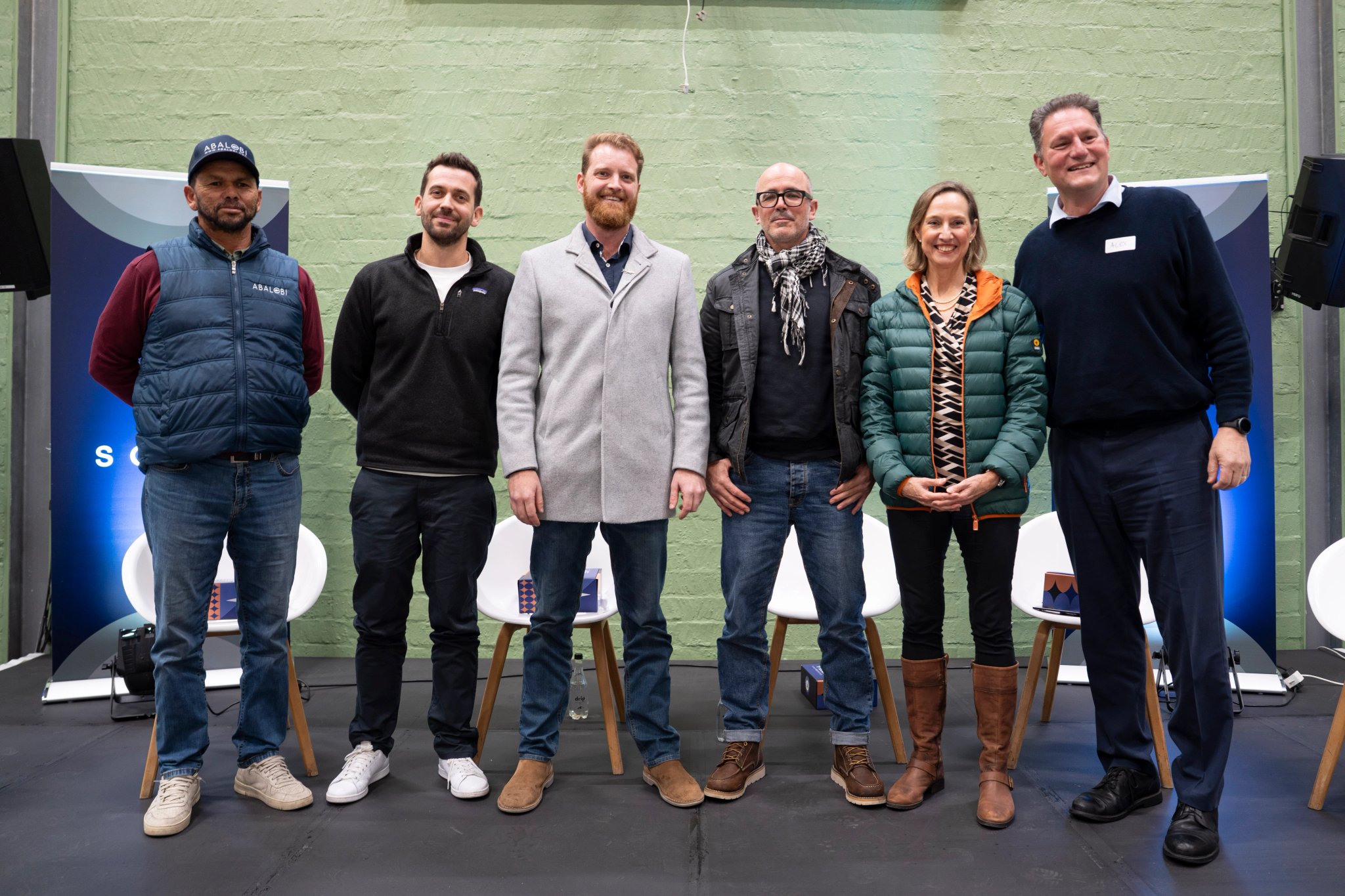
Alex Kabalin, Retail Executive at the V&A Waterfront, participating in the 2026 Sustainable Seafood Panel Discussion.

Alex Kabalin, Retail Executive at the V&A Waterfront, says the approach will shift the dining experience from one defined by what customers feel they should avoid to one defined by what they can be proud to order at one of the V&A’s 100-plus restaurants and food markets.

Sustainability trumps price

Cape Catch is part of the V&A Waterfront’s Sustainable Seafood Initiative 2023–2027, a programme developed through SOLVE, the Waterfront’s urban innovation platform.

Over four years of research, SOLVE surveyed more than 1,000 V&A visitors, analysed menus across the neighbourhood, and engaged chefs, suppliers, fishing communities and sustainability organisations to understand the barriers to responsible sourcing.

The findings are both encouraging and sobering. On the demand side, 93% of diners said they would consider sustainability when ordering seafood if sustainable choices were clearly identified on menus, and 63% said they would actively switch to a sustainably harvested or farmed option. Surveyed diners also ranked sustainability above price when making seafood choices.

On the supply side, analysis showed that most seafood sold at Waterfront restaurants is imported and not from sustainable sources, even though local, sustainable alternatives are commercially available.


“Our role is to help tenants and partners confront the barriers to responsible seafood sourcing and work together on practical solutions that are visible, credible and commercially realistic,” says Kabalin.


“Restaurants face real challenges around availability, traceability, imported seafood, supplier transparency, pricing and customer demand. Cape Catch is designed to acknowledge those realities while helping tenants take practical next steps.”


The Cape Catch framework recognises that restaurants are at different stages of their sustainability journey. A structured participation pathway will guide them through a menu audit, sourcing conversations with suppliers, badging Cape Catch items, training front-of-house staff, and tracking sales volumes over time.


The V&A Waterfront will provide training for restaurant teams and support businesses in verifying that items described as Cape Catch meet the programme’s criteria.

Panellists at the Sustainable Seafood Discussion included Hahn Goliath, Fisherman and Community Activist at ABALOBI; Ryan Cole, award-winning chef and owner of COY; Kurt Hill, Director & Partner at Cape Fish; Marco Coelho, Global Head of Supply Chain and Procurement at Ocean Basket; Dr Judy Mann-Lang, from the Two Oceans Aquarium Foundation; and Alex Kabalin, Retail Executive at the V&A Waterfront.

Supply chain support

A panel discussion before last weekend’s Sustainable Seafood festival at the V&A found that the initiative has backing across the supply chain.

Kurt Hill of Cape Fish, one of Cape Catch’s supplier partners, confirmed that supply is not the obstacle it is sometimes perceived to be. “There is the fishery volume and supply to meet the requirement from the right sources. We can trace each Cape Catch product from source to plate,” he said.

For Ocean Basket, whose involvement demonstrates that the framework will be viable for high-volume chain restaurants as well as independent operators, Cape Catch represents an extension of a sustainability journey already under way.

“It’s good business, and it’s not a choice any more. Build the systems, get in as quickly as you can, and be prepared to change as you learn,” said Marco Coelho, Global Head of Supply Chain & Procurement at Ocean Basket, which has 125 restaurants throughout South Africa.

A key dimension of Cape Catch will be its direct connection to small-scale fishing communities. Through its partnership with Abalobi, the initiative aims to create formal market access for traditional fishers whose catch meets Cape Catch criteria.

“This opportunity allows us to feel part of the bigger picture,” says Hahn Goliath of Abalobi. “There is dignity in the work. Cape Catch creates visibility for what traditional fishers do – how we fish, where we fish – in the interests of those who follow us.”

Oceans of potential

The ocean context driving Cape Catch is significant. South Africa’s waters contain more than 2,000 marine fish species, about 320 of which are found nowhere else, while 37.7% of fish stocks globally are already overfished.

Up to 60% of the fish caught in South Africa are exported, while significant volumes are simultaneously imported from fisheries with limited local visibility into sourcing methods. Bycatch – the unintended capture of sharks, rays, seabirds, turtles and other marine life – remains a systemic challenge.

But Kabalin says nearly every restaurant at the V&A already has one or two Cape Catch items on its menu. “The goal is to grow the number of Cape Catch items and, over time, reduce the unsustainable options. This is not our biggest step, but it is our first step.”

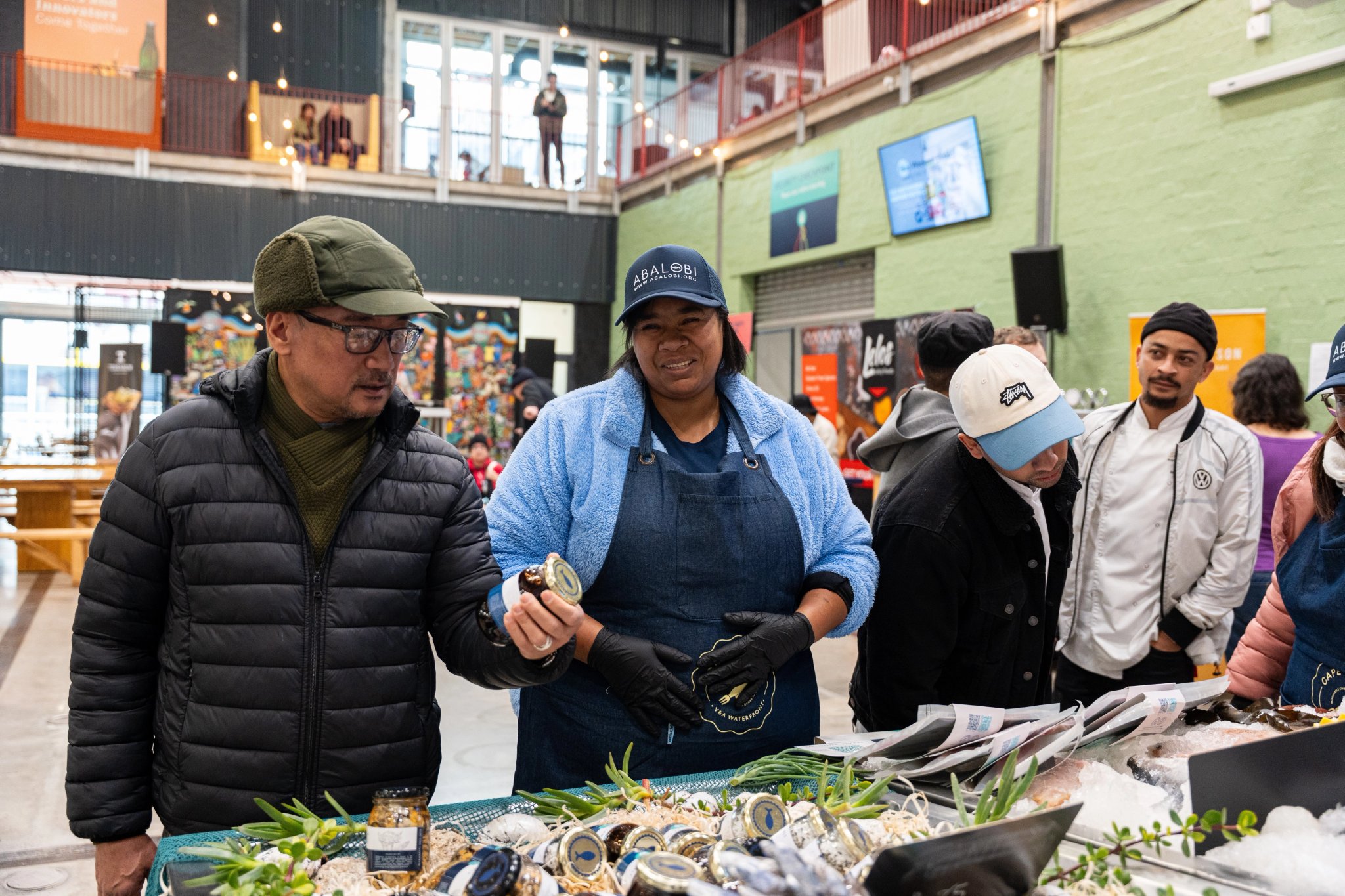
Visitors to the Sustainable Seafood Festival at Makers Landing explored the Fresh Fish Market, where they learned about and purchased sustainable seafood alternatives.

The longer-term ambition is to make the V&A Waterfront South Africa’s flagship destination for local, socially responsible and environmentally sustainable seafood – and to demonstrate a model that will be scalable across the restaurant and tourism industries.

Cape Catch forms part of the V&A Waterfront’s broader shared-value strategy, which connects commercial performance with local economic benefit – the same philosophy underpinning the V&A Academy employment pathway and the precinct’s support for more than 430 small and medium enterprises.

Other articles

View all news

Get in touch

We’d love to hear from you.